
Introduction
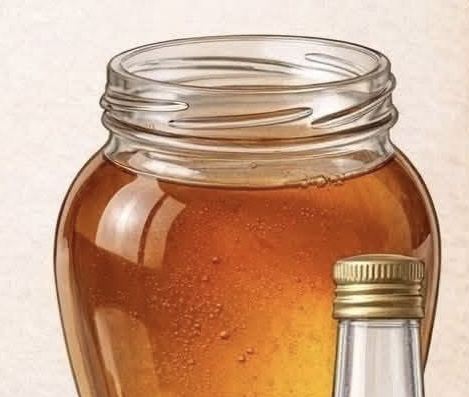
Garlic, honey, and apple cider vinegar are three popular ingredients in traditional home kitchens and wellness recipes. Combined together, they create a bold, sweet-and-tangy mixture with a warming garlic flavor.
This simple preparation can be enjoyed in small amounts as a flavorful food mixture or diluted into warm water for a comforting drink. It is especially appealing during colder weather and makes an interesting addition to a homemade wellness routine.
However, this mixture should not be presented as a cure for migraines, arthritis, impotence, chronic fatigue, infections, or other medical conditions. It is a food preparation, not a medical treatment.
Recipe Overview
| Category | Details |
| Recipe Name | Garlic, Honey & Apple Cider Vinegar Tonic |
| Prep Time | 10 minutes |
| Infusion Time | 30–60 minutes |
| Total Time | About 1 hour |
| Servings | About 12 small servings |
| Difficulty | Easy |
| Flavor | Sweet, tangy, pungent, warming |
| Best Served | Fresh or refrigerated |
| Storage | Refrigerate |
Why You’ll Love This Recipe
This homemade garlic and honey mixture combines strong savory garlic with naturally sweet honey and tangy apple cider vinegar. The contrasting flavors create a surprisingly versatile preparation.
It requires only three primary ingredients and can be prepared in a small jar without complicated equipment. You can use it as a small food serving, dilute it with warm water, or incorporate it into savory recipes.
Because it is prepared fresh and refrigerated rather than treated as a shelf-stable preserved product, it is also a more appropriate approach for a simple home recipe.
Ingredients
Main Ingredients
| Ingredient | Amount | Notes |
| Fresh garlic | 1 whole head | Peeled |
| Honey | 1 cup | Use pasteurized honey if preferred |
| Apple cider vinegar | 3 tablespoons | Prefer vinegar labeled 5% acidity |
| Warm water | ½–1 cup | Optional, for serving |
Optional Additions
| Ingredient | Amount | Purpose |
| Fresh lemon juice | 1 teaspoon | Adds brightness |
| Fresh ginger | 1–2 thin slices | Adds warming spice |
| Ground cinnamon | Small pinch | Adds sweetness and warmth |
Step-by-Step Instructions
1. Prepare the Garlic
Separate the garlic cloves from the head and peel them carefully.
Lightly crush each clove with the flat side of a chef’s knife. Do not puree the garlic; lightly crushing it is enough to release its strong aroma and flavor.
2. Prepare the Jar
Wash the jar, lid, utensils, and work surface thoroughly before preparing the mixture.
Place the prepared garlic into a clean food-safe glass jar.
3. Add the Honey
Pour the honey over the garlic.
Use a clean spoon to gently stir so the honey coats the cloves.
4. Add the Vinegar
Add the apple cider vinegar and stir everything together.
For food-preservation purposes, use vinegar with a clearly stated acidity rather than homemade or vinegar of unknown strength. The acidity of an acidified food is important for controlling microbial growth. (Penn State Extension)
5. Let the Flavors Combine
Cover the jar and allow the mixture to stand in the refrigerator for approximately 30–60 minutes.
This short resting period gives the garlic time to begin infusing the honey and vinegar.
6. Stir
Open the jar and stir gently with a clean utensil.
The honey will gradually become thinner as it combines with the vinegar and garlic juices.
7. Serve
For a simple serving, use a small amount of the mixture as a flavorful food preparation.
You can also dilute approximately 1 teaspoon in a cup of warm water and add a little fresh lemon juice if desired.
Best Tips
Use fresh, firm garlic cloves without soft spots, mold, or visible damage.
Choose a clean glass jar with a secure lid. Good kitchen hygiene is especially important when working with fresh garlic and homemade mixtures.
Do not assume that adding a few tablespoons of vinegar automatically makes a homemade garlic preparation shelf-stable. Safe preservation depends on the final acidity and the exact ingredient proportions and processing method. Tested preservation recipes should be followed exactly when long-term storage is intended. (Penn State Extension)
Keep this preparation refrigerated rather than storing it in a cupboard for several weeks.
Best Ingredient Options
Garlic
Fresh garlic gives the strongest flavor. Choose firm cloves with clean, dry skins and no signs of spoilage.
Honey
Mild honey works particularly well because it allows the garlic and vinegar flavors to remain noticeable. Floral honey can provide a more pronounced character.
Apple Cider Vinegar
Choose a commercially produced apple cider vinegar with clearly labeled acidity. Vinegar of unknown acidity should not be used for home food preservation. (Penn State Extension)
Lemon
Fresh lemon juice provides acidity and a bright citrus note, but it should be treated as a flavor ingredient here rather than as a substitute for a tested preservation process.
Recipe Variations
Garlic Honey Lemon Mixture
Add a small amount of fresh lemon juice when serving for a bright, citrusy flavor.
Garlic Ginger Honey
Add a couple of thin slices of fresh ginger for a warmer and more aromatic variation.
Spiced Garlic Honey
Add a tiny pinch of cinnamon for a sweet, warming flavor combination.
Garlic Honey Dressing
Whisk a small amount of the mixture with olive oil and additional vinegar to create a bold homemade salad dressing.
Marinade
Use a small amount as part of a marinade for roasted vegetables, chicken, or other savory dishes.
How to Serve
For a drink, dilute a small amount in warm—not boiling—water.
It can also be used as a flavoring ingredient in salad dressings, marinades, roasted vegetables, sauces, and savory dishes.
The strong garlic flavor means that a little goes a long way.
Make-Ahead Instructions
This recipe is best prepared in small batches.
Rather than making a large jar intended to sit for several weeks at room temperature, prepare a smaller quantity and refrigerate it promptly.
If you want a longer-lasting preserved product, use a scientifically tested preservation recipe with validated ingredient proportions and processing instructions.
Storage
Keep the prepared mixture refrigerated in a clean, covered container.
Do not treat this homemade recipe as a shelf-stable canned or preserved product.
Because the exact safety of an improvised acidified garlic mixture cannot be determined simply from its ingredient list, discard it if you have concerns about its handling, storage, or condition.
Food-safety guidance stresses that homemade preserved foods should use tested recipes and that acidity should not be guessed or altered. (Penn State Extension)
Reheating
There is no need to reheat the mixture itself.
If you are using it in a warm drink, add a small amount to warm water immediately before serving.
Avoid using boiling water if you want to preserve the fresh flavor of the honey and vinegar.
Freezing
Freezing is not necessary for this recipe.
For best quality, prepare a small batch and refrigerate it rather than attempting long-term room-temperature storage.
Common Mistakes to Avoid
Leaving the mixture at room temperature for weeks: Do not assume that honey and vinegar automatically make raw garlic safe for extended room-temperature storage.
Changing the vinegar quantity in a preservation recipe: Altering the acid-to-ingredient ratio can affect food safety. Tested preservation recipes should be followed exactly. (Penn State Extension)
Using vinegar of unknown acidity: Commercial vinegar with clearly labeled acidity is preferable when acidity is part of a food-safety process. (Penn State Extension)
Using spoiled garlic: Discard garlic with mold, significant softness, or other obvious spoilage.
Making medical promises: This mixture should not be advertised as a cure for migraines, arthritis, erectile dysfunction, chronic fatigue, infections, or other diseases.
Giving it to infants: Honey should not be given to children younger than 12 months because of the risk of infant botulism. (Penn State Extension)
Nutrition Estimate
Approximate values vary according to the amount of honey consumed per serving.
| Nutrient | Approximate Amount |
| Calories | 20–65 kcal |
| Carbohydrates | 5–17 g |
| Protein | <1 g |
| Fat | 0 g |
| Fiber | <1 g |
| Sugar | 5–16 g |
| Sodium | <5 mg |
Frequently Asked Questions
What is garlic, honey, and apple cider vinegar used for?
It is commonly prepared as a traditional food or wellness mixture. The ingredients provide strong flavor and can be incorporated into drinks, dressings, marinades, and other foods.
It should not be described as a proven treatment for specific diseases.
Can I take it every morning?
There is no need to consume it as a mandatory daily treatment. If you enjoy the flavor, it can be used occasionally as part of a varied diet.
People taking medications or managing a medical condition should ask a healthcare professional before regularly consuming concentrated amounts of garlic or other supplements/remedies.
Can this mixture cure arthritis?
No. There is no basis for presenting this recipe as a cure for arthritis or joint disease.
Persistent joint pain should be evaluated appropriately rather than treated exclusively with a homemade remedy.
Can it cure migraines?
No. This recipe should not be marketed as a migraine cure. Recurring or severe headaches require appropriate medical evaluation.
Does it help with chronic fatigue?
It should not be promoted as a treatment for chronic fatigue or unexplained tiredness. Persistent fatigue can have many possible causes and may require medical assessment.
Can I leave it in a cupboard for 3–4 weeks?
For this homemade recipe, no. This version is designed for fresh preparation and refrigeration rather than long-term room-temperature storage.
Can I use raw honey?
Yes, provided it is appropriate for your intended use. Remember that honey must never be given to infants under 12 months. (Penn State Extension)
Can I use this in cooking?
Absolutely. A small amount can add a sweet, tangy, garlicky flavor to dressings, marinades, roasted vegetables, and sauces.
Conclusion
Garlic, honey, and apple cider vinegar make a bold and flavorful combination that has long appealed to people interested in traditional foods and homemade wellness recipes.
This fresh, refrigerated version lets you enjoy those ingredients without making unsupported claims about curing medical conditions or treating serious illnesses. Use it as a flavorful food preparation, warm drink addition, dressing ingredient, or marinade—and enjoy its distinctive sweet, tangy, and savory character.
⚠️ This recipe may not be suitable for everyone, so it is advisable to consult a doctor.