
Introduction
Looking for a simple homemade skincare treatment using ingredients you may already have at home?
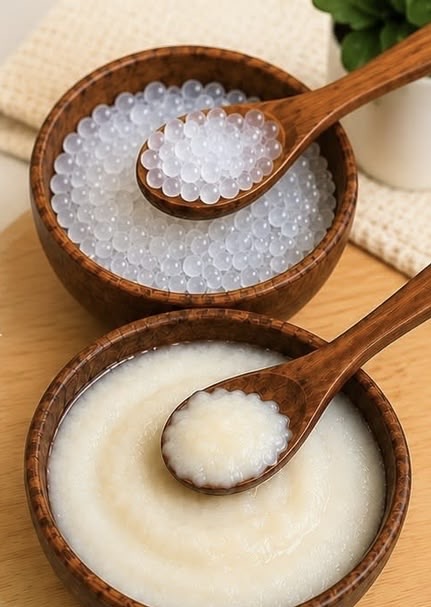
This creamy tapioca and milk facial paste creates a soft, soothing mask that can leave the skin feeling temporarily smoother, softer, and moisturized.
The preparation is simple and requires only a few basic ingredients.
While no homemade mask can realistically guarantee wrinkle-free skin or permanently create a “glass skin” appearance, a gentle moisturizing routine can help improve the way your skin looks and feels.
This affordable DIY skincare idea is best used as an occasional pampering treatment rather than a replacement for proven skincare products.
Recipe Overview
| Category | Details |
| Prep Time | 5 minutes |
| Cook Time | 10 minutes |
| Cooling Time | 20–30 minutes |
| Total Time | Approximately 35–45 minutes |
| Yield | 1–2 facial applications |
| Course | DIY Skincare |
| Skin Type | Most skin types, with precautions |
| Difficulty | Easy |
Why You’ll Love This Recipe
This homemade facial paste has a smooth, creamy consistency that feels comfortable when applied to clean skin.
The cooked tapioca creates a soft gel-like texture that can make the mask pleasant and easy to spread.
Milk also contains moisturizing components, although the benefits of a homemade milk mask should not be confused with professional skincare treatments.
It is an inexpensive way to enjoy a relaxing self-care routine without buying complicated beauty products.
The recipe takes only a few minutes of active preparation.
Ingredients
| Ingredient | Quantity | Notes |
| Small tapioca pearls or sago | 3 tbsp | Plain and unflavored |
| Pasteurized whole milk | ½ cup | Fresh and refrigerated |
| Distilled or clean drinking water | 1 cup | For cooking |
Step-by-Step Instructions
Cook the Tapioca
Pour the water into a small saucepan.
Bring it to a gentle boil over medium-high heat.
Add the tapioca pearls and reduce the heat to low.
Simmer for approximately 8–10 minutes, stirring occasionally.
Continue cooking until the pearls become soft and mostly translucent.
Drain the Tapioca
Remove the saucepan from the heat.
Carefully drain the excess water.
Allow the cooked tapioca to cool for a few minutes.
Avoid handling the mixture while it is hot because it can cause burns.
Add the Milk
Return the cooked tapioca to the saucepan.
Add the pasteurized milk.
Warm the mixture over low heat for approximately 2–3 minutes.
Do not allow the milk to boil aggressively.
The goal is simply to warm the mixture and create a soft, creamy consistency.
Blend the Mixture
Transfer the mixture to a blender or use an immersion blender.
Blend until the tapioca becomes as smooth as possible.
If the mixture is too thick, add a small amount of milk.
Allow the finished paste to cool completely before applying it to your face.
Apply the Facial Mask
Start with clean, dry skin.
Apply a thin, even layer of the cooled paste.
Avoid the eyes, lips, nostrils, and any areas with cuts, irritation, or broken skin.
Leave the mask on for approximately 10–15 minutes.
Do not allow it to become extremely dry and difficult to remove.
Rinse Gently
Use lukewarm water to gently rinse the mask away.
Do not scrub the skin.
Pat your face dry with a clean, soft towel.
Follow with your usual fragrance-free moisturizer.
During the daytime, finish with broad-spectrum sunscreen.
Best Tips
Always allow the mixture to cool completely before applying it to your face.
A warm mixture may feel comfortable on the hands but can be too hot for sensitive facial skin.
Make a small batch rather than preparing a large quantity.
Fresh homemade skincare products containing dairy do not contain the preservatives used in commercial cosmetics.
Avoid aggressive rubbing when removing the mask.
Gentle cleansing is enough to remove the softened tapioca.
Before using the mask on your entire face, perform a small patch test.
Stop using it if you experience burning, significant redness, swelling, itching, or other irritation.
Best Ingredient Options
Use pasteurized whole milk rather than unpasteurized milk for this type of homemade cosmetic preparation.
Choose plain tapioca pearls without added flavorings, colors, or sweeteners.
Fresh ingredients are preferable because this is a preservative-free homemade preparation.
If you have very sensitive skin, you may prefer a fragrance-free commercial moisturizer instead of experimenting with multiple DIY ingredients.
Recipe Variations
For a simpler version, prepare the tapioca with water and blend it into a smooth gel without adding milk.
For additional moisturizing, you can apply your normal moisturizer after rinsing the mask rather than adding extra ingredients to the homemade mixture.
If you want to experiment with honey or aloe vera, introduce only one new ingredient at a time and patch-test first.
Avoid adding lemon juice, baking soda, essential oils, or harsh exfoliating ingredients to facial DIY recipes.
These ingredients can irritate the skin and may compromise the skin barrier.
What to Use After the Mask
This facial mask works best as one small part of a simple skincare routine.
After rinsing, gently pat the skin dry.
Apply a fragrance-free moisturizer while the skin still feels slightly hydrated.
If using the mask during the daytime, apply a broad-spectrum sunscreen afterward.
A simple routine is often more useful than using numerous products at once.
Make-Ahead Instructions
For the best hygiene, prepare this mask immediately before use.
If you need to save time, the tapioca can be cooked shortly beforehand and allowed to cool.
However, avoid preparing a large batch for several days of facial applications.
Homemade dairy-containing products are not preserved like commercial skincare products.
Storage
The safest approach is to make only the amount you plan to use.
Do not leave the prepared milk-and-tapioca mixture at room temperature for extended periods.
Because it contains dairy and has no cosmetic preservatives, bacterial contamination can occur.
Discard any leftover mixture rather than relying on smell or appearance to determine whether it is safe.
Reheating
Do not reheat a portion that has already been applied to the skin.
If the mixture was freshly prepared and is still warm, simply allow it to cool naturally before application.
There is no need to microwave the facial paste.
Heating homemade skincare unevenly can create hot spots that may burn the skin.
Freezing
Freezing homemade dairy-based facial paste is not recommended.
Freezing and thawing can change the texture and may affect the quality of the mixture.
For a fresh and consistent application, prepare a small amount whenever you want to use the mask.
Common Mistakes to Avoid
Do not apply the paste while it is hot.
Always check the temperature before putting it on your face.
Do not scrub aggressively when removing the mask.
Facial skin can become irritated when exposed to excessive friction.
Do not use unpasteurized milk.
Pasteurized milk is the safer choice for a homemade topical preparation.
Avoid adding irritating ingredients such as lemon juice, baking soda, or undiluted essential oils.
Do not keep a homemade dairy mask for several days and assume refrigeration makes it completely safe.
Finally, do not expect a DIY mask to permanently remove wrinkles or transform the skin overnight.
The most reliable foundation for healthy-looking skin remains gentle cleansing, appropriate moisturizing, sun protection, and evidence-based skincare.
Nutrition Estimate
Because this recipe is intended for topical use rather than consumption, nutritional values are not applicable.
| Category | Information |
| Intended Use | Topical facial mask |
| Calories Consumed | Not applicable |
| Serving Method | External use only |
Frequently Asked Questions
Can this mask remove wrinkles?
No homemade facial mask can reliably remove wrinkles.
The mixture may temporarily make skin feel softer and more hydrated, which can make fine lines appear less noticeable for a short period.
For persistent wrinkles, evidence-based skincare and professional dermatological advice are more appropriate.
Can it give me permanent glass skin?
No.
“Glass skin” is a beauty term describing a particularly smooth, hydrated, luminous appearance.
A homemade mask may temporarily improve how hydrated the skin looks, but it cannot permanently change your skin texture.
How often can I use this mask?
If your skin tolerates it well, occasional use is reasonable.
Start with once a week rather than immediately using it several times per week.
If irritation occurs, discontinue use.
Can I use this on sensitive skin?
Sensitive skin can react differently to homemade ingredients.
Perform a patch test first and avoid applying the mask to irritated, damaged, sunburned, or recently exfoliated skin.
Can I use oat milk instead of dairy milk?
Yes, although the resulting texture and properties will be different.
Choose an unsweetened, plain oat milk without added fragrance or flavor.
Should I add honey?
It is not necessary.
Keeping the formula simple reduces the number of ingredients that could potentially cause irritation.
If you choose to experiment with an additional ingredient, patch-test first.
Can I use this around my eyes?
No.
Keep the mixture away from the immediate eye area.
The skin around the eyes is particularly delicate, and homemade mixtures can cause irritation if they enter the eyes.
Can this replace my moisturizer?
No.
This mask is an occasional skincare treatment rather than a replacement for a properly formulated moisturizer.
Use your normal moisturizer after rinsing the mask.
Should I use sunscreen after the mask?
If you use the mask during the day, yes.
A broad-spectrum sunscreen is an important part of protecting skin from ultraviolet radiation and premature photoaging.
Final Thoughts
This simple tapioca milk facial paste is an inexpensive way to enjoy a relaxing homemade skincare ritual.
Its smooth texture can leave the skin feeling temporarily soft and moisturized without requiring a complicated beauty routine.
However, it is important to keep expectations realistic.
DIY skincare cannot guarantee wrinkle removal, permanent glass skin, or dramatic anti-aging results.
For the safest approach, use pasteurized ingredients, prepare a small fresh batch, patch-test before use, avoid irritated skin, and follow the mask with a gentle moisturizer.
For long-term skin care, simple habits such as daily sun protection and consistent use of well-formulated skincare products are more dependable than miracle beauty recipes.
⚠️ This recipe may not be suitable for everyone, so it is advisable to consult a doctor.