
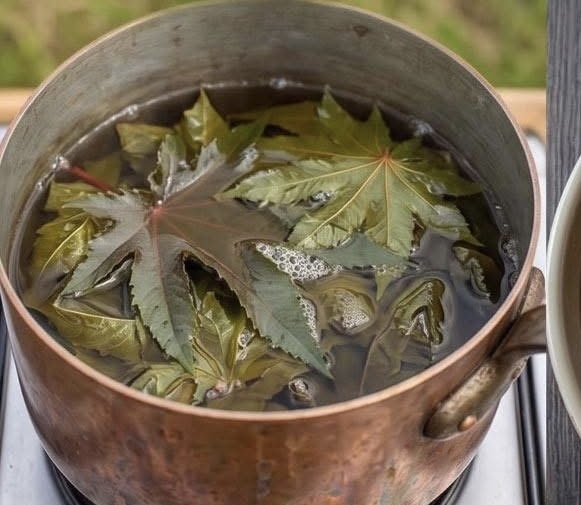
Introduction
A warm herbal foot soak is a simple and relaxing way to create a calming self-care ritual at home. Combining warm water with Epsom salt, chamomile, and lavender creates a pleasant aromatic experience that can help you unwind after a busy day.
This gentle foot bath is easy to prepare, requires only a few ingredients, and can become a comforting addition to your evening routine.
Recipe Overview
| Feature | Detail |
| Prep Time | 5 minutes |
| Infusion Time | 10–15 minutes |
| Soaking Time | 15–20 minutes |
| Total Time | About 25 minutes |
| Servings | 1 foot soak |
| Category | Herbal Foot Bath / Self-Care |
| Use | External use only |
Why You’ll Love This Foot Soak
This soothing foot bath combines warm water with Epsom salt and fragrant herbs for a relaxing at-home ritual. The preparation is quick and inexpensive, making it an easy option when your feet feel tired after a long day.
Chamomile and lavender also add a naturally calming aroma, turning an ordinary foot bath into a peaceful evening routine.
The best part is how customizable the soak can be. You can adjust the water temperature, herbal infusion, and soaking time according to your personal comfort.
Ingredients
Herbal Infusion
| Ingredient | Quantity | Purpose |
| Dried chamomile flowers | 2 tablespoons | Adds a gentle floral aroma |
| Dried lavender | 1 tablespoon | Provides a relaxing fragrance |
| Water | 4 quarts (about 3.8 L) | Base for the infusion |
Foot Bath
| Ingredient | Quantity |
| Prepared herbal infusion | All of the strained infusion |
| Warm water | As needed |
| Epsom salt | 1/2 cup |
Step-by-Step Instructions
1. Prepare the Herbal Infusion
Bring approximately 4 quarts of water to a gentle boil in a large saucepan or stockpot.
Remove the pot from the heat and add the dried chamomile and lavender.
Cover the pot and allow the herbs to steep for approximately 10 to 15 minutes.
2. Strain the Herbs
Carefully strain the herbal infusion through a fine-mesh strainer to remove the flowers and leaves.
Pour the strained liquid into a clean foot basin.
3. Add Warm Water
Add enough warm water to the basin to create a comfortable soaking temperature.
The water should feel pleasantly warm rather than very hot.
4. Add Epsom Salt
Add 1/2 cup of Epsom salt and stir until it is reasonably well dispersed throughout the water.
5. Check the Temperature
Before placing your feet into the basin, test the water carefully.
Avoid very hot water, particularly if you have reduced sensitivity to heat.
6. Soak Your Feet
Place your feet into the warm bath and relax for approximately 15 to 20 minutes.
You can use this time to sit comfortably, listen to calm music, read, or simply unwind.
7. Dry Thoroughly
Remove your feet from the basin and gently dry them with a clean towel, paying particular attention to the areas between the toes.
Best Tips
Keep the water comfortably warm rather than extremely hot. A relaxing foot bath should never leave your skin feeling painful, burning, or excessively irritated.
Use clean equipment each time you prepare the soak. Washing the basin thoroughly before and after use helps maintain good hygiene.
For a stronger herbal aroma, allow the chamomile and lavender to steep for the full recommended time rather than adding excessive amounts of herbs.
Keep the experience simple. Soft lighting, comfortable clothing, and a few quiet minutes can make the foot soak feel much more restorative.
Best Ingredient Options
Chamomile can be replaced with another mild dried herb if desired. Lavender can also be omitted if you prefer a less floral aroma.
If you do not have dried lavender, a small amount of dried peppermint can provide a fresher scent. Avoid adding concentrated essential oils directly to the water unless they are properly diluted, as essential oils can irritate the skin.
Epsom salt can be omitted if you prefer a simple herbal foot bath with warm water and herbs.
Recipe Variations
For a fresh herbal aroma, add a small amount of dried peppermint alongside the chamomile. This creates a refreshing variation that works especially well as part of an evening self-care routine.
For a citrus-inspired version, add a small amount of dried orange or lemon peel to the herbal infusion. Strain everything thoroughly before using the liquid.
For an especially simple version, prepare the foot bath with warm water and Epsom salt alone. This is useful when you want a quick soak without preparing an herbal infusion.
What to Do During Your Foot Soak
A warm foot bath pairs naturally with a quiet evening routine. You can enjoy a caffeine-free herbal tea, listen to relaxing music, read a book, or practice slow breathing.
After the soak, dry your feet carefully and put on clean, comfortable socks if desired.
Make-Ahead Instructions
For the best freshness, prepare the herbal infusion shortly before your foot soak.
If you need to prepare it ahead of time, allow the strained infusion to cool and refrigerate it promptly in a clean, covered container. Rewarm it gently before use and always check the temperature before placing your feet into the basin.
Storage
Because homemade herbal infusions contain water and plant material, they are best used fresh.
If you have leftover strained infusion, refrigerate it promptly in a clean, covered container and use it within a short period rather than keeping it for an extended time.
Discard any infusion that develops an unusual smell, appearance, or signs of spoilage.
Reheating
Warm refrigerated herbal infusion gently on the stovetop or combine it with freshly warmed water in the foot basin.
Do not use extremely hot liquid directly on your skin. Always test the final temperature before soaking.
Freezing
Freezing is generally unnecessary for this simple recipe. Preparing a fresh herbal infusion when you want a foot bath provides the simplest approach.
If you choose to freeze a plain herbal infusion, use a clean freezer-safe container and thaw it completely before gently warming it for use.
Common Mistakes to Avoid
Avoid making the water excessively hot. Very hot water can cause burns or irritation, especially when the feet are exposed for an extended period.
Do not use the foot bath on open wounds, significantly irritated skin, or areas showing signs of infection.
Do not leave wet feet damp afterward. Carefully drying between the toes helps keep the skin comfortable.
Avoid using excessive quantities of herbs or concentrated essential oils. More is not necessarily better and may increase the possibility of skin irritation.
Never drink the prepared foot-bath liquid. This recipe is intended exclusively for external use.
Nutrition Estimate
Because the ingredients are used externally and the liquid is not consumed, conventional nutrition information does not meaningfully apply.
| Nutrient | Amount |
| Calories | Not applicable |
| Carbohydrates | Not applicable |
| Protein | Not applicable |
| Fat | Not applicable |
| Sugars | Not applicable |
| Sodium | Not applicable |
Frequently Asked Questions
Can I use fresh herbs instead of dried herbs?
Yes. Fresh chamomile or lavender can be used, although dried herbs are generally more convenient for preparing a concentrated infusion.
How long should I soak my feet?
Approximately 15 to 20 minutes is plenty for a relaxing foot-bath session. Stop sooner if the water becomes uncomfortable or your skin feels irritated.
Can I use this foot soak every day?
For general relaxation, you may prefer to use it occasionally rather than excessively. Pay attention to how your skin responds and discontinue use if irritation develops.
Can I add essential oils?
Essential oils can irritate the skin when used incorrectly. If you choose to use one, follow the product’s dilution instructions and avoid applying concentrated essential oil directly to the skin or water.
Can I use this on broken skin?
It is best to avoid soaking open wounds, cuts, or significantly irritated skin unless a healthcare professional has specifically advised you to do so.
Can children use a herbal foot soak?
Children have more delicate skin and may react differently to herbal ingredients. Use caution and consult a pediatric healthcare professional if you are unsure whether a particular ingredient is appropriate.
Final Thoughts
A warm chamomile and lavender foot soak is an easy way to create a peaceful self-care ritual at home. With just a few simple ingredients and a few minutes of preparation, you can transform an ordinary evening into a more relaxing experience.
For a gentle homemade option, keeping the recipe simple is often best: warm water, mild herbs, and Epsom salt provide everything needed for a comforting foot bath.
Important: The original castor-leaf-and-seed-pod version is not included here because castor plant material can contain ricin, a highly toxic substance if swallowed. Avoid preparing or using castor leaves, seed pods, or homemade castor-plant infusions on the body. If exposure or ingestion has occurred, seek urgent medical or poison-control advice.
⚠️This recipe may not be suitable for everyone, so it is advisable to consult a doctor.