
Introduction
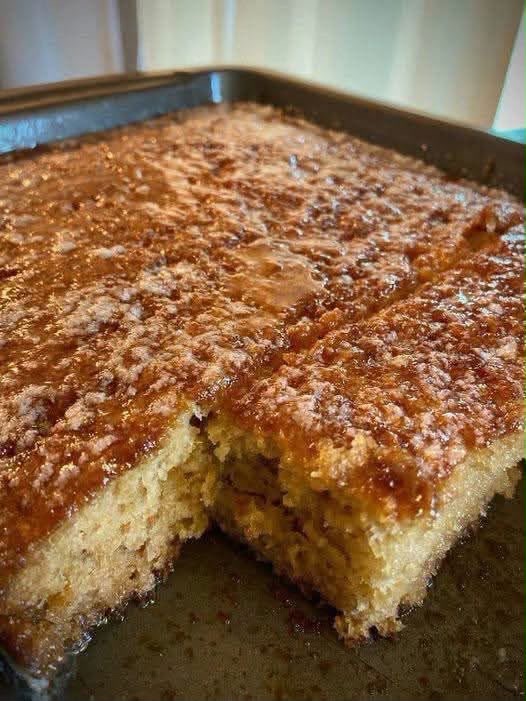
This Butter and Brown Sugar Caramel Poke Cake is a wonderfully soft, rich, and buttery dessert inspired by classic American butter cakes. What makes it especially irresistible is the warm brown sugar and butter glaze that is poured directly over the freshly baked cake.
As the warm glaze sinks through the little holes poked into the cake, it creates an incredibly moist texture throughout. The top develops a glossy, slightly caramelized finish while the inside stays tender and rich.
Made with simple pantry ingredients such as flour, butter, brown sugar, eggs, milk, and vanilla, this easy homemade cake is perfect for family desserts, holidays, potlucks, afternoon coffee, or whenever you want a comforting caramel dessert.
Recipe Overview
| Category | Details |
| Recipe Name | Butter and Brown Sugar Caramel Poke Cake |
| Cuisine | American |
| Preparation Time | 15 minutes |
| Baking Time | 25–30 minutes |
| Glaze Time | 5 minutes |
| Cooling Time | 30–60 minutes |
| Total Time | About 1 hour |
| Servings | 12–16 squares |
| Texture | Soft, moist, buttery |
| Main Flavor | Butter, brown sugar, caramel, vanilla |
| Difficulty | Easy |
Why You’ll Love This Recipe
This cake is incredibly easy to prepare and requires no complicated decorating techniques. The simple brown sugar butter glaze does most of the work, transforming an ordinary homemade cake into a rich and indulgent dessert.
The texture is one of the best parts. Because the warm glaze is poured over the cake immediately after baking, it slowly penetrates the holes and keeps the crumb exceptionally moist.
The flavor is warm, buttery, and caramel-like without requiring homemade caramel sauce or complicated candy-making techniques.
It is also a wonderful make-ahead dessert. The cake can be prepared several hours before serving, allowing the brown sugar glaze even more time to soak into the crumb.
Ingredients
For the Cake
| Ingredient | Amount |
| All-purpose flour | 250 g |
| Granulated sugar | 200 g |
| Baking powder | 11 g |
| Salt | 1/2 teaspoon |
| Unsalted butter, melted | 120 g |
| Large eggs | 2 |
| Milk | 240 ml |
| Vanilla extract | 1 teaspoon |
For the Butter and Brown Sugar Glaze
| Ingredient | Amount |
| Unsalted butter | 150 g |
| Brown sugar | 200 g |
| Heavy cream or milk | 60 ml |
| Vanilla extract | 1 teaspoon |
| Salt | A pinch, optional |
Step-by-Step Instructions
1. Prepare the Oven and Baking Pan
Preheat your oven to 180°C (350°F).
Lightly grease and flour a large rectangular baking pan, approximately 23 x 33 cm (9 x 13 inches).
You can also line the bottom with parchment paper if you want easier removal and cleanup.
2. Mix the Dry Ingredients
In a large mixing bowl, combine the all-purpose flour, granulated sugar, baking powder, and salt.
Whisk everything together until evenly distributed.
3. Mix the Wet Ingredients
In a separate bowl, whisk together the melted butter, eggs, milk, and vanilla extract.
Make sure the melted butter has cooled slightly before adding the eggs so that it does not become too hot.
Whisk until the mixture is smooth and well combined.
4. Make the Cake Batter
Gradually pour the wet ingredients into the bowl containing the dry ingredients.
Stir gently until everything is combined and you have a smooth, evenly mixed batter.
Avoid overmixing, as excessive mixing can make the finished cake less tender.
5. Bake the Cake
Pour the batter into the prepared baking pan.
Spread it evenly with a spatula so that the cake bakes at an even thickness.
Place the pan in the preheated oven and bake for approximately 25–30 minutes.
The cake is ready when the center is set and a toothpick inserted into the middle comes out clean or with only a few moist crumbs attached.
6. Prepare the Brown Sugar Butter Glaze
While the cake is baking, prepare the glaze.
Place the butter in a medium saucepan over medium heat and allow it to melt completely.
Add the brown sugar and heavy cream or milk.
Stir constantly and bring the mixture to a gentle simmer.
Continue cooking for approximately 2–3 minutes, stirring frequently, until the brown sugar has dissolved and the mixture looks smooth and slightly thickened.
Remove the saucepan from the heat.
Stir in the vanilla extract and, if desired, a small pinch of salt to balance the sweetness.
7. Poke the Freshly Baked Cake
As soon as the cake comes out of the oven, use a toothpick, skewer, or the handle of a wooden spoon to make small holes throughout the surface.
Do not make the holes excessively large. Small, evenly distributed holes work best because they allow the warm glaze to penetrate throughout the cake.
8. Pour Over the Warm Glaze
Slowly pour the warm brown sugar butter glaze over the entire surface of the hot cake.
Use a spatula or the back of a spoon to spread the glaze evenly if necessary.
The glaze will begin flowing into the holes, soaking into the cake and creating its signature moist texture.
Try to distribute the glaze as evenly as possible so every portion of the cake receives some of the buttery caramel mixture.
9. Cool the Cake
Allow the cake to cool at room temperature for at least 30–60 minutes.
During this time, the glaze will continue to absorb into the cake while the surface develops a rich, glossy finish.
For the best texture, allow the cake to cool completely before cutting.
10. Slice and Serve
Cut the cake into squares and serve.
For an extra indulgent dessert, serve each piece with a scoop of vanilla ice cream or a small spoonful of whipped cream.
Best Tips
Use room-temperature eggs and milk when possible. This helps the ingredients combine more smoothly and creates a more consistent cake batter.
Do not pour the glaze over a completely cooled cake. The cake should still be hot when the glaze is added because the warmth helps it penetrate the crumb.
Make the holes evenly across the entire cake rather than concentrating them in the center. This gives every slice a good balance of buttery brown sugar flavor.
Keep the glaze warm while preparing to pour it over the cake. If it becomes too thick, gently warm it again over low heat.
Avoid boiling the glaze aggressively. A gentle simmer is enough to dissolve the brown sugar and create a smooth consistency.
Allow the cake enough time to absorb the glaze before serving. Although it can be eaten warm, the texture becomes more evenly moist as it rests.
Best Ingredient Options
For the butter, use unsalted butter so you can control the amount of salt in the recipe. High-quality butter will give the cake a richer flavor.
Light or dark brown sugar can be used for the glaze. Light brown sugar creates a delicate caramel flavor, while dark brown sugar gives the cake a deeper molasses-like richness.
Whole milk provides a richer batter, but regular milk can also work well.
For the glaze, heavy cream creates a particularly creamy and luxurious finish. Milk produces a slightly lighter glaze while keeping the cake deliciously moist.
Pure vanilla extract gives the best flavor, especially in a simple cake where the vanilla is easy to notice.
Recipe Variations
Caramel Pecan Butter Cake
Add finely chopped toasted pecans over the warm glaze before the cake cools. The combination of buttery cake, brown sugar, caramel flavor, and crunchy pecans makes a wonderful dessert.
Cinnamon Brown Sugar Cake
Add 1 teaspoon of ground cinnamon to the cake batter and another small pinch to the glaze for a warm cinnamon-caramel flavor.
Chocolate Caramel Cake
Add a thin drizzle of melted chocolate over the cooled cake. The combination of chocolate and brown sugar caramel creates an especially rich dessert.
Vanilla Caramel Poke Cake
For an even stronger vanilla flavor, add an additional 1/2 teaspoon of vanilla extract to the cake batter and another small splash to the glaze.
Salted Caramel Butter Cake
Add a small amount of flaky sea salt over the finished cake. The salty-sweet combination beautifully balances the richness of the brown sugar glaze.
What to Serve With
A warm square of this butter cake is delicious with a scoop of vanilla ice cream. The cold, creamy ice cream contrasts beautifully with the soft, buttery cake.
Whipped cream is another simple option. A small spoonful adds lightness without overpowering the caramel flavor.
For an afternoon dessert, serve the cake with coffee, black tea, or a creamy latte.
Fresh berries can also provide a bright contrast to the sweetness of the cake.
Make-Ahead Instructions
This cake is excellent for making ahead.
You can bake the cake and add the warm glaze several hours before serving. Allow it to cool completely, then cover the baking pan tightly.
The cake can remain at room temperature for a short period if your kitchen is cool. For longer storage, refrigerate it.
Allow refrigerated cake to sit at room temperature for several minutes before serving for the best texture.
Storage
Store leftover cake in an airtight container or cover the baking pan tightly with plastic wrap or foil.
The cake can be kept at room temperature for about 1 day in a cool environment.
For longer storage, refrigerate the cake for up to 4–5 days.
The glaze may become firmer when chilled, but the cake will remain moist.
Reheating
For a warm dessert, place an individual slice in the microwave and heat for approximately 10–15 seconds.
Check the texture and add a few more seconds if necessary.
Avoid overheating because the glaze contains butter and sugar and can become extremely hot.
You can also allow the cake to come to room temperature naturally before serving.
Freezing
The cake can be frozen after it has completely cooled.
Cut it into individual portions and wrap each piece tightly in plastic wrap. Place the wrapped pieces in a freezer-safe container or freezer bag.
Freeze for up to 2–3 months for the best quality.
Thaw the cake overnight in the refrigerator or for several hours at room temperature.
For a freshly baked texture, gently warm individual portions after thawing.
Common Mistakes to Avoid
Overmixing the batter can create a denser cake. Stir only until the dry and wet ingredients are combined.
Using butter that is extremely hot when mixing with the eggs can affect the batter. Let the melted butter cool slightly before combining it with the other wet ingredients.
Do not wait too long before adding the glaze. The cake should still be hot when you poke the holes and pour over the buttery brown sugar mixture.
Avoid making huge holes throughout the cake. Small, evenly distributed holes allow the glaze to spread without creating overly wet areas.
Do not cook the glaze at a rolling boil. Excessive heat can change its texture. A gentle simmer is all that is needed.
Cutting the cake immediately after adding the glaze can make the slices look messy. Letting it rest gives the glaze time to settle and the cake time to firm up.
Nutrition Estimate
Nutrition will vary depending on the exact ingredients and portion size.
| Nutrient | Estimated Amount Per Serving |
| Calories | 430–470 kcal |
| Carbohydrates | 55–60 g |
| Protein | 5–6 g |
| Fat | 22–25 g |
| Saturated Fat | 13–15 g |
| Sugar | 35–40 g |
| Fiber | 1–2 g |
| Sodium | 180–230 mg |
Frequently Asked Questions
Can I use dark brown sugar?
Yes. Dark brown sugar works very well and gives the glaze a deeper caramel and molasses flavor.
Can I use milk instead of heavy cream?
Yes. Milk can be used in the glaze. Heavy cream creates a richer and creamier result, while milk makes the glaze slightly lighter.
Why do I need to poke holes in the cake?
The holes allow the warm butter and brown sugar glaze to penetrate the cake instead of remaining only on the surface. This creates the signature moist texture of a poke cake.
Can I make this cake the day before?
Yes. In fact, making it several hours ahead can improve the texture because the glaze has more time to distribute throughout the cake.
Can I add nuts?
Absolutely. Toasted pecans or walnuts make excellent additions. Sprinkle them over the warm glaze before it sets.
Can I serve the cake warm?
Yes. The cake is delicious warm, especially with vanilla ice cream. However, allowing it to rest first gives the glaze more time to absorb.
How do I know when the cake is done?
Insert a toothpick into the center. If it comes out clean or with a few moist crumbs, the cake is ready.
Can I use a different baking pan?
Yes, but the baking time may change depending on the size and depth of the pan. A 23 x 33 cm (9 x 13-inch) rectangular pan works particularly well for this recipe.
Final Thoughts
This Butter and Brown Sugar Caramel Poke Cake is proof that a simple homemade dessert can be incredibly satisfying. The soft vanilla butter cake absorbs a warm brown sugar glaze, creating a rich caramel flavor and an irresistibly moist crumb.
With everyday baking ingredients, minimal preparation, and no complicated decoration, this easy cake is perfect for family gatherings, holidays, potlucks, afternoon treats, and comforting homemade desserts.
Serve it as it is or pair it with vanilla ice cream for an extra indulgent caramel dessert that is sure to disappear quickly.