
Introduction
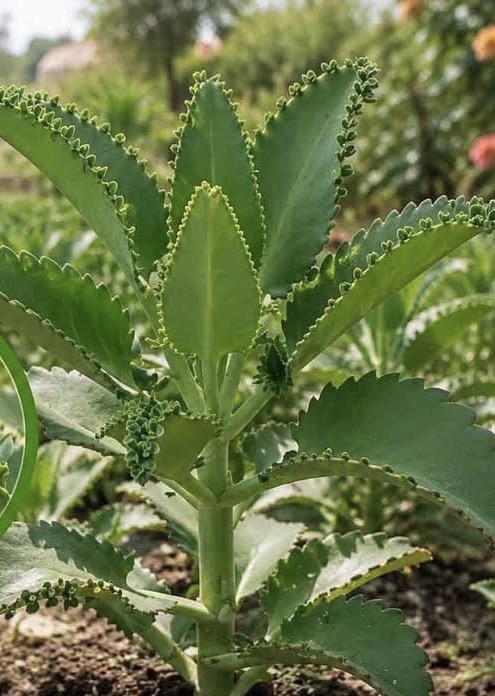
Kalanchoe is a popular succulent plant known by several common names, including Mother of Thousands, Life Plant, and Air Plant. Its thick green leaves and ability to grow easily make it a familiar houseplant in many homes.
On social media, Kalanchoe is often promoted as a natural remedy for arthritis pain, joint swelling, muscle soreness, and coughs. Although some traditional practices use this plant for these purposes, traditional use does not establish that a remedy is effective or safe for people.
Certain Kalanchoe species contain bufadienolides, compounds associated with potentially serious toxic effects when ingested. The plant can also cause skin irritation, depending on the species and exposure.
This guide explains traditional Kalanchoe preparations, important herbal safety precautions, and safer alternatives to consider for joint discomfort and general wellness.
Recipe Overview
| Feature | Details |
| Article topic | Kalanchoe plant and traditional herbal preparations |
| Plant type | Succulent |
| Common names | Mother of Thousands, Life Plant |
| Traditional applications | Topical poultices and herbal infusions |
| Preparation time | Approximately 5–10 minutes for a traditional poultice |
| Application time | No established safe application time for crushed Kalanchoe leaves |
| Intended purpose | Educational information about traditional remedies |
| Safety level | Caution required; ingestion is not recommended |
| Best alternative | Evidence-informed joint pain management and appropriate medical advice |
Why You’ll Want to Learn About This Plant
Kalanchoe has a long history of traditional use in different cultures, which explains why it frequently appears in discussions about herbal medicine and natural remedies.
Understanding the difference between traditional herbal practices and medically supported treatments can help readers make informed decisions about their health.
Learning about plant toxicity is equally important. Natural ingredients are not automatically safe, and some plants contain compounds that can cause unwanted effects.
This guide also explores safer approaches to joint pain management, muscle soreness, and persistent swelling without relying on unverified home remedies.
Ingredients and Materials
1. Traditional Kalanchoe Poultice
The following table describes a traditional preparation for educational purposes. It is not a recommended treatment for arthritis, swollen joints, or inflammation because the safety and effectiveness of applying crushed Kalanchoe leaves to human skin have not been adequately established.
| Ingredient or material | Traditional amount | Purpose |
| Fresh Kalanchoe leaves | 3–5 leaves | Traditionally crushed to release plant juice |
| Clean water | As needed | Washing the leaves |
| Mortar and pestle | 1 set | Crushing the leaves |
| Clean cloth | 1 piece | Traditionally used to cover the preparation |
Safety note: Avoid applying crushed Kalanchoe leaves or plant juice to your skin, particularly on broken, irritated, or sensitive areas. Plant sap may cause contact dermatitis.
2. Traditional Kalanchoe Herbal Infusion
Some traditional remedies use Kalanchoe leaves to prepare a warm infusion for coughs and sore throats. However, there is no established safe household recipe or dosage for drinking Kalanchoe tea.
| Ingredient | Traditional amount | Safety information |
| Fresh Kalanchoe leaf | 1 leaf | Do not use for homemade tea |
| Boiling water | 1 cup (250 ml) | Can be used to prepare other suitable herbal teas |
| Honey | 1 teaspoon, optional | May soothe a cough for some people over 1 year old |
| Lemon | A few drops, optional | Adds flavor but is not a treatment for infection |
Important: Do not drink Kalanchoe leaf tea or juice as a home remedy. The plant’s chemical composition varies by species, and a safe oral dose has not been established.
For a warm drink, consider an ordinary honey-and-lemon beverage instead, provided it is appropriate for your age and health circumstances.
Step-by-Step Instructions
Step 1: Identify the Plant
Kalanchoe includes several species that may look similar but have different characteristics. Common names such as Mother of Thousands and Life Plant are not always used consistently.
Do not identify a plant solely from a social media photograph before handling it or considering any medicinal use.
Step 2: Understand the Traditional Poultice
Traditional instructions often recommend washing fresh leaves, crushing them, and placing the resulting pulp over a painful joint.
However, there is insufficient reliable clinical evidence to establish that this preparation safely relieves arthritis, swelling, or muscle pain.
For this reason, avoid preparing or applying a Kalanchoe poultice as a treatment. If you have joint discomfort, choose a better-studied approach based on the cause of your symptoms.
Step 3: Choose a Safer Approach to Joint Discomfort
For minor muscle soreness or uncomplicated joint discomfort, a wrapped cold pack may help reduce discomfort after an injury. Gentle movement and appropriate physical activity can also support mobility.
For some people with osteoarthritis, evidence-based topical pain relief products may be an option. A pharmacist or healthcare professional can help determine whether a particular product is appropriate, taking account of allergies, other medications, and existing medical conditions.
Step 4: Choose an Appropriate Warm Drink for a Cough
Instead of preparing Kalanchoe tea, consider warm water with a little honey and lemon.
Honey may provide some relief from coughing, but it should never be given to children younger than 12 months.
A persistent cough, difficulty breathing, chest pain, or a cough accompanied by significant illness warrants medical assessment.
Step 5: Follow Appropriate Safety Precautions
Keep Kalanchoe plants away from children and pets who might chew the leaves.
If someone swallows part of the plant, contact a healthcare professional or poison information service for guidance. Do not wait for symptoms to appear if a potentially significant ingestion has occurred.
Best Tips for Natural Joint Pain Relief
Choose treatments according to the likely cause of the pain. Arthritis, a muscle strain, an infection, and an injury may require very different approaches.
Avoid assuming that a homemade herbal remedy is safe simply because its ingredients are natural. Plant species, preparation methods, and concentrations can affect toxicity.
Use a wrapped cold pack for short periods after an acute injury, protecting the skin from direct contact with ice. If warmth feels more comfortable for chronic stiffness, a comfortably warm compress may be an option when there is no acute injury or unusual swelling.
Maintain gentle movement when appropriate, and avoid activities that significantly worsen the pain. Persistent joint swelling, unexplained symptoms, or recurring discomfort should be assessed by a healthcare professional.
Best Ingredient Options
For readers interested in natural wellness, the following options may be more appropriate than experimenting with potentially toxic plants.
| Option | Potential use | Important consideration |
| Honey | May help soothe an ordinary cough | Never give honey to babies under 12 months |
| Warm water | Helps maintain hydration | Does not treat the underlying cause of a cough |
| Wrapped cold pack | Temporary relief after some minor injuries | Avoid direct ice-to-skin contact |
| Warm compress | May ease some types of stiffness | Avoid excessive heat and acute injuries with significant swelling |
| Evidence-based topical pain relief | May help selected cases of joint pain | Check suitability with a pharmacist or clinician |
| Gentle mobility exercises | Can support joint function | Adapt activity to the condition and pain level |
These alternatives have different purposes and are not interchangeable. The most appropriate option depends on the symptoms and underlying condition.
Recipe Variations and Traditional Uses
Traditional Leaf Poultice
Some folk medicine traditions describe crushing Kalanchoe leaves for external application. However, its effectiveness for joint pain relief has not been established in reliable human clinical trials, and skin reactions are possible. It is not recommended as a home treatment.
Traditional Herbal Tea
Kalanchoe tea appears in some traditional herbal practices for coughs and cold symptoms. Nevertheless, an infusion made from fresh leaves cannot be assumed to be safe simply because the plant has been used traditionally. Avoid drinking preparations made from the plant.
Honey and Lemon Drink
A warm drink containing honey and lemon offers a more practical alternative for people seeking a soothing beverage during a mild cough. Honey may help relieve coughing in some circumstances, but this drink does not cure respiratory infections or replace necessary treatment.
Cold and Warm Compresses
Cold and warm compresses can serve different purposes. Cold may help with discomfort after certain acute injuries, while gentle warmth may help some forms of stiffness. Choose according to the situation and seek medical advice if the cause of swelling is uncertain.
What to Use Instead for Joint Discomfort
A wrapped cold pack may be helpful after a minor injury, while gentle mobility exercises may support long-term joint function. Neither option is appropriate for every cause of pain.
People with persistent arthritis symptoms may benefit from an individualized treatment plan involving exercise, physical therapy, weight management when relevant, and suitable pain relief.
Do not use a homemade plant preparation as a substitute for prescribed medication or professional assessment. Sudden severe joint pain, a hot or red joint, or swelling accompanied by fever can indicate a condition requiring urgent medical attention.
Make-Ahead Instructions
Kalanchoe poultices and teas should not be prepared in advance for medicinal use.
There is no validated storage method that makes a homemade Kalanchoe preparation safe to consume or apply to the skin.
If you prefer to prepare a simple honey-and-lemon drink, make it fresh when needed. Use clean utensils and follow normal food hygiene practices.
Storage
Keep Kalanchoe plants in a location inaccessible to young children and pets.
Do not store crushed leaves, plant juice, or homemade Kalanchoe tea in the refrigerator for later medicinal use. Refrigeration does not remove the plant’s potentially toxic compounds.
Store any commercially prepared topical pain relief product according to its label, and keep all medications and supplements out of children’s reach.
Reheating
Kalanchoe tea should not be reheated for consumption because heating does not establish that the plant preparation is safe.
If you prepare an ordinary honey-and-lemon drink, warm it gently to a comfortable drinking temperature. Avoid excessive heat, particularly when serving children.
Freezing
Freezing Kalanchoe leaves or their juice does not provide a reliable way to eliminate potentially toxic compounds. Do not freeze the plant to make it suitable for medicinal use.
Cold packs intended for external use should be used according to their instructions and covered with a suitable layer of fabric to protect the skin.
Common Mistakes to Avoid
Assuming natural means safe. Plants can contain potent chemical compounds, and natural remedies can cause adverse reactions.
Drinking Kalanchoe tea. A homemade infusion has no established safe dosage, and some Kalanchoe species contain compounds associated with abnormal heart rhythms and other toxic effects.
Applying plant sap directly to painful joints. The sap may irritate the skin, and there is insufficient evidence to establish a safe or effective application method.
Using a traditional remedy instead of medical treatment. Persistent arthritis pain, unexplained swelling, and recurrent coughs deserve appropriate evaluation.
Ignoring warning signs. Sudden severe pain, a hot swollen joint, fever, difficulty breathing, or symptoms following ingestion of a potentially toxic plant should not be dismissed.
Leaving the plant within reach of pets. Kalanchoe is toxic to cats and dogs. Ingestion can cause gastrointestinal symptoms and, in serious cases, abnormal heart rhythms. Keep the plant away from animals and contact a veterinarian promptly if ingestion occurs.
Nutrition Estimate
Because this article concerns a medicinal plant rather than an edible recipe, a conventional nutrition estimate is not appropriate.
| Nutritional information | Amount |
| Calories | Not applicable |
| Protein | Not applicable |
| Carbohydrates | Not applicable |
| Fat | Not applicable |
| Fiber | Not applicable |
| Vitamins and minerals | Not quantified |
| Safe serving size for ingestion | Not established |
Do not calculate nutritional values for Kalanchoe tea or leaf juice as though these were established edible preparations.
Frequently Asked Questions
What is the Kalanchoe plant used for traditionally?
Different Kalanchoe species have been used in traditional medicine for various complaints, including inflammation, skin problems, and respiratory symptoms. These historical uses do not establish that the plant is effective or safe for treating those conditions.
Can Kalanchoe cure arthritis?
There is no reliable clinical evidence establishing that applying Kalanchoe leaves or drinking Kalanchoe tea cures arthritis. Arthritis treatment depends on the specific diagnosis and may include physical activity, physical therapy, medication, and other clinician-guided measures.
Can Kalanchoe leaves reduce swelling?
Some traditional practices recommend the leaves for swelling, but their effectiveness and safety for this purpose have not been established. Unexplained or persistent swelling should be assessed by a healthcare professional.
Is Kalanchoe tea safe to drink?
Kalanchoe tea is not recommended. Some species contain bufadienolides, which can affect the heart, and a safe oral dose for a homemade infusion has not been established.
Can Kalanchoe be applied directly to the skin?
Direct application of crushed leaves or plant juice is not recommended as a treatment. Some species can cause contact dermatitis, and the safety of this practice has not been adequately established.
Is Kalanchoe poisonous to pets?
Yes. Kalanchoe is toxic to cats and dogs. Possible symptoms include vomiting, diarrhea, and abnormal heart rhythms. Keep the plant away from pets and seek veterinary advice if ingestion is suspected.
What is a safer natural remedy for a cough?
A warm drink with honey may help soothe an ordinary cough in some people. Honey must not be given to children younger than 12 months. Seek medical care for breathing difficulties, chest pain, severe symptoms, or a cough that persists.
When should I see a doctor for joint pain?
Seek medical advice for persistent or worsening joint pain, unexplained swelling, or reduced mobility. A hot, red, severely painful joint, especially with fever, needs urgent medical assessment.
Final Thoughts
Kalanchoe is an interesting succulent with a long history of traditional use, but claims that it is a miracle cure for arthritis, swelling, or coughs should be treated cautiously.
The most important consideration is safety. Some species contain potentially toxic compounds, and neither homemade Kalanchoe tea nor crushed-leaf poultices have an established safe and effective medicinal dosage.
For joint pain relief, cough management, and general wellness, choose approaches supported by appropriate evidence and seek professional guidance when symptoms persist or become severe.
⚠️This recipe may not be suitable for everyone, so it is advisable to consult a doctor.