
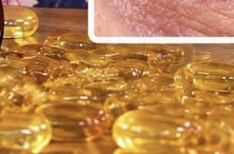
Cataract Health Guide: Eye Health, Essential Nutrients, and Important Safety Precautions
Introduction
Healthy vision is essential for everyday life, and taking care of your eyes becomes increasingly important as you get older. A balanced diet, regular eye examinations, and appropriate medical care can all help support long-term eye health.
You may have seen online advertisements claiming that a hidden vitamin can dissolve cataracts in three minutes or restore clear vision overnight. These claims can be misleading and potentially dangerous if they encourage people to delay proper treatment.
There is no proven vitamin, dietary supplement, eye drop, or homemade remedy that can dissolve an established cataract in minutes. Understanding what cataracts are, how nutrition supports eye health, and when to seek medical attention can help you make safer decisions.
This guide explains the facts, offers practical nutrition advice, and outlines important precautions for protecting your eyes.
Guide Overview
| Topic | Information |
| Main subject | Cataracts and eye health |
| Preparation time | Not applicable |
| Type | Educational health guide |
| Main focus | Nutrition and eye safety |
| Intended audience | Adults interested in maintaining healthy vision |
| Medical treatment | Cataract surgery when appropriate |
| Important precaution | Never put homemade mixtures or capsules into your eyes |
Why You’ll Find This Guide Helpful
Understanding cataracts can help you distinguish reliable medical advice from exaggerated online promises. Rather than relying on miracle cures, you can learn which symptoms deserve attention and which everyday habits support your general eye health.
This guide also explains the difference between nutrients that contribute to normal eye function and treatments that can actually remove a cataract.
Most importantly, it highlights potentially dangerous practices, such as putting vitamin oils, gels, or homemade preparations directly into the eyes.
Understanding Cataracts
A cataract develops when the eye’s natural lens becomes cloudy. This lens normally helps focus light onto the retina, allowing you to see clearly.
As the lens becomes increasingly opaque, vision may become blurry, cloudy, or less vivid. Cataracts often develop gradually and are commonly associated with aging, although they can also occur because of certain medical conditions, eye injuries, medications, or other factors.
Common symptoms include:
- Blurry or cloudy vision.
- Increased sensitivity to bright lights and glare.
- Difficulty seeing clearly at night.
- Halos around lights.
- Colors appearing faded or less vivid.
- Frequent changes in eyeglass prescriptions.
These symptoms can have other causes, so an eye examination is necessary to determine whether cataracts are present.
Essential Nutrients for General Eye Health
A balanced diet supplies nutrients that support the normal functioning of the eyes. However, obtaining these nutrients does not mean an existing cataract can be reversed.
Vitamin A
Vitamin A is essential for normal vision, particularly in low-light conditions. Foods containing vitamin A or its precursors include carrots, sweet potatoes, pumpkin, and leafy green vegetables.
Vitamin C
Vitamin C is an antioxidant found in foods such as oranges, strawberries, kiwi, bell peppers, and broccoli. It contributes to normal tissue function and helps protect cells from oxidative damage.
Vitamin E
Vitamin E helps protect cells against oxidative stress. Sources include almonds, sunflower seeds, and vegetable oils.
Lutein and Zeaxanthin
These carotenoids are found in leafy green vegetables such as spinach and kale, as well as in some other vegetables and eggs. They are important components of the retina and contribute to normal eye function.
Omega-3 Fatty Acids
Omega-3 fatty acids are found in oily fish, such as salmon and sardines, as well as in certain plant foods. They play roles in normal cellular function, although supplements are not a proven treatment for cataracts.
A Simple Eye-Healthy Food Plan
Rather than using unproven remedies, consider incorporating a variety of nutrient-rich foods into your regular meals.
| Food | Key nutrients |
| Carrots | Beta-carotene |
| Spinach | Lutein, zeaxanthin, vitamin C |
| Oranges | Vitamin C |
| Almonds | Vitamin E |
| Eggs | Lutein and zeaxanthin |
| Salmon | Omega-3 fatty acids |
| Sweet potatoes | Beta-carotene |
| Broccoli | Vitamin C and other nutrients |
These foods can contribute to a balanced diet, but none should be considered a cure for cataracts.
Step-by-Step Guide to Protecting Your Vision
Step 1: Eat a varied, balanced diet
Include vegetables, fruits, whole grains, and appropriate protein sources. A varied diet helps provide the nutrients your eyes and the rest of your body need.
Step 2: Schedule regular eye examinations
An eye-care professional can assess your vision, examine your natural lenses, and identify cataracts or other eye conditions. The appropriate examination schedule depends on your age, symptoms, and medical history.
Step 3: Protect your eyes
Wear sunglasses that provide 100% UVA and UVB protection when outdoors in strong sunlight. Use appropriate protective eyewear when performing activities that could injure your eyes.
Step 4: Maintain good hygiene
Wash your hands before handling contact lenses or eye medications. Never put food products, vitamin oils, capsule contents, or homemade mixtures into your eyes.
Step 5: Discuss treatment options with an eye specialist
If cataracts interfere with reading, driving, or daily activities, an ophthalmologist can explain whether surgery is appropriate and discuss the expected benefits and risks.
Best Tips for Maintaining Eye Health
Arrange an eye examination if you notice persistent changes in your vision, even if they seem minor. Early assessment can help identify cataracts and other conditions that may require treatment.
Avoid smoking, maintain a balanced diet, and manage conditions such as diabetes with appropriate medical support. These measures contribute to general health and may help reduce certain risks associated with eye disease.
Be cautious about advertisements promising immediate results or claiming that doctors are hiding a simple cure. Reliable treatments should be supported by credible clinical evidence.
Do not begin high-dose vitamin supplements without a good reason and appropriate professional advice. Excessive amounts of certain vitamins can cause harm.
Best Alternatives to Unproven Eye Remedies
| Instead of… | Choose… |
| Vitamin capsules opened into the eyes | Eye products specifically prescribed or recommended by a qualified professional |
| Homemade oils or gels | Medically appropriate eye care |
| Supplements advertised as cataract cures | A comprehensive eye examination |
| Delaying care while trying remedies | Discussing evidence-based options with an ophthalmologist |
| Taking high-dose vitamins without guidance | Getting nutrients from a balanced diet and discussing supplements when needed |
What Is the Effective Treatment for Cataracts?
Cataracts cannot currently be dissolved or removed through diet or vitamin supplements.
When a cataract significantly affects vision or everyday activities, the established treatment is cataract surgery. During the procedure, an ophthalmologist removes the cloudy natural lens and usually replaces it with an artificial intraocular lens.
Not every cataract requires immediate surgery. The decision depends on the severity of symptoms, the effect on daily life, the overall health of the eye, and the patient’s circumstances.
An ophthalmologist can explain the procedure, possible complications, recovery expectations, and whether surgery is appropriate for an individual patient.
Can Cataracts Be Prevented?
There is no guaranteed way to prevent every cataract, especially those associated with aging. However, certain habits may help support eye health and reduce some avoidable risks.
Protecting the eyes from excessive ultraviolet exposure, avoiding smoking, eating a varied diet, managing diabetes, and using medications only as directed are sensible measures.
Regular eye examinations are also important because vision changes can result from cataracts or other conditions that require different treatments.
Common Mistakes to Avoid
One major mistake is believing that a food or supplement can reverse a cataract within minutes. Such claims are not supported by reliable medical evidence.
Another dangerous practice is placing oil from vitamin capsules, cosmetic gels, or homemade mixtures into or under the eyelids. These substances are not formulated for use inside the eye and may cause irritation, contamination, or injury.
Taking excessive doses of supplements can also be harmful. More vitamins do not automatically mean better vision.
Finally, do not ignore sudden changes in eyesight. Sudden vision loss, severe eye pain, or a painful red eye requires urgent medical assessment rather than waiting to see whether a home remedy works.
Frequently Asked Questions
Can a vitamin dissolve cataracts in three minutes?
No. There is no reliable clinical evidence that any vitamin can dissolve a cataract in three minutes or restore clear vision overnight.
Can vitamin eye drops cure cataracts?
No vitamin eye drop has been established as a cure for cataracts. Use only eye products intended for ophthalmic use and follow advice from a qualified eye-care professional.
Can carrots improve vision?
Carrots contain beta-carotene, which the body can convert into vitamin A. Vitamin A is essential for normal vision, but eating more carrots will not reverse an established cataract.
Is surgery the only effective treatment for cataracts?
Cataract surgery is the established treatment that removes the cloudy lens. Surgery is generally considered when the cataract significantly affects vision or daily activities. An ophthalmologist can help determine the right timing.
Are vitamin supplements useful for eye health?
Supplements can be useful in certain circumstances, such as a diagnosed nutritional deficiency or a specific medical indication. However, they do not dissolve cataracts, and high doses may be harmful.
What should I do if I have already put oil or a homemade mixture in my eye?
Stop using the substance. If a chemical, cosmetic product, or other potentially harmful substance has entered your eye, rinse promptly with clean, lukewarm running water and seek professional medical or poison-control advice as appropriate. Do not try to neutralize it with another substance. Seek urgent eye care for pain, redness, light sensitivity, or blurred vision.
Nutrition Estimate
There is no single nutrition estimate for this guide because it discusses several foods rather than one standardized recipe.
As a general principle, a varied diet containing fruits, vegetables, whole grains, and appropriate protein sources can help meet nutritional needs. Individual requirements differ according to age, health, and other factors.
Important Medical Warning ⚠️
Never put vitamin capsule oils, cosmetic gels, food ingredients, or homemade remedies directly into or under your eyes. These products may cause irritation, infection, chemical injury, or other complications.
No food, vitamin, or home remedy has been proven to dissolve cataracts in three minutes. Do not delay professional eye care because of online advertisements or miracle-cure claims.
If you experience sudden vision loss, seek emergency medical care. If you have gradually worsening vision, arrange an appointment with an ophthalmologist.
This article is for educational purposes only and does not replace a professional diagnosis or individualized medical advice.
Final Thoughts
Protecting your vision starts with reliable information, healthy daily habits, and appropriate medical care. Nutrients such as vitamins A, C, and E, along with lutein and zeaxanthin, support normal eye function as part of a balanced diet, but they are not cures for cataracts.
Be skeptical of advertisements promising instant results, and never risk your eyesight by putting unapproved substances into your eyes.
If you suspect that you have cataracts, consult an ophthalmologist. An appropriate examination is the safest way to understand your condition and choose an effective treatment.