
Introduction
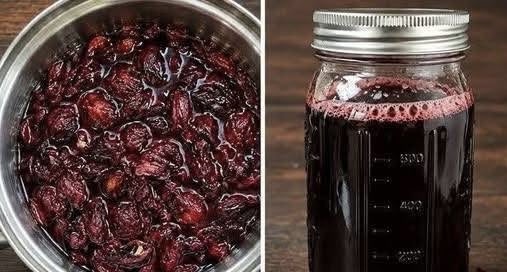
Looking for a refreshing herbal drink with a beautiful ruby-red color and a naturally tangy flavor? This Spice-Infused Hibiscus Tea combines dried hibiscus flowers with cinnamon sticks, cloves, and bay leaves to create a fragrant beverage that can be enjoyed hot or cold.
Also known as Karkadeh, Zobo, or Agua de Jamaica, hibiscus tea is enjoyed in many cultures around the world. The hibiscus provides a tart, cranberry-like flavor, while the warming spices add depth and aroma. A little honey or maple syrup can soften the natural acidity, and fresh lemon or lime adds a bright citrus finish.
This easy homemade hibiscus tea recipe requires only a handful of ingredients and a saucepan. It is perfect for relaxing at home, serving to guests, or preparing a chilled pitcher for warm afternoons.
Important disclaimer: Hibiscus tea is a beverage, not a proven treatment for hormonal imbalances or a quick weight-loss remedy. Herbal drinks can contribute to daily fluid intake, but they should not replace medical care or evidence-based weight-management strategies.
Recipe Overview
| Recipe Detail | Information |
| Recipe Name | Spice-Infused Hibiscus Tea |
| Preparation Time | 5 minutes |
| Cooking Time | 15–20 minutes |
| Steeping Time | 10 minutes |
| Total Time | Approximately 30–35 minutes |
| Servings | 4–5 cups |
| Main Ingredients | Hibiscus flowers, cinnamon, cloves, bay leaves |
| Flavor | Tart, fruity, aromatic, and gently spiced |
| Difficulty | Easy |
| Serving Options | Hot or iced |
| Sweetener | Optional |
Why You’ll Love This Spice-Infused Hibiscus Tea
Beautiful natural color: Dried hibiscus flowers create a deep ruby-red infusion that looks lovely in a glass pitcher or teacup.
Refreshing sweet-and-tart flavor: Hibiscus has a naturally tangy taste that pairs well with honey, citrus, and warming spices.
Simple ingredients: This recipe uses easy-to-find dried flowers and pantry spices without requiring special equipment.
Enjoy it hot or cold: Serve it warm as a comforting herbal infusion or chill it for a refreshing iced drink.
Easy to customize: Adjust the sweetness, spice intensity, and citrus flavor to suit your personal taste.
Perfect for preparing ahead: Make a batch in advance and refrigerate it for convenient serving throughout the next few days.
Ingredients for Spice-Infused Hibiscus Tea
This recipe makes approximately 4–5 cups, depending on the amount of water used and how long the mixture simmers.
Main Ingredients
| Ingredient | Quantity | Purpose |
| Dried hibiscus flowers | 1 cup | Provides the ruby-red color and tangy flavor |
| Water | 4–5 cups (960 ml–1.2 liters) | Forms the base of the tea |
| Cinnamon sticks | 2–3 sticks | Adds a warm, sweet-spice aroma |
| Whole cloves | 1 teaspoon | Provides a strong, aromatic flavor |
| Dried bay leaves | 2–3 leaves | Adds subtle herbal notes |
| Honey or maple syrup | 1–2 tablespoons, optional | Sweetens the tart infusion |
| Fresh lemon or lime slices | Optional | Adds a bright citrus finish |
Ingredient Notes
Dried hibiscus flowers: Use food-grade dried hibiscus calyces intended for making tea. Avoid ornamental flowers or plants that have not been identified as suitable for consumption.
Cinnamon sticks: Whole cinnamon sticks infuse the liquid gradually and are easy to remove before serving.
Whole cloves: Cloves have a powerful flavor, so a teaspoon is generally enough for this batch. Reduce the amount if you prefer a milder spice profile.
Bay leaves: Use dried culinary bay leaves and remove them before drinking. They contribute aroma rather than a strong, dominant flavor.
Honey or maple syrup: Sweetener is optional. Start with a small amount, taste the tea, and add more if needed.
Lemon or lime: Citrus complements the tangy hibiscus flavor. Add slices or a little fresh juice after straining.
Step-by-Step Instructions
Step 1: Combine the Ingredients
Add the dried hibiscus flowers, cinnamon sticks, whole cloves, and bay leaves to a medium saucepan.
Pour in 4–5 cups of water and stir gently to make sure the dried flowers are submerged.
Step 2: Bring the Mixture to a Boil
Place the saucepan over medium heat and bring the mixture to a boil.
Once it begins boiling, reduce the heat to low. Keep the mixture at a gentle simmer rather than allowing it to boil vigorously.
Step 3: Simmer the Tea
Cover the saucepan and simmer for 15–20 minutes.
This allows the hibiscus flowers to release their color and tangy flavor while the cinnamon, cloves, and bay leaves infuse the liquid.
For a lighter drink, use the shorter cooking time. For a stronger flavor, simmer toward the longer end of the recommended range.
Step 4: Let the Tea Steep
Remove the saucepan from the heat and allow the mixture to steep for another 10 minutes.
This resting period helps the flavors develop. You can shorten the steeping time if the spice aroma becomes too strong for your taste.
Step 5: Strain the Tea
Carefully pour the infusion through a fine-mesh strainer into a heat-safe pitcher or container.
Discard the used flowers and spices. Do not squeeze the flowers excessively, as this may make the drink taste more astringent.
Step 6: Sweeten and Adjust the Flavor
While the tea is still warm, stir in honey or maple syrup if desired.
Add fresh lemon or lime juice for a brighter taste. Start with a small amount, taste, and adjust according to your preference.
If you prefer unsweetened herbal tea, simply skip the sweetener.
Step 7: Serve Hot or Chilled
For a warm drink, pour the tea into mugs and serve immediately once it has cooled to a comfortable drinking temperature.
For iced hibiscus tea, let it cool, refrigerate until cold, and serve over ice with optional citrus slices.
If adding ice, remember that it will dilute the flavor slightly. You can prepare a more concentrated infusion or use less ice to maintain the taste.
Best Tips for Perfect Hibiscus Tea
Use good-quality hibiscus flowers: Food-grade dried flowers provide the best color and flavor. Store them in a cool, dry place away from direct sunlight.
Adjust the spices gradually: Cinnamon, cloves, and bay leaves each contribute a distinct aroma. If you prefer the hibiscus flavor to dominate, begin with fewer spices.
Avoid excessive simmering: Prolonged cooking may make the infusion more intense or astringent. Follow the suggested time and adjust your next batch to taste.
Taste before sweetening: Hibiscus is naturally tart, but the level of acidity and intensity varies. Add sweetener gradually rather than automatically using the full amount.
Use a heat-safe container: Strain hot tea into a pitcher designed for hot liquids to prevent cracking.
Chill promptly: If you are making iced tea, cool it safely and refrigerate it rather than leaving it at room temperature for an extended period.
Best Ingredient Options
For a less tart drink: Add a little more water or a small amount of honey or maple syrup.
For a stronger cinnamon flavor: Use three cinnamon sticks, provided you enjoy a pronounced spice aroma.
For a milder infusion: Reduce the cloves to ½ teaspoon and use only two bay leaves.
For a citrus-forward version: Add fresh lemon or lime juice after straining.
For a naturally unsweetened version: Skip the honey and maple syrup. The hibiscus and spices provide plenty of flavor on their own.
For a different sweetener: You can use another sweetener of your choice, adjusting the quantity according to its sweetness.
Recipe Variations
Iced Hibiscus Tea: Prepare the tea as directed, allow it to cool, and refrigerate until chilled. Serve in tall glasses over ice with lemon slices.
Ginger Hibiscus Tea: Add a few thin slices of fresh ginger before simmering for a sharper, warming flavor.
Orange Hibiscus Tea: Add a strip of washed orange peel during the simmering stage, then remove it before serving. A little fresh orange juice can also add a fruity note.
Mint Hibiscus Tea: Add a few fresh mint leaves after removing the saucepan from the heat. Let them steep briefly before straining.
Lightly Sweetened Hibiscus Tea: Stir in a small amount of honey or maple syrup and adjust after tasting. You can also leave the drink unsweetened.
Hibiscus Cinnamon Cooler: Prepare the infusion with cinnamon, cool it completely, and serve it over ice with a cinnamon stick as a garnish.
What to Serve With Hibiscus Tea
Fresh fruit: Orange slices, berries, apples, and melon complement the tart, fruity flavor of hibiscus.
Light sandwiches: Vegetable sandwiches, chicken sandwiches, or simple wraps make a refreshing pairing for lunch.
Homemade pastries: Serve warm hibiscus tea with plain biscuits, muffins, or lightly sweetened cakes.
Dates and nuts: A few dates, almonds, or walnuts pair nicely with the drink’s natural acidity and spice aroma.
Light salads: A fresh salad with cucumber, tomatoes, leafy greens, and a citrus dressing works well alongside chilled hibiscus tea.
Make-Ahead Instructions
Hibiscus tea is easy to prepare ahead of time.
Prepare the infusion according to the recipe, strain it, and allow it to cool safely. Transfer it to a clean, covered container and refrigerate.
You can leave the sweetener out until serving so everyone can adjust the sweetness to their liking.
For a party, prepare a pitcher in advance and add fresh citrus slices just before serving. If serving over ice, keep the ice separate until the tea is poured into glasses.
Storage Instructions
Store leftover hibiscus tea in a clean, airtight container in the refrigerator.
For best quality, consume it within 3–4 days. Discard it sooner if its smell, appearance, or taste changes noticeably.
Keep the tea refrigerated rather than leaving it at room temperature for several hours. Avoid adding ice directly to the storage container, since melting ice can dilute the infusion.
Can You Freeze Hibiscus Tea?
Yes. You can freeze the strained tea in freezer-safe containers, leaving a little space at the top for expansion.
For convenient portions, freeze it in an ice-cube tray and transfer the frozen cubes to a freezer-safe bag or container.
Use the frozen tea within approximately 2–3 months for the best flavor. Thaw it in the refrigerator, or add the cubes directly to a glass of water for a lightly flavored drink.
Common Mistakes to Avoid
Using too many cloves: Cloves have a strong flavor and can overwhelm the hibiscus. Start with the recommended amount and adjust to taste.
Adding too much sweetener: Too much honey or maple syrup can overpower the tea’s natural tartness. Add a little at a time.
Boiling too vigorously: A gentle simmer is sufficient to infuse the ingredients. Vigorous boiling can cause excess evaporation and produce a stronger flavor than intended.
Skipping the straining step: Small flower pieces and whole spices can make the drink unpleasant to sip. Use a fine-mesh strainer before serving.
Pouring hot tea into an unsuitable pitcher: Sudden heat can crack some glass containers. Use a heat-safe vessel.
Leaving the tea unrefrigerated: Refrigerate the finished drink promptly after cooling. Do not rely on smell alone to determine whether tea left out too long is safe.
Nutrition Estimate
The following nutrition estimate is for one serving when the recipe makes approximately five cups and no sweetener is added. Actual values depend on the ingredients and serving size.
| Nutrient | Estimated Amount per Cup |
| Calories | 2–10 kcal |
| Protein | 0 g |
| Carbohydrates | 0–2 g |
| Fat | 0 g |
| Fiber | 0–1 g |
| Added Sugar | 0 g without sweetener |
Adding one tablespoon of honey or maple syrup to the entire batch increases the calories and sugar slightly per serving. These estimates are approximate and are not intended for medical nutrition planning.
Frequently Asked Questions
What is hibiscus tea called in different countries?
Hibiscus tea is known by several names, including Karkadeh in parts of North Africa and the Middle East, Zobo in Nigeria, and Agua de Jamaica in Mexico and other parts of Latin America. Preparation methods and flavorings vary by region.
Can I drink hibiscus tea hot or cold?
Yes. You can enjoy it warm after straining or chill it in the refrigerator and serve it over ice. Both options offer the same basic infusion, although ice can dilute the flavor.
Does hibiscus tea help with hormonal imbalances?
There is not enough reliable evidence to consider hibiscus tea a treatment for hormonal imbalances. Persistent symptoms or concerns about hormone levels should be evaluated by a qualified healthcare professional.
Does hibiscus tea cause rapid weight loss?
No herbal tea has been established as a reliable way to cause rapid fat loss. Unsweetened hibiscus tea can be a low-calorie alternative to sugary drinks, but sustainable weight management depends on broader dietary, activity, sleep, and health factors.
Can I drink hibiscus tea every day?
Whether daily consumption is appropriate depends on your health, medications, and the strength and quantity of the infusion. Hibiscus may lower blood pressure and could interact with certain medications. If you have low blood pressure, take blood-pressure medication, have a chronic condition, or are pregnant or breastfeeding, consult a healthcare professional before consuming it regularly.
Is it necessary to add honey?
No. Honey and maple syrup are optional. The drink can be enjoyed unsweetened, especially if you like its naturally tart flavor.
Can I use fresh hibiscus flowers?
Use only correctly identified, edible hibiscus flowers that are suitable for food preparation. This recipe is designed for dried hibiscus calyces sold for making tea.
How can I make the tea less sour?
Use five cups of water, shorten the simmering time slightly, or add a small amount of honey or maple syrup. You can also dilute the finished tea with water.
Can I reuse the hibiscus flowers?
You can experiment with a second, weaker infusion, but the flavor and color will generally be less intense. For the most consistent result, use fresh dried flowers for each batch.
Final Thoughts
This Spice-Infused Hibiscus Tea is a colorful, fragrant, and refreshing homemade drink made with hibiscus flowers, cinnamon, cloves, and bay leaves. Its tart flavor can be enjoyed on its own or balanced with a little sweetener and fresh citrus.
Whether you serve it warm on a quiet evening or chilled on a sunny afternoon, this simple recipe is easy to customize and prepare ahead.
Remember that hibiscus tea is best enjoyed as a beverage rather than as a miracle remedy. For concerns about hormones, weight, or medication interactions, seek guidance from a qualified healthcare professional.
Save this recipe and make a fresh pitcher of homemade hibiscus tea whenever you want a flavorful, refreshing drink!