
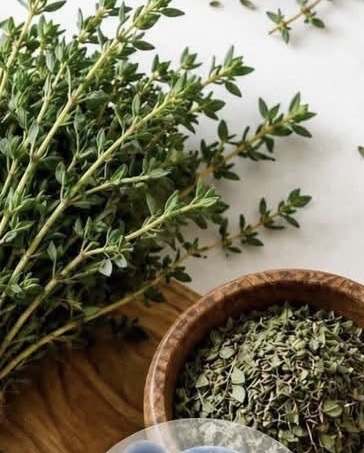
Thyme herbal tea is a fragrant, comforting drink made from fresh or dried thyme leaves steeped in hot water. Commonly used in Mediterranean cooking, thyme has a distinctive earthy flavor and contains naturally occurring compounds, including thymol, that have been studied for their antioxidant and antimicrobial properties.
Although thyme has a long history of traditional use, it is important to distinguish traditional remedies from scientifically established treatments. Thyme tea is not a cure for herpes, influenza, urinary tract infections, arthritis, or parasitic infections. These conditions may require appropriate medical evaluation and treatment.
This simple thyme infusion is an easy way to enjoy the herb as part of a balanced lifestyle, especially during cold weather or whenever you want a warm, aromatic drink.
Recipe Overview
| Detail | Information |
| Preparation Time | 5 minutes |
| Steeping Time | 5–10 minutes |
| Total Time | 10–15 minutes |
| Servings | 1–2 cups |
| Difficulty | Easy |
| Main Ingredient | Fresh or dried thyme |
| Best Served | Warm |
Why You’ll Love This Recipe
This homemade thyme tea requires only a few simple ingredients and takes minutes to prepare. Its herbal aroma and gentle flavor make it a pleasant alternative to sugary drinks. You can enjoy it plain or add lemon and a little honey for extra flavor. It is also an easy way to use fresh thyme left over from cooking.
Ingredients
For the Thyme Herbal Tea
| Ingredient | Quantity |
| Fresh thyme sprigs | 3–4 small sprigs |
| Alternatively, dried thyme | 1 teaspoon |
| Freshly boiled water | 2 cups (480 ml) |
| Fresh lemon juice, optional | 1–2 teaspoons |
| Honey, optional | 1 teaspoon, to taste |
Ingredient note: Use culinary thyme from a reliable food source. Fresh thyme generally has a lighter, greener flavor, while dried thyme produces a more concentrated herbal taste.
Step-by-Step Instructions
Step 1: Prepare the Thyme
Rinse the fresh thyme sprigs under clean running water to remove any dirt or debris.
If using dried thyme, measure approximately 1 teaspoon and place it in a heatproof mug or teapot.
Step 2: Heat the Water
Bring 2 cups (480 ml) of water to a boil in a kettle or saucepan.
Remove the water from the heat and allow it to settle briefly before pouring it over the thyme.
Step 3: Steep the Herbal Infusion
Place the thyme in a mug or teapot and pour the hot water over it.
Cover and steep for 5–10 minutes. A shorter steep produces a milder flavor, while a longer steep creates a stronger herbal infusion.
Step 4: Strain the Tea
Strain the infusion through a fine-mesh sieve to remove the thyme leaves and stems.
Allow the tea to cool to a comfortable drinking temperature.
Step 5: Add Optional Flavorings
Add fresh lemon juice or a small amount of honey if desired. Stir well and taste before adding more.
Serve warm and enjoy slowly.
Best Tips for Making Thyme Tea
Use fresh, aromatic thyme whenever possible and avoid steeping it for too long if you prefer a mild flavor. Covering the mug while the tea steeps helps retain its aroma. Start with a small amount of thyme, particularly if you are unfamiliar with its taste. For a refreshing variation, add a thin slice of lemon after straining.
Best Ingredient Options
Fresh thyme provides a bright herbal aroma, while dried thyme is convenient and easy to store. Lemon adds acidity and freshness, and honey provides sweetness. You can also use plain thyme and water if you prefer a simple, unsweetened infusion. Avoid adding thyme essential oil to homemade tea, as concentrated essential oils are not equivalent to culinary thyme leaves and can be harmful if swallowed.
Recipe Variations
For lemon thyme tea, add a little fresh lemon juice after steeping. For a ginger-thyme infusion, add one or two thin slices of fresh ginger to the hot water. For a milder drink, combine a small thyme sprig with a few mint leaves. These variations change the flavor but should not be considered treatments for infections or chronic medical conditions.
What to Serve With Thyme Tea
Thyme tea pairs well with whole-grain toast, oatmeal, fresh fruit, or a light breakfast. It can also be enjoyed after a meal with a small serving of nuts or homemade biscuits. If you add honey, remember that it contributes additional sugar to the drink.
Make-Ahead Instructions
You can prepare the infusion in advance and refrigerate it in a clean, covered container. For the best flavor and food safety, refrigerate promptly and consume within 24 hours. Reheat gently if you prefer to drink it warm, or serve it chilled over ice.
Storage Instructions
Freshly prepared thyme tea is best enjoyed immediately. If you have leftovers, transfer them to a clean, covered container and refrigerate within two hours. Consume within 24 hours and discard the tea if its appearance or smell changes.
Reheating Instructions
Pour the refrigerated tea into a small saucepan and warm it gently over low heat, or heat a single serving in a microwave-safe mug. Avoid repeatedly reheating the same batch. Add lemon or honey after warming if desired.
Freezing Instructions
Freezing is generally unnecessary for such a quick infusion, but the tea can be frozen in an ice-cube tray if you want to use it later as a flavored beverage base. Transfer the frozen cubes to a freezer-safe container and use them within approximately 2 months for the best flavor. Thaw in the refrigerator or add directly to a suitable drink.
Common Mistakes to Avoid
Using too much thyme can make the infusion bitter or overpowering. Avoid boiling the thyme leaves for an extended period, as steeping is usually sufficient for a pleasant flavor. Do not use garden herbs that may have been exposed to pesticides or other contaminants. Most importantly, do not rely on thyme tea to diagnose, prevent, or cure medical conditions.
Nutrition Estimate
The following estimates are for one cup of unsweetened thyme infusion, assuming the leaves are strained out. Actual values vary depending on the amount of herb used and how much is extracted into the water.
| Nutrient | Estimated Amount |
| Calories | 0–5 kcal |
| Protein | Less than 0.5 g |
| Total Fat | 0 g |
| Carbohydrates | Less than 1 g |
| Sugar | 0 g |
| Fiber | 0 g |
| Sodium | 0–5 mg |
Adding one teaspoon of honey contributes approximately 20–22 calories and around 6 grams of sugar.
Frequently Asked Questions
What are the potential benefits of thyme tea?
Thyme contains plant compounds such as thymol and other phenolic substances that have been studied for antioxidant and antimicrobial activity, particularly in laboratory settings. However, laboratory findings do not establish that drinking thyme tea treats infections or other diseases. Evidence for specific health benefits from thyme tea itself remains limited.
Can thyme tea cure herpes or influenza?
No. Thyme tea has not been established as a cure for herpes or influenza. Herpes may require antiviral medication, and influenza treatment may include prescription antivirals for certain patients. Seek medical advice about appropriate care.
Does thyme tea treat urinary tract infections?
Thyme tea is not a proven treatment for urinary tract infections. These infections may require antibiotics, depending on the cause and clinical assessment. Seek prompt medical care if you suspect a UTI, especially if you have fever, back or side pain, vomiting, or worsening symptoms.
Can thyme tea relieve arthritis?
There is insufficient clinical evidence to conclude that drinking thyme tea treats arthritis or prevents joint damage. Anyone experiencing persistent joint pain, swelling, or stiffness should consult a healthcare professional about evidence-based treatment options.
Does thyme eliminate intestinal parasites?
No reliable clinical evidence shows that drinking thyme tea eliminates intestinal parasites. Suspected parasitic infections need appropriate testing and, when indicated, specific antiparasitic medication.
How often can I drink thyme tea?
There is no universally established therapeutic dose for thyme tea. If you are a healthy adult who enjoys it as a beverage, keep the infusion modest and follow any advice from your healthcare professional. Ask a clinician or pharmacist before using it regularly for medicinal purposes, particularly if you take medication or have an existing health condition.
Are there any precautions?
Thyme used in ordinary culinary amounts is generally well tolerated by many people, but allergic reactions and digestive discomfort are possible. Seek professional advice before using concentrated thyme preparations if you are pregnant or breastfeeding, have an allergy to related herbs, or take medication. Do not ingest thyme essential oil unless specifically directed by a qualified healthcare professional.
Can I drink thyme tea before bed?
You may enjoy a small, warm cup in the evening if it agrees with you. However, thyme tea has not been established as a treatment for insomnia or other sleep disorders.
Final Thoughts
Thyme herbal tea is a simple, aromatic infusion that can be enjoyed as part of a balanced diet. With just thyme and hot water, you can prepare a comforting drink in a few minutes and customize it with lemon, ginger, or a little honey.
While thyme contains interesting plant compounds, claims that it cures herpes, influenza, urinary tract infections, arthritis, or parasitic diseases are not supported by adequate clinical evidence. Enjoy this recipe for its flavor, not as a substitute for appropriate medical care.
Health disclaimer: This herbal infusion is not intended to diagnose, treat, cure, or prevent any disease. If you have persistent symptoms or suspect an infection, consult a qualified healthcare professional. Herbal preparations may not be suitable for everyone, so seek medical advice if you have concerns.
⚠️ This recipe may not be suitable for everyone, so it is advisable to consult a doctor.