
Introduction
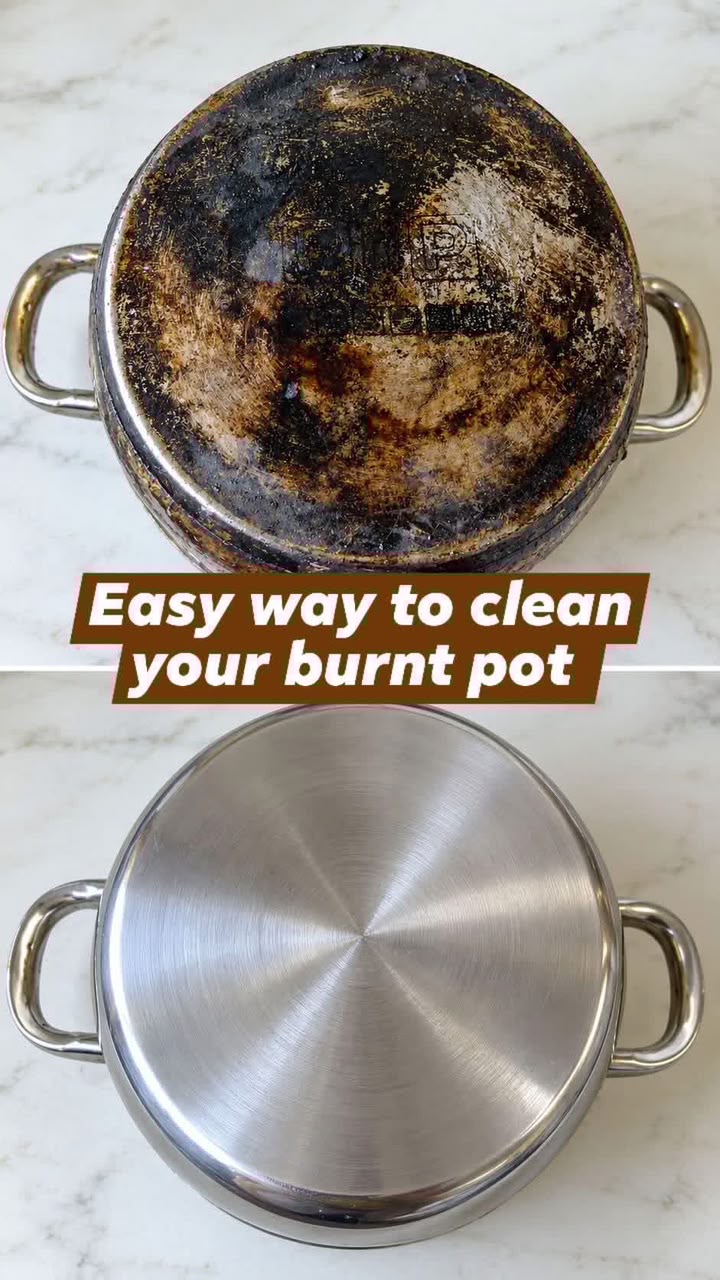
A burnt pot can be frustrating to clean, especially when stubborn grease, dark stains, and cooked-on residue refuse to come off with ordinary dish soap. Fortunately, a few common household cleaning supplies can help loosen grime and make scrubbing easier.
This simple DIY pot-cleaning method uses baking soda, dish soap, and white vinegar to tackle residue on the outside bottom of a pot. With a little patience and the right cleaning technique, you can refresh your cookware without relying on expensive cleaning products.
Before starting, check the manufacturer’s care instructions. Abrasive sponges and steel wool can scratch stainless steel finishes and damage nonstick coatings, aluminum, enamel, or other delicate surfaces.
Recipe Overview
| Detail | Information |
| Method | DIY cookware cleaning |
| Preparation Time | 5 minutes |
| Soaking Time | 15–30 minutes |
| Scrubbing Time | 5–10 minutes |
| Total Time | 25–45 minutes |
| Difficulty | Easy |
| Best For | Suitable cookware with burnt-on exterior residue |
| Main Supplies | Baking soda, dish soap, white vinegar |
| Estimated Cost | Low, depending on supplies already available |
Why You’ll Love This Cleaning Method
This homemade cleaning method uses affordable ingredients that many households already have in their kitchens. It can help loosen greasy residue and make cleaning a stained pot bottom more manageable.
The process is straightforward and requires very little preparation. Instead of scrubbing immediately, you allow the cleaning mixture to sit briefly so you can remove the residue with less effort.
It is also easy to adapt to different cleaning needs. By choosing a sponge suitable for your cookware, you can avoid unnecessary scratching while working on stubborn stains.
Ingredients and Supplies
| Ingredient or Supply | Quantity | Purpose |
| Baking soda | 2 tablespoons | Helps loosen grime and provides mild abrasive action |
| Dish soap | 1 tablespoon | Helps remove grease and oily residue |
| White vinegar | ½ cup | Helps dissolve some mineral deposits and loosen certain residues |
| Paper towels or cotton cloth | As needed | Keeps the cleaning mixture in contact with the surface |
| Soft sponge or non-scratch scrubber | 1 | Helps remove loosened residue |
| Warm water | As needed | Rinsing the pot thoroughly |
| Cleaning gloves | Optional | Helps protect hands during cleaning |
Important: Do not use steel wool on nonstick, coated, enamel, or polished surfaces. For delicate cookware, use a soft sponge and follow the manufacturer’s instructions.
Step-by-Step Instructions
Step 1: Prepare the Pot
Make sure the pot is completely cool before cleaning. Remove loose food particles and rinse away any surface dirt.
Turn the pot upside down on a stable surface if you are cleaning the exterior bottom. Keep the handle supported so the pot cannot slip while you work.
Step 2: Apply the Baking Soda
Sprinkle approximately two tablespoons of baking soda over the stained area. Spread it into a thin, even layer, paying particular attention to spots with visible grease or burnt residue.
Baking soda has mild abrasive properties that can help loosen grime during gentle scrubbing.
Step 3: Add Dish Soap
Drizzle one tablespoon of dish soap over the baking soda. Gently spread the mixture across the affected area using a soft sponge or your gloved fingers.
Dish soap helps break down greasy deposits, making them easier to remove during rinsing and scrubbing.
Step 4: Add the White Vinegar
Slowly pour approximately ½ cup of white vinegar over the mixture. Some bubbling may occur as the vinegar reacts with the baking soda.
This reaction is expected, but the fizzing itself does not guarantee better cleaning. Avoid leaning directly over the mixture, and never combine this method with bleach or other cleaning chemicals.
Step 5: Let the Mixture Sit
If needed, place damp paper towels over the stained exterior surface to keep the mixture in contact with the residue. Add a small amount of vinegar to moisten the towels.
Allow the mixture to sit for 15–30 minutes. Do not leave acidic cleaning solutions on cookware longer than recommended by the manufacturer, particularly if the surface is aluminum or otherwise acid-sensitive.
Step 6: Gently Scrub the Stains
Remove the paper towels and use a suitable sponge to scrub the stained area in small circular motions.
Begin with gentle pressure. If the residue remains, repeat the soaking process rather than immediately switching to a harsher abrasive.
For stainless steel, use a non-scratch pad appropriate for the finish. For nonstick or coated cookware, avoid abrasive pads entirely.
Step 7: Rinse and Dry
Rinse the pot thoroughly with warm water to remove all traces of baking soda, vinegar, and dish soap.
Dry the surface with a clean towel and inspect the result. If some staining remains, repeat the gentle process if the cookware manufacturer’s care instructions permit it.
Best Tips
Always identify the material of your cookware before using a cleaning method. Stainless steel, cast iron, aluminum, enamel, and nonstick cookware each have different cleaning requirements, and the wrong abrasive can cause permanent damage.
Let the mixture do the work instead of applying excessive pressure. A short soaking period followed by gentle scrubbing is often safer than aggressive scraping.
For stubborn exterior stains, repeat the cleaning process rather than using increasingly harsh tools. Patience can help protect the pot’s finish and extend its useful life.
Best Ingredient Options
Baking soda: Regular household baking soda is suitable for this method. Avoid confusing it with baking powder, which contains additional ingredients.
Dish soap: A standard grease-cutting dishwashing liquid works well for oily residue. Use a small amount to prevent excessive suds.
White vinegar: Ordinary white vinegar is generally sufficient for this cleaning method. Avoid using vinegar on cookware surfaces that the manufacturer identifies as acid-sensitive.
Soft sponge: A non-scratch sponge is the safest starting point for most cookware. Always check that it is compatible with the surface you are cleaning.
Microfiber cloth: Use a clean microfiber cloth to dry the pot and remove remaining water marks.
Cleaning Variations
For lightly greasy stains, mix a few drops of dish soap with warm water and clean the surface using a soft sponge. This is often enough for everyday maintenance.
For suitable stainless steel cookware with stubborn residue, apply a paste made from baking soda and a small amount of water. Let it sit briefly, then rub gently with a non-scratch sponge and rinse thoroughly.
For mineral deposits on cookware that is safe for acidic cleaners, diluted white vinegar may help loosen the deposits. Check the manufacturer’s instructions first, especially for aluminum and coated surfaces.
For nonstick cookware, use warm water, dish soap, and a soft sponge only. Avoid steel wool, abrasive powders, and aggressive scraping that can damage the coating.
What to Use This Method On
This technique may be suitable for certain uncoated stainless steel pots with exterior grease and burnt-on residue, provided the manufacturer’s cleaning guidance permits baking soda and vinegar.
For nonstick cookware, use a gentler dish-soap cleaning method. For cast iron, avoid soaking it in vinegar or water for extended periods because this can damage its seasoning and encourage rust.
For aluminum, copper, enamel, and specialty cookware, check the manufacturer’s instructions before using acidic or abrasive cleaners.
Make-Ahead Instructions
There is no need to prepare this cleaning mixture in advance. For the best results, combine the ingredients immediately before cleaning.
Do not store the baking soda, dish soap, and vinegar mixture in a sealed container. The reaction can release carbon dioxide gas and create pressure in a closed container.
If you need to clean several pots, work on one item at a time and prepare a fresh mixture as needed.
Storage
Store baking soda, dish soap, and white vinegar separately in their original containers according to their labels.
Keep all cleaning supplies away from children and pets. Never store a homemade cleaning mixture in a beverage bottle or another container that could be mistaken for food or drink.
Reusing the Cleaning Mixture
This mixture is best used immediately. Once the vinegar reacts with the baking soda, much of the initial fizzing subsides, and the mixture is no longer the same as the original ingredients.
Discard the used mixture according to local guidance, rinse the cleaning area, and wash reusable sponges after use. Do not save the mixture for future cleaning.
Safety Precautions
Never mix vinegar with chlorine bleach, ammonia-based cleaners, or other cleaning products unless the product labels explicitly confirm that the combination is safe. Dangerous fumes can result from incompatible chemicals.
Avoid vigorous scrubbing that may splash the mixture into your eyes. Wear cleaning gloves if your skin is sensitive, and rinse your hands after finishing.
Keep the pot stable while cleaning, and never apply this method to hot cookware. If the pot has a damaged coating, exposed metal, or other signs of deterioration, follow the manufacturer’s guidance before attempting further cleaning.
Common Mistakes to Avoid
Using steel wool on every type of pot is a common mistake. Although it may remove stubborn grime from some durable surfaces, it can scratch stainless steel finishes and severely damage nonstick or enamel coatings.
Leaving vinegar on a sensitive metal surface for too long can cause discoloration or corrosion. Check the material first and avoid extended contact with acidic solutions.
Expecting the fizzing reaction to remove all burnt residue automatically can also lead to disappointment. The bubbling is temporary, and gentle mechanical cleaning is still usually necessary.
Finally, never mix this method with bleach or other household cleaning chemicals. Use one cleaning method at a time, rinse thoroughly, and follow product labels.
Cleaning Results: What to Expect
| Type of Residue | What May Help |
| Light grease | Dish soap and warm water |
| Mild burnt-on residue | Baking soda paste and gentle scrubbing |
| Some mineral deposits | A suitable diluted vinegar treatment, if the cookware permits it |
| Heavy, carbonized buildup | Repeated gentle cleaning or a manufacturer-approved cookware cleaner |
| Stains on nonstick coatings | Soft sponge and dish soap only |
Results depend on the cookware material, the age of the stain, and how heavily the residue is burnt on. Some discoloration may be permanent even after the surface is clean.
Frequently Asked Questions
Does baking soda and vinegar clean a burnt pot?
They may help loosen some residue, especially when combined with dish soap and gentle scrubbing. However, the fizzing reaction does not guarantee that every burnt stain will disappear.
How long should I leave the mixture on the pot?
A short period of 15–30 minutes may help with suitable cookware. For acid-sensitive metals or coated surfaces, check the manufacturer’s instructions first and use a gentler alternative when necessary.
Can I use steel wool?
Only if the cookware manufacturer confirms that steel wool is suitable for that specific surface. It can scratch polished stainless steel and damage nonstick, enamel, and other delicate finishes.
Can I use this method on a nonstick pan?
It is safer to avoid the baking soda and abrasive scrubbing method on nonstick coatings. Use warm water, dish soap, and a soft sponge, following the manufacturer’s care instructions.
Is white vinegar safe for every pot?
No. Vinegar is acidic and may damage certain materials or finishes, including some aluminum and specialty cookware. Check the manufacturer’s recommendations before using it.
What if the burnt stains do not come off?
Rinse the surface thoroughly and try a suitable manufacturer-approved cleaner. Avoid metal scrapers and harsh abrasives unless the cookware instructions specifically permit them.
Can I use the mixture inside the pot?
The method described here is intended for exterior residue. For the inside of a pot, choose a cleaning method appropriate to its material and any food-contact instructions provided by the manufacturer.
Can I combine vinegar and baking soda with bleach?
No. Never add bleach to this mixture or combine it with other incompatible cleaners. Keep cleaning products separate and follow their labels.
Final Thoughts
Cleaning the burnt bottom of a pot does not always require an expensive specialty product. Baking soda, dish soap, and white vinegar may help loosen certain stains when used carefully on compatible cookware.
The most important step is choosing a cleaning method that matches the pot’s material. Start with gentle cleaning, allow time for the residue to soften, and avoid harsh abrasives that could damage the finish.
With the right approach, regular cookware maintenance becomes easier, helping your pots stay clean and ready for everyday cooking.