
Introduction
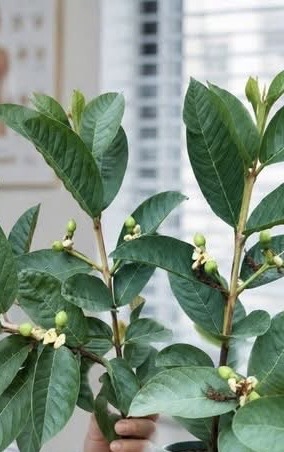
Guava leaf tea is a traditional herbal drink prepared from fresh or dried guava leaves. Known for its mild, earthy flavor, this simple homemade infusion has been enjoyed in different cultures for generations.
Guava leaves contain naturally occurring plant compounds, including flavonoids, tannins, and other antioxidants. These compounds have attracted scientific interest because of their potential role in supporting overall wellness.
Some preliminary research has explored guava leaf extracts in relation to blood sugar metabolism, cholesterol levels, and digestive health. However, drinking guava leaf tea has not been proven to prevent or treat diabetes, kidney disease, liver disease, high blood pressure, or high cholesterol.
If you enjoy natural herbal drinks, this easy guava leaf tea recipe is a simple way to prepare a warm, refreshing beverage at home.
Recipe Overview
| Category | Details |
| Recipe Name | Guava Leaf Tea |
| Preparation Time | 5 minutes |
| Cooking Time | 10–15 minutes |
| Total Time | 15–20 minutes |
| Servings | 2 cups |
| Main Ingredient | Fresh guava leaves |
| Cooking Method | Stovetop simmering |
| Difficulty | Easy |
| Flavor | Mild, earthy, slightly herbal |
| Best Served | Warm or chilled |
Why You’ll Love This Recipe
This homemade herbal tea requires only a few simple ingredients and does not contain artificial flavors, preservatives, or added sugar.
It is an affordable alternative to many packaged herbal tea products and can easily become part of a balanced daily beverage routine.
Guava leaves naturally contain antioxidant compounds, making them an interesting ingredient for people who enjoy exploring traditional herbal drinks and plant-based wellness recipes.
You can also customize the flavor with lemon, ginger, cinnamon, or a little honey.
Ingredients
Main Ingredients
| Ingredient | Quantity | Purpose |
| Fresh guava leaves | 6–8 medium leaves | Main herbal ingredient |
| Water | 2 cups (480 ml) | Tea base |
| Fresh lemon juice | 1 teaspoon (optional) | Adds freshness |
| Honey | 1 teaspoon (optional) | Natural sweetness |
| Fresh ginger | 2–3 thin slices (optional) | Adds warming flavor |
Ingredient Notes
Choose clean, healthy guava leaves without visible mold, insects, or chemical residue. Use only leaves from a plant that you can confidently identify as guava.
Step-by-Step Instructions
Step 1: Prepare the Guava Leaves
Select 6–8 fresh guava leaves. Rinse them thoroughly under clean running water to remove dust, dirt, and other impurities.
Gently pat them dry with a clean kitchen towel.
If the leaves are particularly large, tear them into smaller pieces to help release their natural flavor during simmering.
Step 2: Heat the Water
Pour 2 cups (480 ml) of drinking water into a small saucepan.
Place the saucepan over medium heat and bring the water to a gentle boil.
Step 3: Add the Guava Leaves
Add the prepared guava leaves to the boiling water.
Reduce the heat to low and allow the mixture to simmer gently for approximately 10–15 minutes.
The water will gradually develop a light golden or greenish-brown color.
Step 4: Strain the Tea
Remove the saucepan from the heat.
Allow the tea to cool slightly before pouring it through a fine-mesh strainer into two cups.
Discard the used leaves.
Step 5: Add Optional Flavorings
If desired, add a little fresh lemon juice, ginger, or honey.
Stir gently until everything is combined.
Step 6: Serve
Enjoy your homemade guava leaf tea warm.
You can also refrigerate it and serve it over ice for a refreshing herbal beverage.
Best Tips
Always use correctly identified guava leaves from a clean, reliable source. Washing the leaves thoroughly is important, especially when they come directly from a garden or outdoor plant.
Avoid boiling the leaves for too long because prolonged cooking can produce a stronger, more bitter flavor. A gentle simmer of 10–15 minutes is generally sufficient for this beverage.
Prepare small batches whenever possible to enjoy the tea fresh. If you prefer a lighter flavor, reduce the simmering time or use fewer leaves.
Best Ingredient Options
Fresh guava leaves are the traditional choice for this recipe, but properly dried guava leaves can also be used. For dried leaves, start with approximately 1–2 teaspoons per 2 cups of water.
Filtered drinking water is a good option because it allows the natural herbal flavor to remain noticeable.
Fresh lemon juice provides a bright citrus flavor, while ginger adds a warming note. Honey can be used for sweetness, but it is optional.
If you monitor your blood sugar, remember that honey is still an added sugar and should be considered in your overall dietary plan.
Recipe Variations
For a refreshing citrus version, add fresh lemon juice and a small piece of lemon peel after straining the tea.
For a ginger-flavored version, simmer two or three thin slices of fresh ginger with the guava leaves.
If you enjoy aromatic herbal beverages, add a small cinnamon stick during simmering for a warmer flavor.
For a chilled summer version, prepare the tea as directed, allow it to cool completely, and refrigerate before serving over ice.
What to Serve With
Guava leaf tea pairs nicely with whole-grain toast, fresh fruit, oatmeal, or a light breakfast. Its mild herbal flavor also complements simple homemade snacks and healthy afternoon treats.
For a balanced diet, enjoy it alongside foods containing fiber, protein, and healthy fats rather than relying on herbal drinks as a substitute for nutritious meals.
Make-Ahead Instructions
You can prepare guava leaf tea in advance by following the recipe and allowing it to cool completely.
Transfer the strained tea into a clean, covered glass container and refrigerate promptly.
For the best flavor, prepare only the amount you expect to drink within a short period.
Storage
Store leftover guava leaf tea in an airtight glass container in the refrigerator at or below 40°F (4°C).
For food safety, consume it within 24–48 hours and discard it if the smell, appearance, or taste changes.
Do not leave prepared herbal tea sitting at room temperature for extended periods.
Reheating
Pour the desired amount into a small saucepan and warm gently over low heat until it reaches your preferred drinking temperature.
You can also use a microwave-safe cup and heat in short intervals, stirring carefully between intervals.
Avoid repeatedly boiling the tea, as this may affect its flavor.
Freezing
Although freezing is not necessary, you can freeze leftover tea in clean ice cube trays.
Once frozen, transfer the cubes into a freezer-safe container.
Use the frozen tea cubes within approximately 1–2 months for the best flavor. Thaw them in the refrigerator or add them directly to cold beverages.
Common Mistakes to Avoid
Using unidentified leaves is one of the most important mistakes to avoid. Never prepare herbal tea from a plant based only on a photograph or an uncertain identification.
Using leaves that may have been exposed to pesticides or other chemicals can also create unnecessary risks. Always choose leaves from a reliable source.
Simmering the leaves for too long may make the tea unpleasantly bitter. Follow the recommended cooking time and adjust according to your taste.
Another common mistake is assuming that a natural herbal drink can replace prescribed medication. Guava leaf tea is a beverage, not an established treatment for diabetes, high cholesterol, high blood pressure, or liver and kidney conditions.
Nutrition Estimate
The following estimates are for one cup of unsweetened guava leaf tea. Actual values may vary depending on the leaves and preparation method.
| Nutrient | Estimated Amount |
| Calories | 0–5 kcal |
| Total Fat | 0 g |
| Saturated Fat | 0 g |
| Carbohydrates | 0–1 g |
| Sugar | 0 g |
| Protein | 0 g |
| Fiber | 0 g |
| Sodium | 0–5 mg |
Adding honey will increase the calorie and sugar content.
Frequently Asked Questions
1. What is guava leaf tea?
Guava leaf tea is an herbal infusion made by steeping or simmering fresh or dried leaves from the guava plant in hot water.
2. What are the potential benefits of guava leaf tea?
Guava leaves contain naturally occurring antioxidants and plant compounds. Preliminary research has investigated guava leaf preparations in connection with blood sugar regulation, cholesterol metabolism, and digestive health. However, evidence from studies of extracts does not establish that ordinary guava leaf tea provides these health benefits.
3. Can guava leaf tea lower blood sugar?
Some preliminary studies have investigated guava leaf preparations and post-meal blood glucose. However, there is insufficient evidence to recommend guava leaf tea as a treatment for diabetes or as a replacement for prescribed blood sugar medication.
4. Is guava leaf tea good for kidney health?
There is not enough reliable human evidence to establish that guava leaf tea improves kidney function or treats kidney disease. People with kidney conditions should consult their healthcare professional before using herbal products regularly.
5. Can I drink guava leaf tea every day?
There is no well-established safe daily amount for guava leaf tea. Occasional consumption as a beverage may be different from concentrated herbal extracts. Speak with a qualified healthcare professional before making it a regular habit, especially if you take medication.
6. Can I use dried guava leaves?
Yes. Properly dried guava leaves can be used instead of fresh leaves. Start with 1–2 teaspoons for 2 cups of water and adjust the flavor to your preference.
7. Can I drink guava leaf tea without sugar?
Absolutely. The tea can be enjoyed without added sugar, honey, or artificial sweeteners.
8. Who should be careful with guava leaf tea?
People taking medication for diabetes or blood pressure, individuals with liver or kidney conditions, pregnant or breastfeeding women, and anyone with known allergies should seek medical advice before consuming guava leaf preparations regularly.
Final Thoughts
Guava leaf tea is a simple homemade herbal beverage with a mild, earthy flavor and a long history of traditional use. With just fresh guava leaves and water, you can prepare a comforting drink in approximately 15–20 minutes.
Although guava leaves contain interesting natural plant compounds, more high-quality human research is needed to establish the health effects and safe intake of guava leaf tea.
Enjoy this beverage as part of a balanced lifestyle, and always prioritize evidence-based healthcare, nutritious food, regular physical activity, and professional medical guidance.
⚠️This recipe may not be suitable for everyone, so it is advisable to consult a doctor.