
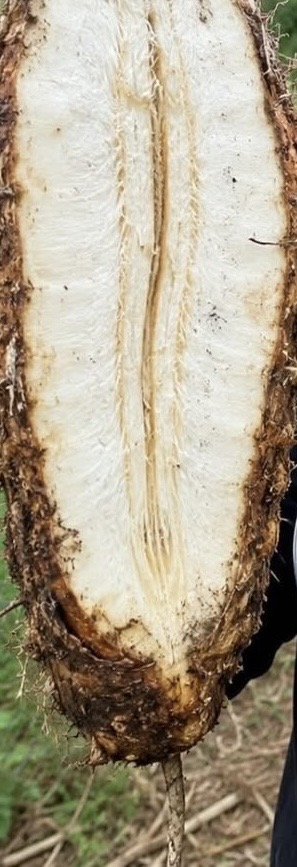
Cassava is a starchy root vegetable enjoyed in many cuisines around the world. When properly prepared and thoroughly cooked, it can be served as a comforting side dish, mashed like potatoes, or fried until golden and crispy.
However, cassava should never be eaten raw. Proper peeling, preparation, and cooking are important because some varieties naturally contain cyanogenic compounds that can release cyanide.
It is also important to clarify a common claim circulating online: cassava, yams, or any other plant root cannot cure cancer in 48 hours, and no root vegetable should be presented as a replacement for chemotherapy or other evidence-based cancer treatment. Viral posts making such claims are misleading.
Recipe Overview
| Category | Details |
| Recipe | Simple Boiled Cassava |
| Preparation Time | 10–15 minutes |
| Cooking Time | 20–30 minutes |
| Total Time | About 35–45 minutes |
| Servings | 4 |
| Difficulty | Easy |
| Method | Boiling |
| Best For | Side dishes, mashed cassava, or further cooking |
Why You’ll Love This Recipe
Boiled cassava has a soft, hearty texture and a mild flavor that works beautifully with savory meals.
It is naturally filling and can be served as an alternative to potatoes, rice, or other starchy side dishes.
The preparation is simple, requiring only cassava, water, and salt.
Once boiled until tender, cassava can also be mashed with butter or olive oil, seasoned with herbs, or cooked again to create crispy fried pieces.
Ingredients
For the Cassava
| Ingredient | Amount |
| Fresh cassava root | 1 kg |
| Water | Enough to cover |
| Salt | 1–2 teaspoons |
Optional Serving Ingredients
| Ingredient | Amount |
| Butter or olive oil | 1–2 tablespoons |
| Fresh parsley | 1 tablespoon, chopped |
| Black pepper | To taste |
| Garlic | 1 clove, finely minced |
| Lemon juice | 1–2 teaspoons |
Step-by-Step Instructions
1. Choose and Prepare the Cassava
Choose firm cassava roots without extensive soft spots, mold, or signs of spoilage.
Rinse the roots under cool running water to remove dirt from the surface.
2. Peel Thoroughly
Using a sturdy vegetable peeler or knife, remove the thick brown outer skin.
Continue peeling until the inner white flesh is exposed. Remove the outer skin and the underlying discolored layer rather than leaving the peel attached.
Cut away any dark, damaged, or questionable portions.
3. Cut Into Pieces
Cut the peeled cassava into manageable pieces, approximately 7–10 cm long.
If the pieces are particularly thick, you can cut them lengthwise.
4. Boil Thoroughly
Place the cassava pieces in a large saucepan and cover them completely with fresh water.
Add the salt.
Bring the water to a full boil, then reduce the heat slightly and continue cooking for approximately 20–30 minutes, or until the cassava is completely tender when pierced with a fork.
Cooking time can vary depending on the size, age, and variety of the root.
5. Drain and Remove the Center Fibrous Core
Once tender, carefully drain the cooked cassava.
Allow it to cool enough to handle safely, then remove the tough fibrous core running through the center if present.
Discard any pieces that remain unusually hard or appear abnormal.
6. Serve
Serve the boiled cassava warm as a side dish.
For extra flavor, toss it with a little butter or olive oil, black pepper, fresh parsley, garlic, or a small amount of lemon juice.
Best Tips
Always peel cassava completely before cooking. The outer layers should not be eaten.
Never taste cassava while it is raw or undercooked. Thorough cooking is an essential part of its preparation.
Cutting the root into smaller pieces helps it cook more evenly and makes it easier to check for tenderness.
If the cassava remains hard after the recommended cooking time, continue cooking until completely tender rather than serving it undercooked.
If you are unfamiliar with a particular root variety, confirm its identity before preparing it. Cassava and yams are different plants and should not automatically be treated as interchangeable.
Best Ingredient Options
Fresh cassava is the traditional choice for this recipe. Look for firm roots with clean, healthy-looking flesh.
For a richer side dish, use butter after cooking.
For a lighter preparation, use extra-virgin olive oil and fresh herbs.
Garlic, parsley, black pepper, and lemon can add plenty of flavor without making the dish complicated.
Recipe Variations
For creamy mashed cassava, boil the root until very tender, remove the fibrous center, and mash it with butter or olive oil.
For garlic cassava, toss the cooked pieces with sautéed garlic, olive oil, and chopped parsley.
For crispy cassava, boil the pieces until tender, drain them thoroughly, then allow them to cool before preparing them for a second cooking method such as baking or frying.
For a fresh version, serve warm cassava with lemon juice, parsley, olive oil, and a little black pepper.
What to Serve With
Boiled cassava pairs well with grilled or roasted beef, chicken, fish, and vegetable dishes.
It can also be served alongside stews, sauces, roasted vegetables, or legumes.
Mashed cassava makes a hearty alternative to traditional mashed potatoes and works particularly well with rich savory sauces.
Make-Ahead Instructions
Cassava can be peeled and cut shortly before cooking.
If preparing it ahead of time, keep the prepared pieces refrigerated in fresh water and cook them as soon as practical.
Cooked cassava can also be refrigerated for later use. Cool it promptly and store it in a covered container.
Storage
Store leftover cooked cassava in an airtight container in the refrigerator.
For best quality, use refrigerated leftovers within a few days.
Do not keep cooked cassava at room temperature for extended periods.
Reheating
Reheat cooked cassava thoroughly before serving.
You can warm it gently in a saucepan, microwave it, or cook it again in a skillet with a small amount of oil.
Adding a splash of water while reheating can help prevent the pieces from becoming too dry.
Freezing
Cooked cassava can be frozen for longer storage.
Allow it to cool completely, portion it into freezer-safe containers or bags, and remove as much excess air as possible.
Thaw it safely in the refrigerator before reheating.
Common Mistakes to Avoid
Do not eat cassava raw. Raw cassava can contain naturally occurring cyanogenic compounds.
Do not leave the thick outer peel attached during cooking.
Do not serve cassava while it is still firm or undercooked.
Do not assume that a viral social-media recipe claiming to cure cancer is medically reliable.
Do not use cassava or any other food as a substitute for prescribed cancer treatment.
Nutrition Estimate
Nutrition varies according to the variety of cassava and the serving size.
| Nutrient | Approximate Amount per Serving |
| Calories | 250–300 kcal |
| Carbohydrates | 55–65 g |
| Protein | 2–3 g |
| Fat | Less than 1 g |
| Fiber | 2–4 g |
| Sodium | Depends on added salt |
These values are estimates and can vary considerably depending on preparation and portion size.
Frequently Asked Questions
Can you eat cassava raw?
No. Cassava should not be eaten raw. It should be properly peeled and thoroughly cooked before consumption.
How long should cassava be boiled?
Pieces generally require around 20–30 minutes, although cooking time can vary. The important point is that the cassava must become completely tender.
Is cassava the same as yam?
No. Cassava and yam are different root crops. Some viral images can make identification difficult, so it is important to correctly identify the root before preparing it.
Can cassava cure cancer?
No. There is no reliable evidence that cassava can cure cancer in 48 hours or replace established cancer treatments such as chemotherapy when those treatments are medically indicated.
Why is cassava cooked before eating?
Proper preparation and thorough cooking reduce the naturally occurring cyanogenic compounds found in cassava.
Can boiled cassava replace potatoes?
Yes. From a culinary perspective, boiled cassava can be used in many of the same ways as potatoes, including as a side dish or mashed preparation.
Can I fry boiled cassava?
Yes. After thoroughly boiling and draining the cassava, it can be prepared using another cooking method, such as baking or frying, depending on the recipe.
Final Thoughts
Cassava can be a delicious and versatile starchy vegetable when it is correctly identified, thoroughly peeled, and properly cooked.
The most important rule is simple: never eat cassava raw or undercooked.
And when it comes to health claims, be especially cautious with viral social-media posts. A recipe or plant-based food can be part of a balanced diet, but it should not be presented as a rapid cure for cancer or as a replacement for medically validated treatment.
⚠️ This recipe may not be suitable for everyone, so it is advisable to consult a doctor, especially if you have a medical condition, are undergoing cancer treatment, or have concerns about consuming cassava.