
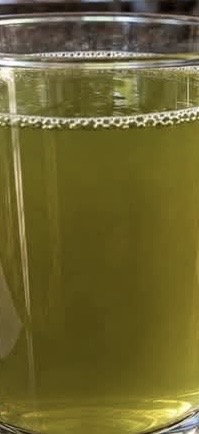
Clove water is a simple homemade infusion prepared with whole cloves and water. Cloves have a warm, spicy aroma and contain naturally occurring compounds, including eugenol, that have been studied for their antioxidant properties.
This easy recipe requires just two ingredients and a few minutes of preparation. The main ingredient is allowed to infuse into the water before the mixture is strained and refrigerated.
Although clove water is sometimes used as a traditional home remedy, it should not be considered a proven treatment for digestive problems, inflammation, weight loss, or other health conditions. The safest approach is to use it cautiously and avoid highly concentrated preparations.
Recipe Overview
| Recipe Detail | Information |
| Recipe Name | Homemade Clove Water |
| Preparation Time | 5 minutes |
| Infusion Time | Traditionally 3 days, but a shorter refrigerated infusion is preferable for food safety |
| Total Time | About 5 minutes of active preparation, plus infusion |
| Servings | Approximately 4 cups |
| Main Ingredients | Whole cloves and water |
| Flavor | Warm, aromatic, and slightly spicy |
| Storage | Refrigerate promptly in a clean, sealed container |
Why You’ll Love This Recipe
Simple ingredients. You only need whole cloves and water to prepare this aromatic homemade infusion.
Easy preparation. There is no complicated cooking process. Simply prepare the ingredients, infuse the cloves, and strain the liquid.
Naturally aromatic. Whole cloves give the water a distinctive warm, spicy flavor without the need for added sugar.
Easy to customize. You can adjust the number of cloves to create a milder or stronger flavor, while avoiding excessively concentrated preparations.
Ingredients
1. Whole cloves
Use 1 teaspoon to 1 tablespoon of whole cloves for a mild infusion, adjusting according to taste. The original version uses 1–2 tablespoons per liter, which can produce a strong infusion.
2. Water
Use 4 cups (1 liter) of safe drinking water. Clean, fresh water helps maintain the flavor and quality of the finished infusion.
Step-by-Step Instructions
Step 1: Prepare the cloves
Measure the whole cloves. Remove any visible debris and discard cloves that appear moldy or contaminated. If needed, rinse them briefly with clean drinking water.
Step 2: Add the water
Place the cloves in a clean glass jar or bottle. Pour in 4 cups (1 liter) of drinking water and close the container with a clean lid.
Step 3: Let the cloves infuse
Place the covered jar in the refrigerator rather than leaving it at room temperature for three days. Allow the cloves to infuse for several hours, or overnight, for a more pronounced flavor.
Step 4: Strain the infusion
Pour the liquid through a clean, fine-mesh strainer to remove the cloves. Transfer the strained water into a clean, covered container.
Step 5: Serve and enjoy cautiously
Serve the infusion chilled or gently warmed. Start with a small amount if you choose to drink it, and discontinue use if you experience discomfort.
Best Tips for Homemade Clove Water
Use whole cloves rather than clove essential oil. Essential oils are highly concentrated and should not be added to drinking water as a homemade remedy.
Keep the infusion refrigerated while it steeps. Leaving homemade infused water at room temperature for several days can increase the risk of microbial growth.
Use a clean jar, lid, and strainer to help reduce contamination. Prepare small batches so you can use the infusion while it is fresh.
Remember that a stronger flavor does not necessarily mean greater health benefits. Avoid making the mixture excessively concentrated.
Best Ingredient Options
Whole cloves: Choose clean, dry cloves with a strong, characteristic aroma. Store unused cloves in an airtight container away from heat and moisture.
Drinking water: Filtered or otherwise safe drinking water works well. If you boil water first, allow it to cool in a clean, covered container before adding the cloves.
Optional flavor additions: A small slice of fresh ginger or a piece of lemon peel can add flavor. These additions are optional and do not turn the drink into a proven medical treatment.
Recipe Variations
Mild clove water: Use a smaller quantity of cloves and infuse for a shorter period to create a gentler flavor.
Clove and ginger water: Add a thin slice of fresh ginger for a warmer, spicier taste.
Clove and lemon water: Add a small piece of lemon peel or a little fresh lemon juice just before serving.
Warm clove infusion: Prepare a fresh, warm infusion by steeping a few whole cloves in hot water for several minutes, then strain. Allow it to cool to a comfortable drinking temperature.
What to Serve With Clove Water
Clove water can be enjoyed on its own if you like its distinctive spice flavor. It can also be served alongside breakfast, a light snack, or a meal.
For a refreshing drink, serve it chilled without added sugar. If you prefer a warmer beverage, gently heat a small serving without boiling it for a prolonged period.
Make-Ahead Instructions
You can prepare a small batch in advance and allow the cloves to infuse in the refrigerator. For the best quality, prepare only what you expect to use within a short period.
Strain the cloves once the desired flavor develops, then return the liquid to a clean, covered container and refrigerate it promptly.
Storage
Keep clove water in a clean, sealed container in the refrigerator at or below 40°F (4°C).
Because this is a homemade infusion without a validated preservation process, it is best to prepare small batches and use them within 24–48 hours. Discard the liquid if it develops an unusual smell, visible mold, unexpected cloudiness, or other signs of spoilage. Do not taste it to determine whether it is safe.
Do not leave the infusion at room temperature for three days.
Reheating
If you prefer warm clove water, pour a small serving into a heat-safe cup and warm it gently. Avoid repeatedly heating and cooling the entire batch.
You can also prepare a fresh, hot clove infusion whenever you want a warm drink.
Freezing
Freezing is generally unnecessary for such a simple infusion. If you want to preserve a small quantity, freeze it in a clean, food-safe ice-cube tray and transfer the frozen cubes to a sealed freezer container.
Use clean utensils when handling the cubes, thaw only the amount needed, and discard any leftover thawed infusion rather than repeatedly refreezing it.
Common Mistakes to Avoid
Leaving the jar at room temperature for several days. Homemade infused water should be refrigerated during preparation to reduce food-safety risks.
Using clove essential oil. Essential oil is far more concentrated than whole cloves and can be harmful if swallowed improperly.
Assuming it treats medical conditions. Clove water has not been established as an effective treatment for diabetes, high blood pressure, digestive disease, or other medical conditions.
Making the infusion too strong. Large amounts of clove compounds may cause irritation or other adverse effects. More is not necessarily better.
Ignoring medication interactions. Cloves contain eugenol, which may affect bleeding. People taking anticoagulant or antiplatelet medicines, those with bleeding disorders, and people preparing for surgery should consult a healthcare professional before using concentrated clove preparations.
Nutrition Estimate
Unsweetened clove water contains very few calories because the whole cloves are removed after infusion. The exact nutritional content depends on the quantity of cloves and how long they steep.
| Nutrient | Estimated Amount per Cup |
| Calories | Very low |
| Carbohydrates | Very low |
| Fat | Negligible |
| Protein | Negligible |
| Added Sugar | 0 g |
These are qualitative estimates, not laboratory-tested nutritional values. The amount of compounds transferred from the cloves into the water varies.
Frequently Asked Questions
1. What is clove water?
Clove water is a homemade infusion made by steeping whole dried cloves in water. It has a warm, spicy flavor and is traditionally used in some households as a beverage.
2. Can I leave clove water for three days?
It is not advisable to leave homemade clove water at room temperature for three days. If you prepare it, keep it refrigerated while it infuses and use it promptly.
3. Can I drink clove water every day?
There is insufficient evidence to establish a safe or beneficial daily dose for homemade clove water. Regular use may not be appropriate for everyone, particularly people taking certain medications or those with medical conditions. Ask a healthcare professional if you are unsure.
4. Does clove water help with weight loss?
There is no reliable evidence that drinking clove water alone causes meaningful weight loss. Sustainable weight management depends on overall eating habits, physical activity, sleep, and other individual factors.
5. Can clove water improve digestion?
Cloves have a history of traditional use, but strong clinical evidence that clove water improves digestive conditions is lacking. Stop drinking it if it causes stomach discomfort.
6. Can I use ground cloves instead of whole cloves?
Whole cloves are easier to strain and usually produce a clearer infusion. Ground cloves can leave sediment and may create a more concentrated preparation, so whole cloves are preferable for this recipe.
7. Who should be cautious about clove water?
People taking blood-thinning medicines, those with bleeding disorders, people with upcoming surgery, pregnant or breastfeeding individuals, and anyone with a significant medical condition should seek professional advice before using clove preparations medicinally. Do not give concentrated clove preparations to children without guidance from a qualified healthcare professional.
Final Thoughts
Homemade clove water is easy to prepare with just whole cloves and drinking water. Refrigerating the infusion, using clean equipment, and preparing small batches help make the process safer.
Cloves contain naturally occurring compounds that researchers have studied, but laboratory findings do not prove that drinking clove water provides specific health benefits. Enjoy it as an optional flavored beverage rather than a substitute for medical care.
Important health warning: Use clove water in moderation. Concentrated clove products may cause adverse effects, and clove essential oil should not be swallowed as a homemade remedy. If you have a medical condition, take medication, or are unsure whether this drink is suitable for you, consult a healthcare professional before using it regularly.