
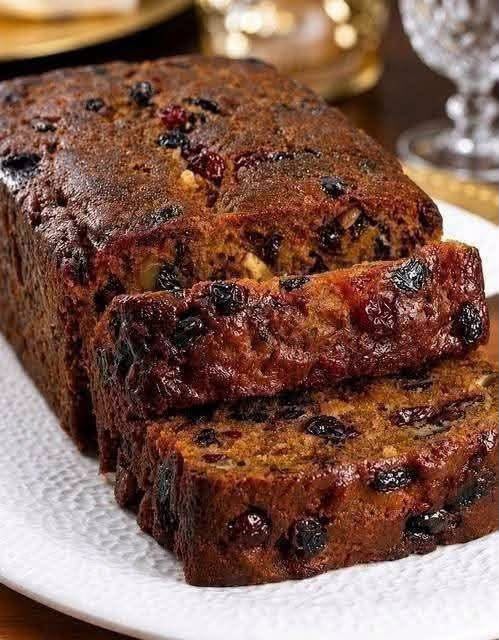
This Classic Moist Fruitcake is a delicious traditional loaf cake packed with sweet dried fruits, crunchy walnuts, warm spices, and a hint of fresh citrus. Made with butter, brown sugar, honey, and orange juice, this homemade fruitcake has a tender texture and rich flavor in every slice.
Unlike dry, crumbly fruitcakes, this recipe uses soaked dried fruit to help create a moist, flavorful crumb. Cinnamon, nutmeg, vanilla, and orange zest add a wonderful aroma, making it perfect for holidays, afternoon tea, family gatherings, or a cozy homemade treat.
Best of all, this traditional fruit loaf uses simple baking ingredients and straightforward instructions, so you can prepare a beautiful cake even if you’re not an experienced baker.
Recipe Overview
| Detail | Information |
| Recipe Name | Classic Moist Fruitcake |
| Cuisine | British-Inspired |
| Course | Dessert, Snack |
| Prep Time | 25 minutes |
| Fruit-Soaking Time | 1 hour or overnight |
| Cook Time | 75–90 minutes |
| Total Time | Approximately 2 hours 40 minutes, excluding overnight soaking |
| Servings | 10–12 slices |
| Difficulty | Easy to Moderate |
| Baking Temperature | 300°F (150°C) |
| Pan Size | 9 × 5-inch loaf pan |
| Main Ingredients | Dried fruit, walnuts, butter, flour, eggs |
| Flavor Profile | Sweet, fruity, nutty, warmly spiced |
| Calories | Approximately 350–430 per slice |
Why You’ll Love This Recipe
Naturally fruity and flavorful: A generous amount of raisins, cranberries, dates, and currants gives every slice a delicious combination of sweetness and texture.
Moist and tender texture: Soaking the dried fruit in orange or apple juice helps soften it and adds extra flavor to the cake.
Warm holiday spices: Cinnamon and nutmeg create a comforting aroma that makes this fruitcake especially enjoyable during the colder months.
Crunchy nuts in every bite: Walnuts or pecans provide a pleasant contrast to the soft fruit and tender cake.
Perfect for making ahead: The flavors develop beautifully after the cake rests, making it a convenient dessert to prepare before a gathering.
Easy to customize: You can change the dried fruits, choose your favorite nuts, or adjust the spices to create your own signature fruit loaf.
Ingredients
These quantities make one standard 9 × 5-inch fruitcake loaf.
For the Dried Fruit Mixture
| Ingredient | Quantity | Notes |
| Mixed dried fruits | 3 cups (450 g) | Raisins, dried cranberries, chopped dates, and dried currants |
| Orange juice or apple juice | 1 cup (240 ml) | For soaking the fruit |
| Orange zest | From 1 orange | Adds fresh citrus flavor |
For the Cake Batter
| Ingredient | Quantity | Notes |
| All-purpose flour | 2 cups (250 g) | Forms the cake structure |
| Baking powder | 1 teaspoon | Helps the cake rise |
| Baking soda | 1/2 teaspoon | Supports browning and texture |
| Ground cinnamon | 1 teaspoon | Adds warm spice |
| Ground nutmeg or allspice | 1/2 teaspoon | Adds depth of flavor |
| Salt | 1/2 teaspoon | Balances the sweetness |
| Chopped walnuts or pecans | 1 cup (150 g) | Adds crunch |
| Unsalted butter | 3/4 cup (170 g) | Softened to room temperature |
| Brown sugar | 1 cup (200 g) | Adds sweetness and moisture |
| Large eggs | 3 | At room temperature |
| Honey or molasses | 1/2 cup (120 ml) | Adds sweetness and richness |
| Pure vanilla extract | 1 teaspoon | Enhances the flavor |
Ingredient tip: Use good-quality dried fruit without excessive added sugar. If the fruit is very dry, allow it to soak longer so it softens before being added to the batter.
Step-by-Step Instructions
Step 1: Soak the dried fruit
Place the raisins, dried cranberries, chopped dates, and currants in a large bowl. Pour the orange juice or apple juice over the fruit and stir well.
Cover and let the mixture soak for at least 1 hour, or overnight in the refrigerator. The fruit should become plump and soft. If refrigerated overnight, bring it closer to room temperature before mixing the batter.
Step 2: Prepare the oven and loaf pan
Preheat the oven to 300°F (150°C). Grease a 9 × 5-inch loaf pan and line it with parchment paper, leaving a little overhang on the sides to make removing the cake easier.
Step 3: Mix the dry ingredients
In a large bowl, whisk together the flour, baking powder, baking soda, cinnamon, nutmeg or allspice, and salt.
Add the chopped walnuts or pecans and toss until evenly coated with the flour mixture. This helps distribute the nuts throughout the cake.
Step 4: Cream the butter and sugar
In a separate large bowl, beat the softened butter and brown sugar until the mixture looks lighter and fluffy.
Add the eggs one at a time, beating well after each addition. Mix in the honey or molasses, vanilla extract, and orange zest until smooth.
Step 5: Combine the ingredients
Gradually fold the dry ingredients into the butter mixture until just combined.
Add the soaked dried fruit along with any remaining juice. Stir gently until the fruit is evenly distributed throughout the thick batter. Avoid overmixing, which can make the cake dense.
Step 6: Fill the loaf pan
Transfer the batter to the prepared pan and spread it evenly with a spatula. Smooth the top gently so the cake bakes as evenly as possible.
Step 7: Bake the fruitcake
Bake at 300°F (150°C) for 75–90 minutes. Begin checking around the 75-minute mark by inserting a toothpick into the center. It should come out clean or with a few moist crumbs, not wet batter.
If the top browns too quickly, loosely cover it with aluminum foil for the remaining baking time.
Step 8: Cool, slice, and serve
Let the cake cool in the pan for 20 minutes. Carefully lift it out using the parchment paper and transfer it to a wire rack.
Allow it to cool completely before slicing with a sharp serrated knife. Serve plain or with a cup of tea or coffee.
Best Tips for a Moist Fruitcake
Soak the fruit properly. Give the dried fruit enough time to absorb the juice. This helps prevent hard, chewy pieces in the finished cake.
Use room-temperature ingredients. Softened butter and room-temperature eggs combine more evenly and help create a consistent batter.
Measure the flour accurately. Too much flour can make fruitcake dry and heavy. Weighing the flour is the most reliable method.
Fold the batter gently. Once the flour is added, mix only until the ingredients are combined to avoid developing too much gluten.
Distribute the fruit evenly. Tossing the nuts with the flour helps distribute them, while gently folding in the soaked fruit prevents it from collecting at the bottom.
Bake at a moderate temperature. The relatively low oven temperature gives this dense loaf time to cook through without browning too quickly on the outside.
Cool before slicing. Fruitcake can crumble when cut while warm. Letting it cool completely produces cleaner slices and a better texture.
Best Ingredient Options
Dried fruit: Raisins, currants, dried cranberries, chopped dates, dried apricots, and chopped figs are all suitable. Keep the total quantity close to 450 g.
Nuts: Walnuts and pecans provide classic fruitcake flavor. Chopped almonds or hazelnuts are also delicious alternatives.
Juice: Orange juice gives the cake a bright citrus note, while apple juice creates a milder, sweeter flavor.
Honey or molasses: Honey provides a gentle floral sweetness. Molasses creates a darker, more robust flavor and a deeper color.
Spices: Cinnamon and nutmeg are a classic combination. Ground ginger, allspice, or a small pinch of cloves can add extra warmth.
Butter: Unsalted butter allows you to control the salt level. If using salted butter, consider reducing the added salt slightly.
Citrus zest: Orange zest complements the dried fruit particularly well. Lemon zest creates a brighter, fresher flavor.
Recipe Variations
Christmas Fruitcake: Add chopped dried apricots, extra citrus zest, and a mixture of cinnamon, nutmeg, and allspice for a festive loaf.
Chocolate Chip Fruitcake: Fold 1/2 cup of dark chocolate chips into the batter for a richer dessert.
Tropical Fruit Loaf: Replace some of the raisins with chopped dried pineapple, mango, or coconut.
Apple Cinnamon Fruitcake: Use apple juice for soaking and add an extra pinch of cinnamon for a cozy autumn-inspired flavor.
Pecan Honey Fruitcake: Use pecans instead of walnuts and choose honey for a milder, buttery sweetness.
Citrus Fruitcake: Add finely chopped candied orange peel and a little lemon zest for a stronger citrus flavor.
What to Serve With Fruitcake
Tea or coffee: A slice of fruitcake pairs beautifully with black tea, green tea, or freshly brewed coffee.
Whipped cream: A small spoonful of lightly sweetened whipped cream makes the cake feel more like a special dessert.
Vanilla yogurt: Plain or lightly sweetened yogurt adds a cool, creamy contrast to the rich fruit and nuts.
Fresh fruit: Orange segments, sliced apples, or pears provide freshness alongside the dense cake.
Cream cheese spread: A thin layer of cream cheese can add a tangy contrast to the sweet loaf.
Warm custard: Serve a slice with warm vanilla custard for a traditional-style dessert.
Make-Ahead Instructions
Fruitcake is an excellent make-ahead dessert because its flavors can develop as it rests.
You can soak the dried fruit overnight in the refrigerator. You can also bake the cake a day ahead, cool it completely, and wrap it tightly before serving.
For the best texture, allow the cake to rest for several hours after baking before slicing. This gives the crumb time to settle and makes it easier to cut neat slices.
Storage
At room temperature: Once completely cool, wrap the fruitcake tightly or place it in an airtight container. Store in a cool, dry place for about 3–4 days, provided it has been baked thoroughly and handled safely.
In the refrigerator: Store in an airtight container for up to 1 week for best quality.
Allow refrigerated slices to sit at room temperature briefly before serving if you prefer a softer texture.
Because this recipe contains moist fruit and juice, do not assume it will keep for weeks like some traditional preserved fruitcakes. Discard it if you notice mold, unusual odors, or other signs of spoilage.
Reheating
Microwave: Place an individual slice on a microwave-safe plate and warm for about 10–15 seconds. Add a few seconds if necessary.
Oven: Wrap a slice loosely in foil and warm in a 300°F (150°C) oven for approximately 5–8 minutes.
Fruitcake is also delicious at room temperature, so reheating is completely optional.
Freezing
This fruitcake freezes well when wrapped properly.
Allow the loaf to cool completely, then wrap it tightly in plastic wrap followed by aluminum foil, or place slices in a freezer-safe airtight container.
Freeze for up to 2–3 months for best quality. For convenience, freeze individual slices so you can thaw only what you need.
Thaw overnight in the refrigerator or for a few hours at room temperature while still wrapped. Once thawed, keep the cake covered to prevent it from drying out.
Common Mistakes to Avoid
Skipping the fruit-soaking step: Dry fruit can remain tough and absorb moisture from the cake. Soak it in juice before adding it to the batter.
Using cold butter: Butter straight from the refrigerator will not cream properly with the sugar. Let it soften at room temperature first.
Adding too much soaking liquid without checking the batter: The recipe includes the remaining juice, but fruit moisture varies. If the fruit mixture contains a large amount of unabsorbed juice, add it gradually so the batter does not become excessively wet.
Overmixing the batter: Excessive mixing can produce a heavy, tough crumb. Fold the flour in gently.
Baking at too high a temperature: A hot oven can brown the exterior before the center is cooked. Keep the oven at 300°F (150°C) and check doneness carefully.
Removing the cake too early: The center needs to cook completely. Test it with a toothpick and allow additional baking time if wet batter remains.
Slicing while warm: Warm fruitcake can crumble. Wait until it has cooled completely for neat slices.
Nutrition Estimate
Approximate nutrition per slice, assuming 12 slices. Values vary depending on the dried fruit, nuts, butter, and sweetener used.
| Nutrient | Estimated Amount |
| Calories | 350–430 kcal |
| Protein | 5–7 g |
| Carbohydrates | 50–60 g |
| Total Fat | 14–19 g |
| Saturated Fat | 6–9 g |
| Fiber | 3–5 g |
| Total Sugars | 30–40 g |
| Sodium | 150–250 mg |
Frequently Asked Questions
1. Why is my fruitcake dry?
Fruitcake may become dry if too much flour is used, the fruit is not soaked properly, or the cake is baked for too long. Measure the ingredients carefully and start checking for doneness at 75 minutes.
2. Can I soak the dried fruit overnight?
Yes. Overnight soaking helps soften the fruit and develop its flavor. Cover the bowl and refrigerate it during the soaking period.
3. Can I use apple juice instead of orange juice?
Absolutely. Apple juice provides a mild, sweet flavor, while orange juice gives the fruitcake a brighter citrus note.
4. Can I make this fruitcake without nuts?
Yes. Simply omit the walnuts or pecans. You can replace them with additional dried fruit if desired, although the texture will be different.
5. How do I know when the fruitcake is done?
Insert a toothpick into the center of the loaf. It should come out clean or with a few moist crumbs rather than wet batter. The center should feel set, not liquid.
6. Can I use oil instead of butter?
Butter provides flavor and structure, so replacing it with oil may change the texture. For the most reliable results, use the butter specified in the recipe.
7. Can I make this recipe in a round cake pan?
Yes, but baking time will vary depending on the pan’s dimensions and the depth of the batter. Begin checking earlier if the batter is spread into a wider, shallower pan.
8. How long should fruitcake cool before slicing?
Allow it to cool in the pan for 20 minutes, then transfer it to a wire rack until completely cool. This helps the cake hold together when sliced.
9. Can I freeze individual slices?
Yes. Wrap each slice separately and place them in a freezer-safe container. This makes it easy to thaw a single portion whenever you want a quick dessert.
10. Is fruitcake better the next day?
Many people enjoy fruitcake more the next day because the fruit, spices, and citrus flavors have more time to blend. Wrap it tightly after it has cooled completely.
Final Thoughts
This Classic Moist Fruitcake is a wonderful homemade treat filled with juicy dried fruits, crunchy nuts, warm spices, and fresh citrus flavor. Soaking the fruit before baking and cooking the loaf at a moderate temperature helps create a tender, satisfying texture.
Serve it with tea, coffee, fresh fruit, or a little whipped cream for an easy dessert. Whether you’re baking for the holidays, preparing a homemade gift, or simply craving a traditional fruit loaf, this recipe is a delicious addition to your baking collection.
Baking tip: Let the fruitcake cool completely before slicing, and store it properly in an airtight container to help maintain its moisture and flavor.