
Introduction
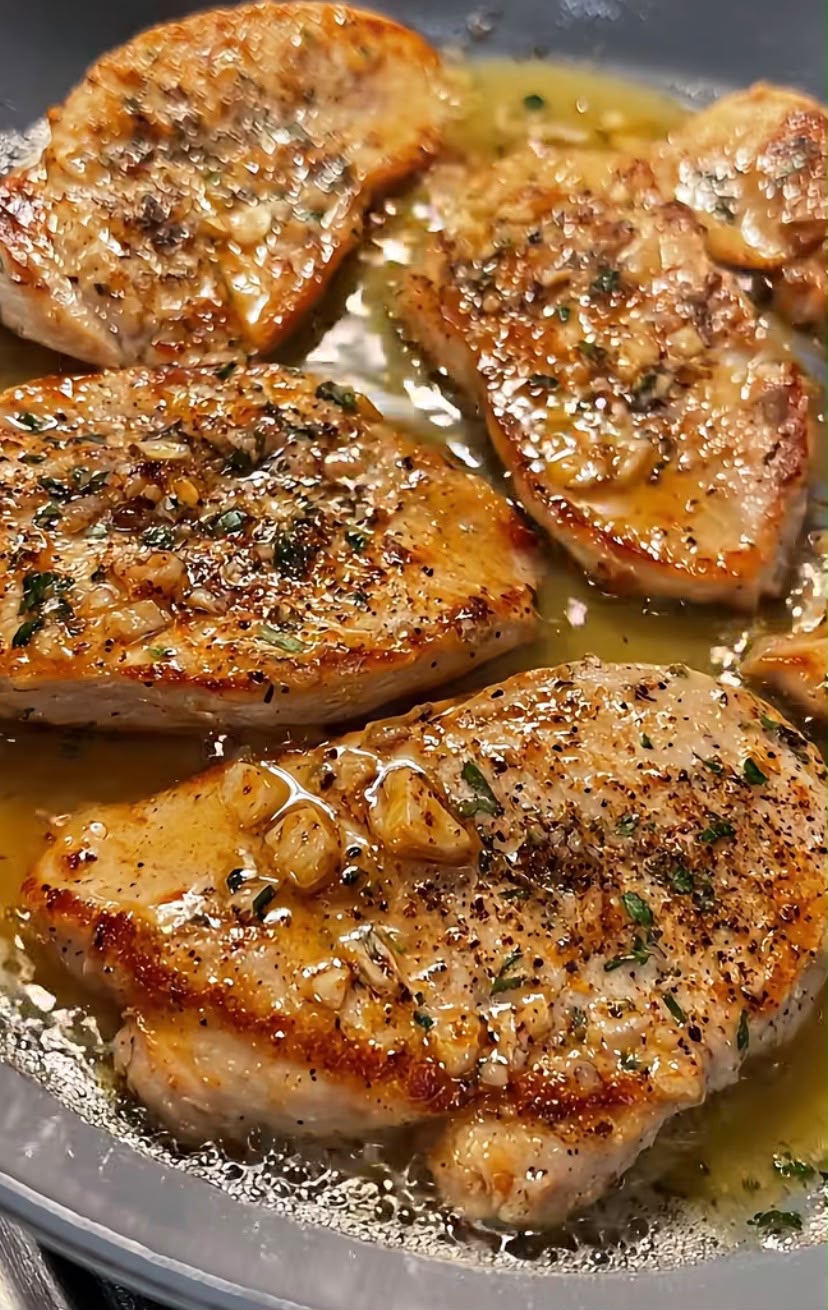
If you’re looking for a quick, flavorful dinner that tastes like something from a restaurant, these Garlic Butter Chicken Cutlets with Herbs are a perfect choice. Tender chicken cutlets are pan-seared until golden brown, then coated in a rich garlic butter sauce infused with fresh herbs and a hint of lemon.
This easy garlic butter chicken recipe uses simple pantry ingredients and comes together in about 30 minutes. The buttery sauce adds incredible flavor, while the garlic, herbs, and chicken broth create a delicious combination that pairs beautifully with your favorite side dishes.
Whether you’re preparing a busy weeknight dinner, cooking for your family, or looking for an easy high-protein meal, this skillet chicken recipe is a dependable favorite.
Recipe Overview
| Details | Information |
| Preparation Time | 10 minutes |
| Cooking Time | 15–20 minutes |
| Total Time | 25–30 minutes |
| Servings | 4 |
| Cuisine | American-inspired |
| Cooking Method | Stovetop |
| Main Ingredient | Boneless chicken breasts |
| Difficulty | Easy |
| Flavor Profile | Buttery, garlicky, savory, and fresh |
Why You’ll Love This Recipe
These garlic butter chicken cutlets are full of flavor without requiring complicated ingredients or cooking techniques. The chicken develops a golden crust in the skillet, while the garlic butter sauce keeps each piece moist and delicious.
The recipe is also wonderfully versatile. You can serve the chicken with mashed potatoes, rice, pasta, or roasted vegetables, making it easy to adapt to whatever you have available.
Another advantage is the quick cooking time. Thin chicken cutlets cook faster than whole chicken breasts, making this dish ideal for busy weeknights when you want a satisfying homemade dinner.
Fresh garlic, herbs, and lemon juice create a balanced sauce that tastes rich without being overly heavy. You can also adjust the seasoning to suit your preferences.
Ingredients
For the Chicken
| Ingredient | Quantity |
| Boneless, skinless chicken breasts, sliced into cutlets | 4 cutlets (about 600–800 g total) |
| Garlic powder | 1 teaspoon |
| Italian seasoning or dried thyme | 1 teaspoon |
| Salt | To taste |
| Ground black pepper | To taste |
| Olive oil | 1 tablespoon |
| Unsalted butter | 1 tablespoon |
For the Garlic Butter Sauce
| Ingredient | Quantity |
| Unsalted butter | 3 tablespoons (45 g) |
| Fresh garlic, minced | 4–5 cloves |
| Chicken broth or vegetable broth | ½ cup (120 ml) |
| Fresh lemon juice, optional | 1 tablespoon |
| Fresh parsley or thyme, chopped | 2 tablespoons |
Step-by-Step Instructions
Step 1: Prepare the Chicken
Pat the chicken cutlets dry with paper towels. Removing excess moisture helps the chicken develop a golden-brown crust when seared.
Season both sides with garlic powder, Italian seasoning, salt, and black pepper.
If your chicken breasts are thick, slice them horizontally into thinner cutlets or gently pound them to an even thickness. This helps them cook evenly and prevents the thinner edges from drying out.
Step 2: Sear the Chicken
Heat the olive oil and 1 tablespoon of butter in a large skillet over medium-high heat.
Once the butter has melted and the pan is hot, add the chicken cutlets in a single layer. Cook for approximately 4–5 minutes per side, depending on their thickness.
The chicken should develop a golden crust and reach an internal temperature of 165°F (74°C) at the thickest point.
Transfer the cooked chicken to a clean plate and set aside.
Step 3: Prepare the Garlic Butter Sauce
Reduce the heat to medium-low and add the remaining 3 tablespoons of butter to the same skillet.
Once the butter melts, add the minced garlic. Cook for approximately 30–60 seconds, stirring frequently, until fragrant.
Avoid browning the garlic too much because burnt garlic can make the sauce taste bitter.
Pour in the chicken broth and optional lemon juice. Use a wooden spoon to scrape up the browned bits from the bottom of the skillet.
Let the sauce simmer gently for 2–3 minutes, allowing it to reduce slightly and develop a richer flavor.
Step 4: Return the Chicken to the Skillet
Place the cooked chicken cutlets back into the skillet.
Spoon the garlic butter sauce over each piece, turning the chicken gently if necessary to coat both sides.
Allow everything to simmer for another 1–2 minutes so the chicken absorbs the flavor of the sauce.
Step 5: Add the Fresh Herbs
Sprinkle the chopped parsley or thyme over the chicken.
Taste the sauce and adjust the salt, black pepper, or lemon juice if needed.
Remove the skillet from the heat and serve immediately while the chicken is warm and the garlic butter sauce is glossy.
Best Tips
For the most tender chicken, cut the breasts into evenly sized cutlets. Uniform thickness helps every piece cook at approximately the same rate.
Pat the chicken dry before seasoning. Excess moisture can prevent browning and cause the meat to steam rather than sear.
Use medium-high heat to develop a golden crust, then lower the heat before adding the garlic. This prevents the garlic from burning while allowing its flavor to infuse the butter.
Freshly minced garlic provides the best aroma and flavor. If you only have garlic powder, use a small amount in the sauce, but remember that it will produce a different texture.
Avoid overcooking the chicken. A food thermometer is the most reliable way to determine when it has reached 165°F (74°C).
Finally, prepare your side dishes before cooking the chicken. Since this recipe comes together quickly, having everything ready makes serving much easier.
Best Ingredient Options
Chicken breasts: Boneless, skinless chicken breasts are ideal because they can be sliced into thin cutlets that cook quickly. Boneless chicken thighs can also be used, although they may require a little more cooking time.
Butter: Unsalted butter gives you better control over the seasoning. Salted butter is also suitable if you reduce the added salt.
Garlic: Fresh garlic cloves create a strong, aromatic flavor. Use four cloves for a milder sauce or five for a more pronounced garlic taste.
Chicken broth: Chicken broth creates a savory sauce, while vegetable broth is a good alternative. Reduced-sodium broth helps you control the salt level.
Fresh herbs: Parsley adds freshness and color, while thyme gives the sauce a more earthy flavor. Italian seasoning is convenient when fresh herbs are unavailable.
Lemon juice: Fresh lemon juice brightens the buttery sauce and balances its richness. You can omit it for a more traditional garlic butter flavor.
Recipe Variations
Creamy Garlic Butter Chicken
For a creamy version, stir ¼ cup (60 ml) of heavy cream into the sauce after adding the broth. Simmer gently until slightly thickened, then return the chicken to the skillet.
Garlic Parmesan Chicken
Add ¼ cup of freshly grated Parmesan cheese to the sauce after reducing the broth. Stir until melted and smooth, then spoon the sauce over the chicken.
Spicy Garlic Butter Chicken
Add ¼ teaspoon of red pepper flakes to the garlic butter sauce for a gentle kick. Increase the amount if you enjoy a spicier dinner.
Lemon Herb Chicken
Increase the lemon juice slightly and add extra fresh parsley or thyme. This variation creates a brighter flavor that pairs especially well with rice and steamed vegetables.
Mushroom Garlic Butter Chicken
Sauté 1 cup of sliced mushrooms in the skillet before preparing the garlic butter sauce. Once softened, add the garlic, broth, and remaining sauce ingredients.
Garlic Butter Chicken Bites
Cut the chicken into bite-sized pieces before cooking. Sear them in batches, prepare the sauce in the same skillet, and return the chicken to coat it evenly.
What to Serve With
Creamy mashed potatoes are an excellent side dish because they absorb the rich garlic butter sauce. Roasted baby potatoes or crispy potato wedges are also delicious options.
Steamed white rice or fluffy brown rice makes a simple, satisfying accompaniment. The sauce can be spooned directly over the rice for extra flavor.
For a pasta dinner, serve the chicken with fettuccine, penne, or spaghetti. Add a little extra broth if you need more sauce to coat the pasta.
Roasted broccoli, green beans, asparagus, or sautéed zucchini provide freshness and color. A crisp green salad with a light vinaigrette also balances the richness of the butter.
Warm bread or dinner rolls are perfect for soaking up any remaining garlic butter sauce.
Make-Ahead Instructions
You can season the chicken cutlets several hours ahead and keep them covered in the refrigerator until ready to cook.
Measure the broth, mince the garlic, and chop the herbs in advance. Store the prepared ingredients separately in the refrigerator.
For the best texture, cook the chicken shortly before serving. The sauce is quick to prepare, and freshly cooked chicken develops a better crust than chicken that has been cooked and reheated.
If you need to cook the entire dish in advance, refrigerate it promptly and reheat gently with a splash of broth to keep the chicken moist.
Storage
Allow leftover chicken to cool slightly before transferring it to an airtight container.
Refrigerate within two hours of cooking and store at 40°F (4°C) or below. Consume within 3–4 days.
Store the chicken with the garlic butter sauce to help prevent it from drying out.
Reheating
Stovetop: Place the chicken and sauce in a skillet over medium-low heat. Add a tablespoon or two of broth, cover, and heat gently until warmed through.
Microwave: Place a portion in a microwave-safe dish and cover loosely. Heat in short intervals, spooning the sauce over the chicken between intervals.
Oven: Arrange the chicken in an oven-safe dish, add a little broth, cover, and warm at 325°F (165°C) until heated through.
Reheat leftovers to an internal temperature of 165°F (74°C). Avoid prolonged heating because chicken breasts can become dry.
Freezing
You can freeze cooked garlic butter chicken, although the butter sauce may change texture slightly after thawing.
Allow the chicken to cool, then place it in freezer-safe containers with some sauce. Seal tightly and label with the date.
Freeze for up to 2–3 months for the best quality.
Thaw overnight in the refrigerator before reheating. Warm gently in a skillet with a small splash of broth, stirring the sauce to bring it back together.
Common Mistakes to Avoid
Cooking Unevenly Sized Chicken
Thick pieces take longer to cook than thin pieces. Slice or pound the chicken to an even thickness so it cooks consistently.
Using a Cold Skillet
A properly heated skillet helps the chicken develop a golden crust. If the pan is too cool, the chicken may release moisture and brown poorly.
Burning the Garlic
Garlic cooks quickly in butter. Lower the heat before adding it and stir frequently for no more than about one minute.
Making the Sauce Too Thin
Allow the broth to simmer for a few minutes so it reduces slightly. If you prefer a thicker sauce, add a small amount of grated Parmesan or simmer it a little longer.
Overcooking the Chicken
Chicken breasts can dry out quickly when cooked for too long. Check the thickest part with a food thermometer and remove the chicken once it reaches 165°F (74°C).
Adding Too Much Salt
Broth and salted butter can contain significant amounts of sodium. Taste the sauce before adding more salt.
Skipping the Pan Drippings
The browned bits left after searing the chicken contain valuable flavor. Deglaze the skillet with broth and scrape them into the sauce.
Nutrition Estimate
The following values are approximate estimates per serving, assuming four servings and excluding side dishes.
| Nutrient | Estimated Amount |
| Calories | 300–400 kcal |
| Protein | 35–45 g |
| Total Fat | 15–23 g |
| Saturated Fat | 7–12 g |
| Carbohydrates | 2–5 g |
| Fiber | 0–1 g |
| Sugar | 0–2 g |
| Sodium | 350–650 mg |
Actual nutrition values depend on the size of the chicken cutlets, the amount of butter consumed, the broth brand, and the final sauce quantity.
Frequently Asked Questions
Can I use chicken thighs instead of chicken breasts?
Yes. Boneless, skinless chicken thighs work well and tend to remain juicy. They may require a slightly different cooking time depending on their size and thickness. Ensure the thickest part reaches 165°F (74°C).
How do I keep chicken cutlets tender?
Cut the chicken to an even thickness, avoid overcooking, and let the meat rest briefly before serving. Spoon the garlic butter sauce over the chicken to add moisture and flavor.
Can I make this recipe without chicken broth?
Yes. Vegetable broth is a good substitute. You can also use water in a pinch, although the sauce will have a less pronounced savory flavor.
Can I make the garlic butter sauce creamy?
Absolutely. Add a little heavy cream or freshly grated Parmesan after deglazing the skillet. Simmer gently until the sauce reaches your preferred consistency.
Why is my garlic butter sauce separating?
Butter can separate when heated too aggressively. Keep the heat moderate or low, and add the broth gradually while stirring. If necessary, whisk the sauce gently to help it come together.
Can I prepare this chicken ahead of time?
Yes. Cook the chicken and sauce, refrigerate promptly, and reheat gently before serving. For the best texture, avoid cooking the chicken too far in advance and reheating it multiple times.
What can I serve with garlic butter chicken?
Mashed potatoes, rice, pasta, roasted vegetables, and fresh salads are all excellent choices. Pick a side that can absorb the sauce or provide a fresh contrast to its richness.
Can I freeze garlic butter chicken?
Yes. Freeze the cooked chicken with some sauce in an airtight container for up to 2–3 months for best quality. Thaw in the refrigerator and reheat thoroughly.
Final Thoughts
These Garlic Butter Chicken Cutlets with Herbs are proof that a delicious homemade dinner doesn’t need complicated ingredients or hours of preparation.
Golden-brown chicken, fragrant garlic, rich butter, and fresh herbs come together in a simple skillet sauce that tastes comforting and satisfying.
Serve this easy garlic butter chicken with your favorite potatoes, rice, pasta, or vegetables for a versatile meal the whole family can enjoy.
Save this recipe for your next busy weeknight and enjoy a flavorful homemade dinner in about 30 minutes!