
Introduction
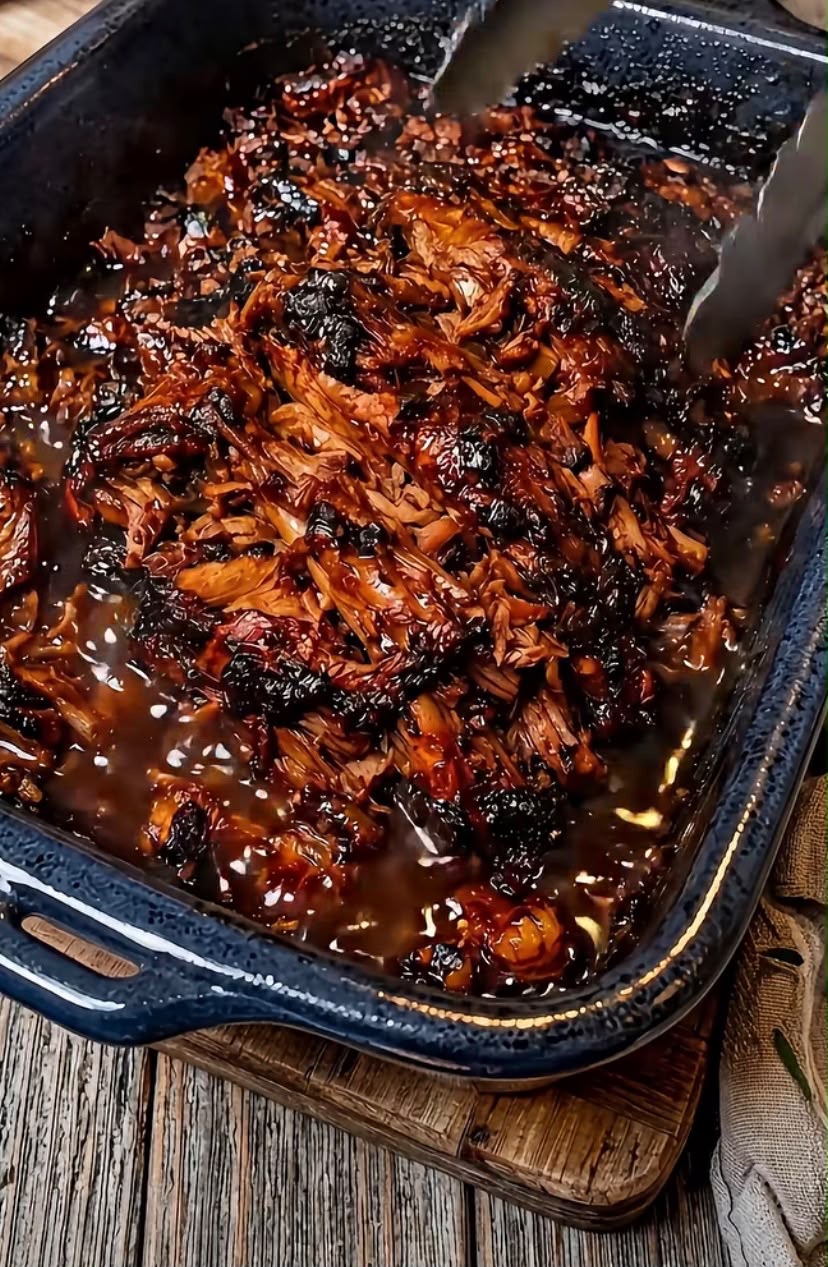
If you’re looking for tender, juicy beef packed with smoky barbecue flavor, this Slow-Cooked BBQ Pulled Beef is the perfect recipe. Made with a well-seasoned beef chuck roast, a rich barbecue sauce, and a simple blend of spices, this comforting dish transforms an affordable cut of beef into incredibly tender, shreddable meat.
Slow cooking allows the beef to absorb the sweet, smoky, and tangy flavors of the sauce while breaking down the connective tissue. The result is delicious pulled beef that practically falls apart with a fork.
Whether you’re preparing an easy family dinner, planning a weekend barbecue, or looking for a versatile meal-prep recipe, this homemade pulled beef is a fantastic choice. Serve it on toasted burger buns, pile it into tacos, or pair it with crispy potatoes and fresh coleslaw.
Recipe Overview
| Details | Information |
| Preparation Time | 15 minutes |
| Searing Time | 10–12 minutes |
| Oven Cooking Time | 3½–4½ hours |
| Slow Cooker Time | 8–9 hours on LOW or 5–6 hours on HIGH |
| Total Time | Approximately 4–5 hours using the oven |
| Servings | 8–10 |
| Cuisine | American-inspired barbecue |
| Cooking Method | Oven or slow cooker |
| Main Ingredient | Beef chuck roast |
| Difficulty | Easy |
| Flavor Profile | Smoky, sweet, savory, and tangy |
Why You’ll Love This Recipe
This BBQ pulled beef recipe delivers the rich flavor of classic barbecue without requiring a smoker or outdoor grill. The oven or slow cooker does most of the work, giving the beef plenty of time to become tender and absorb the flavorful cooking liquid.
The homemade spice rub combines paprika, garlic, onion, brown sugar, and black pepper to create a delicious seasoning crust. Barbecue sauce, beef broth, and apple cider vinegar add moisture, sweetness, and tanginess.
Another reason to love this recipe is its versatility. The shredded beef can be used in sandwiches, tacos, quesadillas, baked potatoes, rice bowls, or loaded fries.
It’s also ideal for meal preparation. Make a large batch, refrigerate or freeze individual portions, and enjoy a convenient homemade dinner whenever you need one.
Ingredients
For the Beef
| Ingredient | Quantity |
| Beef chuck roast or beef shoulder | 3½–4½ lb (1.5–2 kg) |
| Olive oil, for searing | 1–2 tablespoons |
For the Homemade BBQ Spice Rub
| Ingredient | Quantity |
| Brown sugar | 1 tablespoon |
| Sweet or smoked paprika | 1 tablespoon |
| Garlic powder | 1 teaspoon |
| Onion powder | 1 teaspoon |
| Salt | 1 teaspoon |
| Ground black pepper | ½ teaspoon |
| Cayenne pepper, optional | ½ teaspoon |
For the Barbecue Cooking Sauce
| Ingredient | Quantity |
| Barbecue sauce | 1 cup (240 ml) |
| Beef broth | ½ cup (120 ml) |
| Apple cider vinegar | 2 tablespoons |
| Worcestershire sauce | 1 tablespoon |
Ingredient note: Choose a barbecue sauce that matches your preferred sweetness and smokiness. Check the Worcestershire sauce and barbecue sauce labels if you need to avoid particular animal-derived ingredients.
Step-by-Step Instructions
Step 1: Prepare the Spice Rub
In a small bowl, combine the brown sugar, paprika, garlic powder, onion powder, salt, black pepper, and optional cayenne pepper.
Mix until the seasonings are evenly distributed.
Pat the beef chuck roast dry with paper towels. Rub the seasoning mixture generously over every side of the meat, pressing it gently into the surface.
For deeper flavor, you can season the beef several hours ahead and refrigerate it in a covered container.
Step 2: Sear the Beef
Heat the olive oil in a large, heavy skillet over medium-high to high heat.
Carefully place the seasoned beef in the hot skillet and sear for approximately 2–3 minutes per side, including the edges where practical.
The outside should develop a deep golden-brown crust. Searing adds flavor, although it does not seal in the juices.
Transfer the beef to a deep oven-safe roasting dish or your slow cooker.
Step 3: Prepare the BBQ Sauce
In a medium bowl, whisk together the barbecue sauce, beef broth, apple cider vinegar, and Worcestershire sauce.
The barbecue sauce contributes sweetness and smoky flavor, while the broth adds savory depth and the vinegar balances the richness.
Pour the sauce around the beef in the roasting dish or slow cooker.
Step 4: Choose Your Cooking Method
Oven method
Preheat your oven to 300°F (150°C).
Place the beef in a deep roasting dish and pour the prepared sauce around it. Cover the dish tightly with aluminum foil or a suitable oven-safe lid.
Bake for approximately 3½–4½ hours, depending on the size and thickness of the roast.
Check the beef after about 3½ hours. It is ready when a fork slides into the meat easily and the fibers separate with little resistance. Some roasts may need additional time.
Slow cooker method
Place the seasoned beef and prepared sauce in the slow cooker.
Cover and cook on LOW for approximately 8–9 hours or HIGH for 5–6 hours, until the beef is fork-tender.
Cooking times vary with the roast’s size, shape, and your appliance. Avoid opening the lid unnecessarily during cooking.
Step 5: Shred the Beef
Transfer the cooked beef to a large plate or cutting board. Allow it to rest briefly until it is manageable to handle.
Use two forks to pull the meat apart along its natural fibers. Discard any large pieces of excess fat or connective tissue that remain unpleasantly chewy.
If the beef does not shred easily, return it to the cooking liquid and continue cooking until tender.
Step 6: Combine the Beef with the Sauce
Skim excess fat from the cooking liquid if necessary.
Return the shredded beef to the roasting dish or slow cooker. Toss it thoroughly with the barbecue sauce so the meat absorbs the rich, tangy cooking juices.
If the sauce is too thin, transfer some to a saucepan and simmer it until slightly reduced. Stir the reduced sauce back into the beef.
For a more caramelized barbecue finish, spread the shredded beef on a baking sheet, spoon over some sauce, and broil briefly for 3–5 minutes. Watch carefully to prevent burning.
Step 7: Serve and Enjoy
Pile the warm BBQ pulled beef onto toasted burger buns and add your favorite toppings.
You can also serve it in tortillas, over baked potatoes, alongside crispy fries, or with homemade coleslaw.
Add extra barbecue sauce at the table for anyone who prefers a saucier sandwich.
Best Tips
Choose a beef chuck roast with some marbling. The fat and connective tissue help create a tender texture during long, moist cooking.
Do not rush the cooking process. Beef may be cooked to a safe temperature before it becomes tender enough to shred. For chuck roast, the best indicator of readiness is fork tenderness rather than temperature alone.
Searing is optional but highly recommended. The browned surface adds depth to the finished barbecue sauce.
Keep the cooking dish tightly covered when using the oven. This helps retain moisture and prevents the sauce from evaporating too quickly.
Allow the beef to rest briefly before shredding. This makes it easier to handle and gives you time to remove unwanted pieces of fat.
Finally, taste the sauce before serving. Add a splash of apple cider vinegar if it needs more tang, or a little extra barbecue sauce if you prefer a sweeter finish.
Best Ingredient Options
Beef chuck roast: This is one of the best cuts for pulled beef because it contains connective tissue and marbling that soften during slow cooking. Beef shoulder is another good choice.
Barbecue sauce: A smoky, traditional barbecue sauce creates a classic pulled beef flavor. Sweet, spicy, or hickory-style sauces can be used depending on your preferences.
Smoked paprika: This gives the spice rub a smoky aroma even when the beef is cooked in a regular oven or slow cooker.
Apple cider vinegar: The acidity balances the sweetness of the barbecue sauce. White wine vinegar can work as an alternative, although the flavor will be slightly different.
Beef broth: Regular beef broth adds savory flavor, while reduced-sodium broth provides better control over the salt level.
Brown sugar: Brown sugar helps balance the spices and contributes to the caramelized flavor. You can reduce it or leave it out if your barbecue sauce is already quite sweet.
Recipe Variations
Smoky Pulled Beef
Use smoked paprika and a smoky barbecue sauce for a deeper barbecue flavor. A small amount of ground cumin can also add warmth and complexity.
Spicy BBQ Pulled Beef
Increase the cayenne pepper or add crushed red pepper flakes to the spice rub. You can also use a spicy barbecue sauce for extra heat.
Honey BBQ Pulled Beef
Replace the brown sugar in the spice rub with a tablespoon of honey stirred into the barbecue sauce. This creates a slightly sweeter glaze.
Garlic BBQ Pulled Beef
Add two or three minced garlic cloves to the cooking sauce. The garlic softens during slow cooking and blends into the savory barbecue flavor.
Pulled Beef Tacos
Fill warm tortillas with shredded barbecue beef, then add shredded cabbage, diced tomatoes, avocado, and a squeeze of lime juice. The fresh toppings balance the rich meat.
Cheesy BBQ Pulled Beef Sandwiches
Pile the shredded beef onto toasted buns, add sliced cheddar or Monterey Jack cheese, and melt the cheese under the broiler. Add sliced onions or pickles for extra crunch.
What to Serve With
Classic coleslaw is an excellent side dish because its crisp texture and tangy dressing balance the rich barbecue beef. Serve it alongside sandwiches or pile a little directly onto the buns.
Crispy oven fries, roasted potato wedges, or creamy mashed potatoes make the meal more substantial. They also pair beautifully with the sweet and smoky sauce.
For a barbecue-inspired dinner, serve the pulled beef with corn on the cob, baked beans, or roasted vegetables.
If you want something lighter, try a green salad with a simple vinaigrette or steamed green beans. These sides add freshness without competing with the main dish.
Warm burger buns, cornbread, or soft dinner rolls are also great for soaking up the extra sauce.
Make-Ahead Instructions
You can prepare the spice rub up to several weeks in advance and store it in an airtight container in a cool, dry place.
The beef can be seasoned and refrigerated in a covered container for several hours or overnight before cooking.
You can also cook the entire roast a day ahead. Shred the beef, mix it with the cooking sauce, and refrigerate it in an airtight container.
Reheat gently before serving, adding a splash of beef broth or barbecue sauce if necessary to restore moisture.
Storage
Allow the cooked beef to cool slightly before storing it.
Transfer the pulled beef and sauce to shallow, airtight containers and refrigerate within two hours of cooking. Keep refrigerated at 40°F (4°C) or below and consume within 3–4 days.
Storing the meat with its sauce helps keep it moist and flavorful.
Reheating
Stovetop: Place the pulled beef and sauce in a saucepan over medium-low heat. Stir occasionally until thoroughly heated. Add a little beef broth if the sauce becomes too thick.
Oven: Place the beef in an oven-safe dish with some sauce. Cover tightly and heat at 325°F (165°C) until warmed through.
Microwave: Place a portion in a microwave-safe dish, add a spoonful of sauce, and cover loosely. Heat in short intervals, stirring between intervals where possible.
Reheat leftovers to an internal temperature of 165°F (74°C). Avoid repeatedly reheating the same portion.
Freezing
BBQ pulled beef freezes exceptionally well, making it ideal for meal preparation.
Allow the cooked beef to cool, then divide it into freezer-safe containers or bags with enough sauce to keep the meat moist.
Freeze for up to 2–3 months for the best quality. Label each portion with the preparation date.
Thaw overnight in the refrigerator before reheating. Heat thoroughly and add extra barbecue sauce or beef broth if needed.
Freezing individual portions makes it easy to prepare quick sandwiches, tacos, or rice bowls on busy days.
Common Mistakes to Avoid
Choosing the Wrong Cut of Beef
Very lean cuts can become dry during extended cooking. Chuck roast or beef shoulder generally works better because the connective tissue softens during slow cooking.
Skipping the Seasoning
The spice rub adds important flavor to the meat. Coat the roast evenly so every portion has a balanced barbecue taste.
Using Too Much Liquid
The beef releases moisture during cooking, so excessive broth can make the sauce watery. Measure the liquid carefully and reduce the sauce separately if necessary.
Shredding the Beef Too Early
If the roast resists shredding, it probably needs more cooking time. Return it to the oven or slow cooker and continue cooking until the fibers separate easily.
Leaving the Dish Uncovered in the Oven
Covering the roasting dish helps retain moisture. An uncovered roast may dry out before the connective tissue becomes tender.
Forgetting to Taste the Sauce
Barbecue sauces vary in sweetness, acidity, and saltiness. Taste the cooking liquid before serving and adjust it with vinegar, barbecue sauce, or broth as needed.
Overlooking Food Safety
Refrigerate leftovers promptly and reheat them thoroughly. Do not leave cooked beef at room temperature for extended periods.
Nutrition Estimate
The following estimates are approximate and based on ten servings of beef with sauce, excluding buns and side dishes.
| Nutrient | Estimated Amount per Serving |
| Calories | 300–420 kcal |
| Protein | 30–38 g |
| Total Fat | 14–24 g |
| Saturated Fat | 5–9 g |
| Carbohydrates | 8–14 g |
| Fiber | 0–1 g |
| Sugar | 6–10 g |
| Sodium | 450–850 mg |
Actual nutrition values vary depending on the cut of beef, the amount of visible fat, and the barbecue sauce brand. Sandwich buns and side dishes will increase the total calories and carbohydrates.
Frequently Asked Questions
What is the best cut of beef for pulled beef?
Beef chuck roast is an excellent choice because its marbling and connective tissue break down during slow cooking. Beef shoulder can also produce tender, flavorful pulled beef.
Can I make pulled beef without a slow cooker?
Yes. Use a covered Dutch oven or deep roasting dish in an oven preheated to 300°F (150°C). Cook for approximately 3½–4½ hours, checking for tenderness toward the end.
Why is my pulled beef tough?
The beef may need more cooking time. Toughness often means the connective tissue has not softened enough. Continue cooking until the meat separates easily with a fork.
Can I prepare pulled beef the day before?
Absolutely. Cook and shred the beef, mix it with the sauce, and refrigerate it in an airtight container. Reheat gently the next day with a little extra sauce if needed.
Can I freeze BBQ pulled beef?
Yes. Store the shredded beef with its sauce in freezer-safe containers for up to 2–3 months for best quality. Thaw in the refrigerator before reheating.
How do I make the barbecue sauce thicker?
Transfer some of the cooking liquid to a saucepan and simmer until it reduces to your preferred consistency. You can then mix it back into the shredded beef.
What can I make with leftover pulled beef?
Leftovers are delicious in tacos, quesadillas, sandwiches, baked potatoes, rice bowls, and loaded fries. You can also use the beef as a filling for savory wraps.
Is pulled beef good for meal prep?
Yes. It can be divided into individual portions and refrigerated or frozen with the sauce. Pair each portion with different sides throughout the week to create several easy meals.
Final Thoughts
This Slow-Cooked BBQ Pulled Beef is a delicious, versatile recipe that transforms a simple beef chuck roast into tender, juicy meat packed with smoky, sweet, and tangy barbecue flavor.
Whether you prepare it in the oven or slow cooker, the secret is allowing enough time for the beef to become fork-tender before shredding it into the rich cooking sauce.
Serve it on toasted buns, in tacos, or alongside your favorite potatoes and vegetables for a comforting homemade meal.
Save this recipe for your next family dinner, weekend gathering, or meal-prep session, and enjoy flavorful homemade BBQ pulled beef whenever you crave classic barbecue comfort food.