
Introduction
Urine stains on a mattress can be difficult to remove, especially when yellow discoloration and unpleasant odors linger after an accident. Fortunately, a few common household cleaning ingredients may help treat small stains and freshen up compatible mattress fabrics.
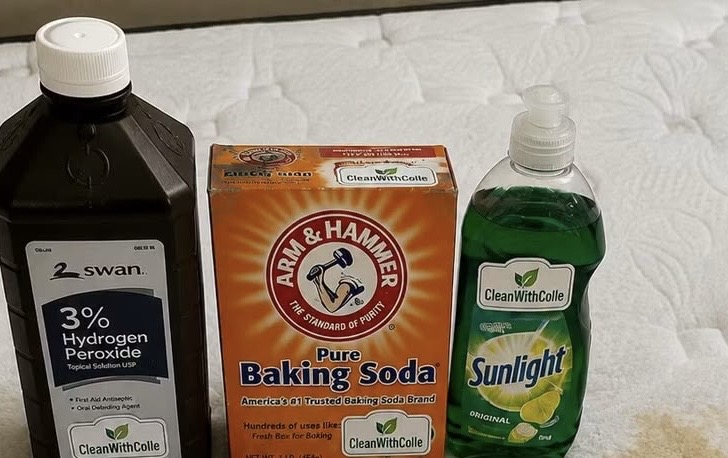
This DIY mattress urine stain remover combines 3% hydrogen peroxide, baking soda, and dish soap. When used carefully, these ingredients may help lift certain stains and loosen surface residue.
The most important rule is to avoid soaking the mattress. Excess moisture can penetrate the inner layers, prolong drying time, and increase the risk of mold growth.
Recipe Overview
| Detail | Information |
| Preparation Time | 5 minutes |
| Treatment Time | 10–15 minutes |
| Drying Time | Several hours or overnight |
| Total Time | Approximately 4–12 hours |
| Difficulty | Easy |
| Method | Spot cleaning |
| Best For | Small urine stains on compatible mattress fabrics |
| Main Ingredients | Hydrogen peroxide, baking soda, dish soap |
| Estimated Cost | Low |
Why You’ll Love This Cleaning Method
This homemade mattress cleaner uses affordable household ingredients and requires only a few minutes of preparation. It can be a convenient alternative to purchasing a specialized upholstery cleaner for every small accident.
The method is simple: prepare a small amount of solution, apply it sparingly, blot the stain, and allow the mattress to dry completely. Gentle treatment can help improve the appearance of some stains without unnecessary scrubbing.
However, not every mattress can tolerate hydrogen peroxide. Always check the manufacturer’s cleaning instructions and test an inconspicuous area before treating a visible stain.
Ingredients and Supplies
| Ingredient or Supply | Quantity | Purpose |
| 3% hydrogen peroxide | 1 cup (240 ml) | Helps treat certain organic stains |
| Baking soda | ½ cup | Helps absorb moisture and reduce some odors |
| Dish soap | 1 teaspoon | Helps loosen surface residue |
| Clean white cloth | 2–3 | Blotting the stain |
| Small mixing bowl | 1 | Preparing the solution |
| Spoon or spray bottle | As needed | Applying a small amount |
| Vacuum cleaner | 1 | Removing dry baking soda residue, if appropriate |
| Cleaning gloves | Optional | Protecting sensitive hands |
Important: Hydrogen peroxide can bleach or discolor fabrics. Check your mattress care label before using it. Some memory foam mattresses and specialty covers require specific cleaning products.
Step-by-Step Instructions
Step 1: Check the Mattress Care Instructions
Before mixing the ingredients, check whether your mattress permits hydrogen peroxide and water-based spot cleaning.
If the manufacturer recommends a specific cleaning product or prohibits liquid cleaners, follow those instructions instead.
Step 2: Blot the Urine Stain
If the stain is fresh, press a clean, dry white cloth against the affected area to absorb as much liquid as possible.
Repeat with a dry section of the cloth. Avoid rubbing, as this can spread the stain and push moisture deeper into the mattress.
Step 3: Prepare the Cleaning Solution
In a small bowl, combine one cup of 3% hydrogen peroxide, half a cup of baking soda, and one teaspoon of dish soap.
Stir gently. The baking soda may not dissolve completely, and the mixture may foam slightly.
Prepare only the amount you need. Do not store the mixture in a sealed container because hydrogen peroxide can decompose and release gas.
Step 4: Test a Hidden Area
Apply a tiny amount of the solution to an inconspicuous section of the mattress cover, following the manufacturer’s cleaning guidance.
Blot gently and allow the area to dry. Check for discoloration, fading, or changes in texture before proceeding.
If the fabric changes color or texture, do not use the solution on the visible stain.
Step 5: Apply the Solution Sparingly
Use a clean cloth or spoon to dab a small amount of the solution onto the stained area.
Avoid saturating the mattress. Controlled application is preferable to spraying a large quantity of liquid because moisture can travel into the inner layers.
Step 6: Let It Sit for 10–15 Minutes
Allow the solution to remain on the stain for approximately 10–15 minutes, but only if the mattress manufacturer permits this treatment.
Do not leave hydrogen peroxide on the fabric longer than necessary. If you notice fading or another visible change, blot the area immediately.
Step 7: Blot the Treated Area
Press a clean, dry white cloth against the area to absorb the cleaning solution and loosened residue.
Continue blotting with fresh sections of the cloth until the surface is only slightly damp. Do not scrub aggressively.
If residue remains, follow the manufacturer’s instructions for wiping the surface with a lightly damp cloth.
Step 8: Allow the Mattress to Dry Completely
Leave the mattress uncovered until the treated area is completely dry. Open a window or use a fan to improve airflow when appropriate.
Drying may take several hours or longer depending on humidity, ventilation, and how much liquid was used.
Do not replace the sheets while the mattress is damp.
Step 9: Vacuum Any Dry Residue
Once the area is completely dry, inspect the surface. If dry baking soda residue remains, vacuum it using an upholstery attachment, provided the manufacturer permits vacuuming.
Avoid aggressive suction or attachments that could damage delicate fabric.
Best Tips
Blotting is one of the most important steps in urine stain removal. Removing as much liquid as possible before applying a cleaner helps prevent the stain from spreading and reduces the amount of moisture introduced.
Use hydrogen peroxide cautiously because it can lighten colored fabrics. A patch test is essential, especially on mattresses with patterned or dark covers.
For the best results, focus on gentle spot cleaning rather than soaking or scrubbing. If a stain is deep or the odor persists, a mattress-safe enzyme cleaner may be more appropriate than repeatedly applying a homemade solution.
Best Ingredient Options
Hydrogen peroxide: Use only standard 3% hydrogen peroxide when the mattress manufacturer permits it. Stronger concentrations increase the risk of injury and fabric damage.
Baking soda: Ordinary household baking soda may help absorb some moisture and odors. It does not guarantee complete odor removal or disinfect the mattress.
Dish soap: A small amount of mild dish soap can help loosen surface residue. Using too much may leave a sticky film.
White cloths: Clean white cotton or microfiber cloths help prevent dye transfer while blotting.
Mattress-safe enzyme cleaner: For persistent urine odors, consider a product specifically labeled for mattresses or upholstery. Follow the label and test it on a hidden area first.
Cleaning Variations
For a fresh, small stain, a mattress-approved solution of mild dish soap and water may be sufficient. Apply a minimal amount with a cloth, blot gently, and allow the area to dry thoroughly.
For persistent odors, an enzyme-based upholstery cleaner may help break down urine residues when the product is suitable for the mattress material. Follow the manufacturer’s directions rather than combining cleaners.
For memory foam or specialty mattresses, avoid excess moisture and unapproved chemicals. Some materials can be damaged by liquid cleaners, so the mattress manufacturer’s instructions should take priority.
Never combine this cleaning method with bleach, vinegar, ammonia, or other cleaning products. Use one method at a time.
What to Do After Cleaning
After treating the stain, allow the mattress to dry completely before replacing bedding. A fan and good ventilation can help improve airflow around the treated area.
If the urine has penetrated deeply into the mattress, surface cleaning may not remove all the odor. A suitable enzyme cleaner or professional mattress cleaning service may be necessary.
A washable, waterproof mattress protector can also help reduce the amount of liquid absorbed during future accidents.
Make-Ahead Instructions
Prepare this cleaning solution immediately before use rather than making it in advance.
Do not keep leftover mixture in a sealed bottle or spray container. Prepare only what you need for the stain and discard the remainder safely.
Store unused ingredients separately in their original containers, following the product labels.
Storage
Keep hydrogen peroxide in its original container, away from direct light and heat, according to the label instructions.
Store baking soda and dish soap separately, away from children and pets.
Never transfer cleaning products into food or beverage containers, and never store the mixed solution in a sealed container.
Drying and Follow-Up Care
Complete drying is essential for safe mattress care. Keep the mattress uncovered and maintain good airflow until the treated area is dry throughout.
Avoid adding more liquid simply because a faint mark remains. Let the mattress dry before assessing the results and deciding whether further treatment is necessary.
If the stain or odor persists, consult the manufacturer or use a compatible specialist cleaner instead of repeatedly soaking the same area.
Common Mistakes to Avoid
Using too much solution can push moisture deep into the mattress and make drying difficult. Apply the cleaner sparingly and blot away excess liquid promptly.
Skipping the patch test can lead to discoloration because hydrogen peroxide may lighten certain fabrics. Always test a hidden area and allow it to dry before proceeding.
Scrubbing aggressively may spread the stain or damage the mattress cover. Gentle blotting is generally the better approach.
Covering the mattress while it is damp can trap moisture beneath the sheets. Wait until the area is completely dry before making the bed.
Finally, never mix cleaning chemicals indiscriminately. Do not combine hydrogen peroxide with vinegar, bleach, or other cleaners.
Safety Precautions
Use hydrogen peroxide according to its product label and avoid contact with the eyes. Wear cleaning gloves if your skin is sensitive, and keep the solution away from children and pets.
Work in a well-ventilated room. Do not apply the cleaning mixture to skin or use it as a personal disinfectant.
If the mattress is heavily soaked, has persistent musty odors, or shows signs of mold, contact the manufacturer or a professional cleaning service.
Expected Results
| Situation | What to Expect |
| Fresh, small urine stain | May improve with prompt blotting and compatible spot cleaning |
| Light surface odor | May improve with cleaning and thorough drying |
| Older yellow stain | Some discoloration may remain |
| Deeply absorbed urine | Surface treatment may not remove all odor |
| Colored or delicate mattress cover | Hydrogen peroxide may cause fading |
| Persistent odor or mustiness | A suitable enzyme cleaner or professional advice may be needed |
Results depend on the mattress material, stain age, and depth of contamination. No homemade cleaning solution can guarantee complete stain or odor removal.
Frequently Asked Questions
Does baking soda and hydrogen peroxide remove urine stains from a mattress?
The combination may improve certain stains on compatible fabrics. However, results vary, and hydrogen peroxide can discolor some mattress covers.
How long should I leave the solution on the mattress?
The suggested contact time is 10–15 minutes if the mattress care instructions permit it. Blot away the solution afterward and avoid soaking the material.
Can I use this method on a memory foam mattress?
Check the manufacturer’s instructions first. Many memory foam mattresses should not be saturated, and some materials may be damaged by unapproved chemicals.
Will this mixture completely remove urine odors?
It may reduce some surface odors, but it cannot guarantee complete odor removal when urine has penetrated deeply. A mattress-safe enzyme cleaner may be more suitable for persistent odors.
Can I use stronger hydrogen peroxide?
No. Do not substitute stronger concentrations. Higher concentrations can increase the risk of injury and fabric damage.
How long does a mattress take to dry?
Drying time depends on ventilation, humidity, mattress construction, and the amount of liquid used. It may take several hours or longer. Wait until the treated area is completely dry before replacing the bedding.
Can I prepare the solution ahead of time?
No. Prepare only what you need immediately before cleaning. Do not store the mixture in a sealed container.
What should I do if the stain remains?
Allow the mattress to dry completely, then reassess the stain. If it remains, consult the manufacturer’s instructions or use a compatible specialist cleaner. Avoid repeatedly soaking the mattress.
Final Thoughts
A homemade mattress urine stain remover can be a convenient option for treating small stains, but the safest method depends on the material and care instructions of your mattress.
Blot the area first, use as little liquid as possible, test hydrogen peroxide on a hidden section, and allow the mattress to dry completely.
For deep stains or persistent odors, a mattress-safe enzyme cleaner or professional service may be the better choice. Careful cleaning and proper drying can help improve mattress freshness while reducing the risk of fabric damage and trapped moisture.