
Introduction
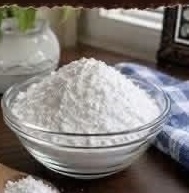
Baking soda is often promoted online as a quick home remedy for dark spots, wrinkles, dull skin, and dark circles. Because it is inexpensive and commonly found in the kitchen, it can be tempting to mix it with water or other ingredients and apply it to the face.
However, baking soda is not a proven treatment for wrinkles, dark spots, or dark circles, and applying it directly to facial skin can cause dryness, irritation, or damage to the skin barrier. For that reason, this recipe-style guide focuses on a gentle alternative rather than recommending a baking soda face mask.
If your goal is brighter, smoother-looking skin, a simple routine using moisturizer and sunscreen is a much safer starting point.
Recipe Overview
| Category | Details |
| Recipe Name | Gentle Skin-Brightening Facial Routine |
| Main Concern | Dark spots, dullness, uneven skin tone |
| Preparation Time | 5 minutes |
| Application Time | 5–10 minutes |
| Total Time | 10–15 minutes |
| Difficulty | Easy |
| Skin Type | Most skin types |
| Baking Soda | Not recommended for direct facial application |
| Sunscreen | SPF 30+ recommended |
| Frequency | Daily gentle routine |
| Best For | Supporting healthy-looking skin |
Why You’ll Love This Recipe
This routine is simple, inexpensive, and much gentler than scrubbing the face with baking soda. Instead of trying to chemically or physically strip away discoloration, it focuses on keeping the skin clean, moisturized, and protected from UV exposure.
It is also easy to customize. You can keep the routine minimal with only a gentle cleanser, moisturizer, and sunscreen, or gradually introduce a properly formulated skincare product containing ingredients such as niacinamide or vitamin C.
Most importantly, the routine avoids aggressive DIY ingredients that can irritate facial skin and potentially make uneven pigmentation more noticeable.
Ingredients
Gentle Facial Routine
| Ingredient/Product | Amount | Purpose |
| Gentle facial cleanser | Small amount | Cleanses the skin |
| Lukewarm water | As needed | Rinsing |
| Fragrance-free moisturizer | Small amount | Helps maintain the skin barrier |
| Broad-spectrum sunscreen | As directed on product | Helps protect against UV-related pigmentation |
| Niacinamide or vitamin C product | Optional | Helps support a more even-looking complexion |
Optional Evening Routine
| Product | Amount | Purpose |
| Gentle cleanser | Small amount | Removes impurities |
| Moisturizer | Small amount | Hydrates and supports the skin barrier |
| Retinol/retinoid product | Optional | Can improve the appearance of fine lines and uneven texture |
Important: Introduce active skincare products gradually and follow the product’s directions.
Step-by-Step Instructions
Step 1: Clean Your Face
Wet your face with lukewarm water and apply a small amount of gentle cleanser. Massage lightly with your fingertips for about 20–30 seconds.
Do not scrub aggressively, especially over dark spots or around the eyes.
Step 2: Rinse Thoroughly
Rinse with lukewarm water and gently pat your face dry using a clean, soft towel.
Avoid rubbing the skin because repeated friction can cause irritation.
Step 3: Apply Moisturizer
Apply a fragrance-free moisturizer while your skin is slightly damp.
A good moisturizer helps reduce dryness and supports the skin barrier, which is especially important if you use other active skincare products.
Step 4: Apply Sunscreen in the Morning
Finish your morning routine with a broad-spectrum SPF 30 or higher sunscreen.
Sunscreen is particularly important when you’re concerned about dark spots because UV exposure can worsen existing pigmentation and contribute to additional discoloration.
Step 5: Add a Targeted Ingredient if Desired
If you want to address uneven skin tone, you can consider a properly formulated skincare product containing niacinamide, vitamin C, azelaic acid, or another evidence-based ingredient.
Introduce one active product at a time rather than combining several new treatments simultaneously.
Step 6: Protect the Eye Area
Do not apply baking soda, lemon juice, or abrasive DIY mixtures around the eyes.
Dark circles have many possible causes, including genetics, pigmentation, allergies, fatigue, and the natural structure of the area beneath the eyes. Treatment depends on the underlying cause.
Best Tips
The most important tip is to skip the baking soda face mask. A product being natural, inexpensive, or popular online does not automatically make it appropriate for facial skin.
If you are treating dark spots, consistency matters. Gentle cleansing, adequate moisturization, and daily sunscreen are more sensible foundations than aggressive exfoliation.
If your skin becomes red, painful, unusually dry, swollen, or persistently irritated after trying a skincare product, stop using it and allow your skin to recover.
Best Ingredient Options
For dark spots and uneven skin tone, look for professionally formulated products containing ingredients such as niacinamide, vitamin C, azelaic acid, or retinoids.
For dry skin, choose moisturizers containing ingredients such as ceramides, glycerin, or hyaluronic acid.
For fine lines and wrinkles, sunscreen and appropriately formulated retinoid products have substantially more evidence than household ingredients such as baking soda.
For sensitive skin, keep the routine simple and choose fragrance-free products whenever possible.
Recipe Variations
Simple 3-Step Routine
For a minimalist approach, use only a gentle cleanser, moisturizer, and broad-spectrum sunscreen.
Brightening Routine
Add a properly formulated vitamin C or niacinamide product after cleansing and before moisturizer, following the product’s instructions.
Evening Anti-Aging Routine
Cleanse gently, apply a suitable retinoid product if tolerated, and finish with moisturizer.
Sensitive-Skin Version
Avoid exfoliating scrubs and multiple active ingredients. Concentrate on gentle cleansing, moisturizing, and daily sun protection.
What to Serve With
This skincare routine does not require food ingredients or kitchen mixtures. The best “combination” is a consistent skincare routine:
Cleanser → targeted product if appropriate → moisturizer → sunscreen in the morning.
Avoid mixing several household ingredients together in an attempt to create a stronger treatment.
Make-Ahead Instructions
There is no need to prepare a homemade facial mixture in advance.
Commercial skincare products are formulated with controlled concentrations, preservatives, and pH levels, making them preferable to homemade mixtures containing kitchen ingredients.
Storage
Keep skincare products tightly closed and store them according to their individual packaging instructions.
Keep products away from excessive heat and direct sunlight unless the manufacturer specifically states otherwise.
Do not store homemade mixtures containing water, food ingredients, or other household products for repeated facial use.
Reheating
No reheating is necessary.
Do not heat skincare products or homemade facial mixtures before applying them to your skin.
Freezing
Freezing is not recommended for homemade facial treatments. It does not make baking soda safer or more effective for facial use.
Common Mistakes to Avoid
Avoid applying undiluted baking soda directly to your face, particularly if you have sensitive or dry skin.
Do not combine baking soda with lemon juice in an attempt to create a stronger dark-spot treatment. Lemon juice can irritate facial skin and is not a reliable treatment for hyperpigmentation.
Avoid using rough scrubbing motions. Excessive exfoliation can damage the skin barrier and increase irritation.
Do not apply baking soda close to the eyes. The eye area is delicate and particularly susceptible to irritation.
Finally, don’t expect an overnight transformation. Dark spots, wrinkles, and uneven skin tone usually require consistent care and, depending on the cause, professional treatment.
Nutrition Estimate
Because this is a topical skincare routine rather than an edible recipe, nutritional values do not apply.
| Nutritional Information | Amount |
| Calories | Not applicable |
| Protein | Not applicable |
| Carbohydrates | Not applicable |
| Fat | Not applicable |
| Sugar | Not applicable |
| Fiber | Not applicable |
Frequently Asked Questions
Can baking soda remove dark spots?
There is not sufficient evidence that baking soda safely or reliably removes facial dark spots. Irritation caused by harsh DIY treatments can sometimes make discoloration appear worse.
Does baking soda get rid of wrinkles?
No. Baking soda has not been established as an effective wrinkle treatment. Sunscreen, moisturization, and evidence-based anti-aging ingredients are better-supported options.
Can I put baking soda under my eyes for dark circles?
It is best not to. Baking soda can irritate the delicate skin around the eyes.
Can baking soda make my face lighter?
Baking soda should not be used as a facial bleaching or skin-lightening treatment. A healthier approach is to address the underlying cause of uneven pigmentation with appropriate skincare and sun protection.
What is the best home treatment for dark spots?
Daily broad-spectrum sunscreen is an important first step. Depending on the cause, properly formulated products containing ingredients such as niacinamide, vitamin C, azelaic acid, or retinoids may also help improve the appearance of pigmentation.
How often should I use baking soda on my face?
There is no established safe frequency for using baking soda as a facial treatment for dark spots or wrinkles. Because it can be irritating, direct facial application is not recommended.
Can I mix baking soda with lemon juice?
No. This popular DIY combination can irritate the skin and should not be relied upon as a dark-spot treatment.
When should I see a dermatologist?
Consider professional evaluation if pigmentation is persistent or worsening, or if you notice a new or changing dark spot, irregular borders, bleeding, crusting, or other unusual changes.
Final Thoughts
The idea of using baking soda for dark spots, wrinkles, and dark circles may look appealing because it is simple and inexpensive, but there is not enough evidence to support baking soda as a safe and effective facial treatment.
Instead of scrubbing your face with baking soda, focus on a gentle cleanser, a suitable moisturizer, and daily broad-spectrum SPF 30+ sunscreen. If you want additional help with pigmentation or signs of aging, choose professionally formulated skincare products and introduce active ingredients gradually.
⚠️This recipe may not be suitable for everyone, so it is advisable to consult a doctor.