
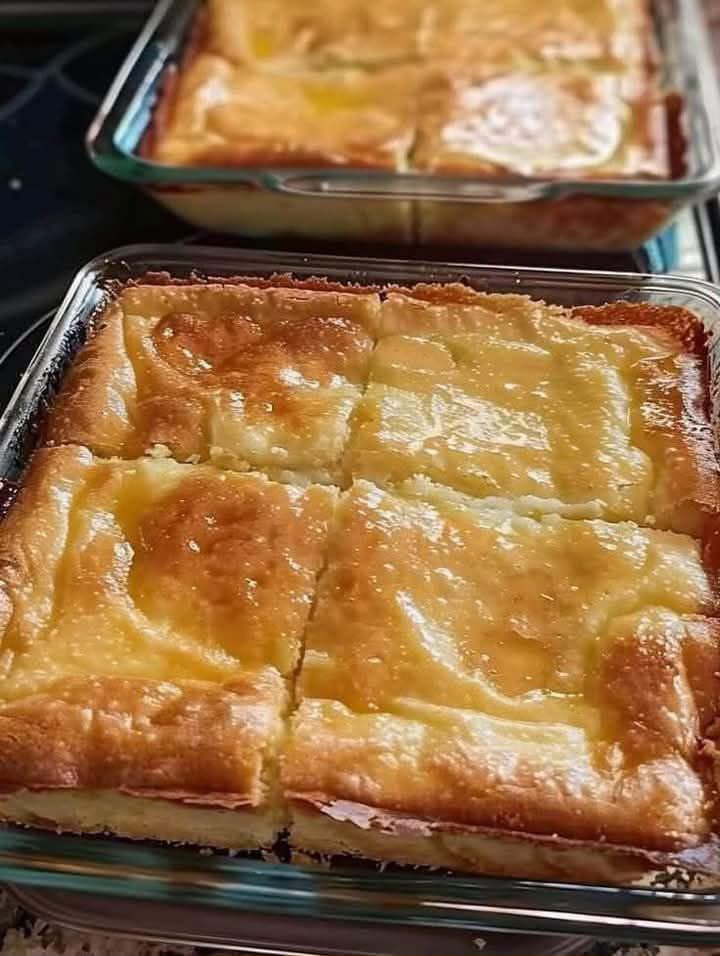
This delicious Butter Bath Cake is a simple, old-fashioned homemade dessert made with basic pantry ingredients. It features a soft, fluffy cake interior surrounded by a rich buttery bottom and beautifully golden edges.
What makes this cake special is its unique baking method: melted butter is poured directly into the baking dish before adding the cake batter. As the cake bakes, the butter creates a wonderfully rich, tender texture and a delicious golden crust.
This easy butter cake recipe requires no complicated equipment, no special techniques, and only a few minutes of preparation. Serve it warm with vanilla ice cream, whipped cream, or a drizzle of caramel sauce for the ultimate comforting dessert.
Recipe Overview
| Category | Details |
| Recipe Name | Butter Bath Cake |
| Preparation Time | 10 minutes |
| Baking Time | 35–40 minutes |
| Total Time | 45–50 minutes |
| Servings | 9 squares |
| Cuisine | American |
| Course | Dessert |
| Cooking Method | Baking |
| Difficulty | Easy |
Why You’ll Love This Recipe
This homemade butter cake is incredibly easy to prepare and uses affordable ingredients that you probably already have in your kitchen.
The combination of melted butter, milk, and vanilla creates a soft, tender crumb with rich buttery flavor and lightly crispy golden edges.
It is also wonderfully versatile. You can enjoy it plain, sprinkle cinnamon sugar on top, or serve it with your favorite dessert toppings.
Ingredients
For the Butter Bath Cake
| Ingredient | Quantity |
| Unsalted butter, melted | ½ cup (120 g) |
| All-purpose flour | 1⅔ cups (200 g) |
| Granulated sugar | 1 cup (200 g) |
| Baking powder | 2 teaspoons |
| Salt | 1 pinch |
| Whole milk | 1 cup (240 ml) |
| Vanilla extract | 1 teaspoon |
Optional Topping
| Ingredient | Quantity |
| Granulated sugar | 1–2 tablespoons |
| Ground cinnamon | ½ teaspoon |
| Vanilla ice cream | For serving |
| Whipped cream | For serving |
Step-by-Step Instructions
Step 1: Prepare the Oven and Baking Dish
Preheat your oven to 350°F (175°C).
Melt the butter and pour it directly into the bottom of an 8 × 8-inch (20 × 20 cm) square glass or ceramic baking dish.
Do not spread or mix the butter. Simply allow it to cover the bottom naturally.
Step 2: Prepare the Cake Batter
In a large mixing bowl, combine the all-purpose flour, granulated sugar, baking powder, and salt.
Whisk until all the dry ingredients are evenly distributed.
Gradually pour in the milk and vanilla extract.
Stir gently with a whisk or spatula until a smooth batter forms. Avoid overmixing, as this can make the cake dense instead of light and fluffy.
Step 3: Assemble the Cake
Carefully pour the prepared cake batter directly over the melted butter in the baking dish.
Do not stir or combine the batter with the butter.
The butter will naturally move around the edges and underneath the batter during baking, creating the signature buttery texture.
If desired, sprinkle a little granulated sugar or cinnamon over the top for extra flavor.
Step 4: Bake Until Golden
Place the baking dish in the preheated oven.
Bake for approximately 35–40 minutes, or until the top becomes beautifully golden brown and a toothpick inserted into the center comes out clean or with a few moist crumbs.
The edges should look slightly crisp while the center remains soft and tender.
Step 5: Cool and Serve
Remove the cake from the oven and allow it to cool for approximately 10–15 minutes.
Cut into squares and serve warm.
For an extra-special dessert, add a scoop of vanilla ice cream, a spoonful of whipped cream, or a drizzle of caramel sauce.
Best Tips for Perfect Butter Bath Cake
Use room-temperature milk to help the batter combine smoothly and bake evenly.
Do not stir the batter into the melted butter. Keeping the layers separate is important for achieving the signature buttery bottom and golden edges.
Avoid overmixing the batter because excessive mixing can develop gluten and create a tougher cake.
Use an appropriately sized baking dish so the cake cooks evenly without becoming too thick or too thin.
Allow the cake to rest briefly after baking so the buttery layers can settle before slicing.
Best Ingredient Options
Unsalted butter is ideal because it allows you to control the amount of salt in the recipe. For a richer flavor, high-quality butter works particularly well.
Whole milk produces a tender, moist cake, although 2% milk can also be used.
Pure vanilla extract adds a delicious aroma, while a little almond extract can provide a lovely variation.
For a slightly richer flavor, you can replace a small portion of the milk with heavy cream.
Recipe Variations
Cinnamon Butter Cake: Sprinkle cinnamon and sugar over the batter before baking for a warm, sweet topping.
Brown Sugar Butter Cake: Replace part of the granulated sugar with brown sugar for a deeper caramel-like flavor.
Lemon Butter Cake: Add fresh lemon zest and a tablespoon of lemon juice to the batter for a refreshing citrus twist.
Chocolate Butter Cake: Add 2 tablespoons of cocoa powder and a handful of chocolate chips for a chocolate-inspired version.
Vanilla Cream Butter Cake: Serve each square with whipped cream and a drizzle of vanilla glaze.
What to Serve With Butter Bath Cake
This warm homemade cake pairs beautifully with vanilla ice cream, fresh strawberries, raspberries, or blueberries.
For a comforting afternoon treat, enjoy a slice with coffee, tea, or a glass of cold milk.
You can also add caramel sauce, chocolate syrup, or homemade whipped cream for a more indulgent dessert.
Make-Ahead Instructions
You can prepare Butter Bath Cake several hours before serving.
Bake the cake according to the instructions, allow it to cool completely, and cover the baking dish.
For the best flavor and texture, serve it slightly warm after gently reheating individual portions.
Storage Instructions
Store leftover cake in an airtight container or cover the baking dish tightly with plastic wrap.
Keep it at room temperature for up to 2 days in a cool environment, or refrigerate for up to 5 days.
Because of its buttery texture, refrigeration may make the cake slightly firmer.
Reheating Instructions
For individual portions, microwave a piece for approximately 15–20 seconds until slightly warm.
Alternatively, place the cake in an oven-safe dish and warm at 300°F (150°C) for approximately 8–10 minutes.
Add a small scoop of vanilla ice cream just before serving.
Freezing Instructions
Allow the cake to cool completely before freezing.
Cut it into individual squares and wrap each piece tightly in plastic wrap.
Place the wrapped portions in a freezer-safe container or bag and freeze for up to 2 months for the best quality.
Thaw overnight in the refrigerator or at room temperature before reheating.
Common Mistakes to Avoid
Mixing the butter and batter: Pour the batter over the melted butter without stirring. This helps create the characteristic buttery texture.
Overmixing the batter: Stir only until the ingredients are combined to keep the cake soft and tender.
Using cold ingredients: Very cold milk can make the batter less uniform. Room-temperature milk is preferable.
Overbaking: Baking too long can dry out the cake. Check for doneness around the 35-minute mark.
Cutting too early: Allow the cake to rest before slicing so the texture can settle and the squares hold their shape.
Nutrition Information
Estimated nutrition per serving, based on 9 servings. Actual values may vary depending on the ingredients used.
| Nutrient | Approximate Amount |
| Calories | 285 kcal |
| Carbohydrates | 39 g |
| Protein | 4 g |
| Total Fat | 13 g |
| Saturated Fat | 8 g |
| Sugar | 22 g |
| Fiber | 1 g |
| Sodium | 160 mg |
Frequently Asked Questions
1. Why is it called Butter Bath Cake?
The name comes from the baking method, where melted butter is poured into the baking dish before adding the cake batter. The cake bakes in this buttery layer, creating a rich flavor and golden edges.
2. Can I use salted butter instead of unsalted butter?
Yes! Salted butter works well. Simply reduce or omit the additional pinch of salt.
3. Can I use a different baking dish?
Yes. A similar-sized ceramic or metal baking pan can work. However, baking times may vary depending on the material.
4. Why is my Butter Bath Cake soggy in the middle?
It may need additional baking time. Make sure the center is fully set before removing the cake from the oven.
5. Can I make this cake without vanilla extract?
Yes. You can omit it or replace it with almond extract, lemon zest, or another flavoring of your choice.
6. Can I add fruit to this recipe?
Absolutely! Fresh blueberries, sliced strawberries, or raspberries can add delicious flavor. Avoid adding too much fruit, as excess moisture can affect the cake’s texture.
7. Is Butter Bath Cake best served warm or cold?
It is especially delicious when served slightly warm because the buttery texture becomes soft and comforting. However, it is also enjoyable at room temperature.
Final Thoughts
This Easy Butter Bath Cake is proof that simple ingredients can create an incredibly delicious homemade dessert.
With its soft interior, rich buttery flavor, and golden edges, it is the perfect treat for family gatherings, weekend baking, holidays, or whenever you want something sweet without spending hours in the kitchen.
Serve it warm with vanilla ice cream or enjoy it plain with your favorite cup of coffee.
Once you try this easy homemade butter cake, it may quickly become one of your favorite simple dessert recipes!
Give it a try and let us know how yours turned out in the comments! 🧈🍰