
Introduction
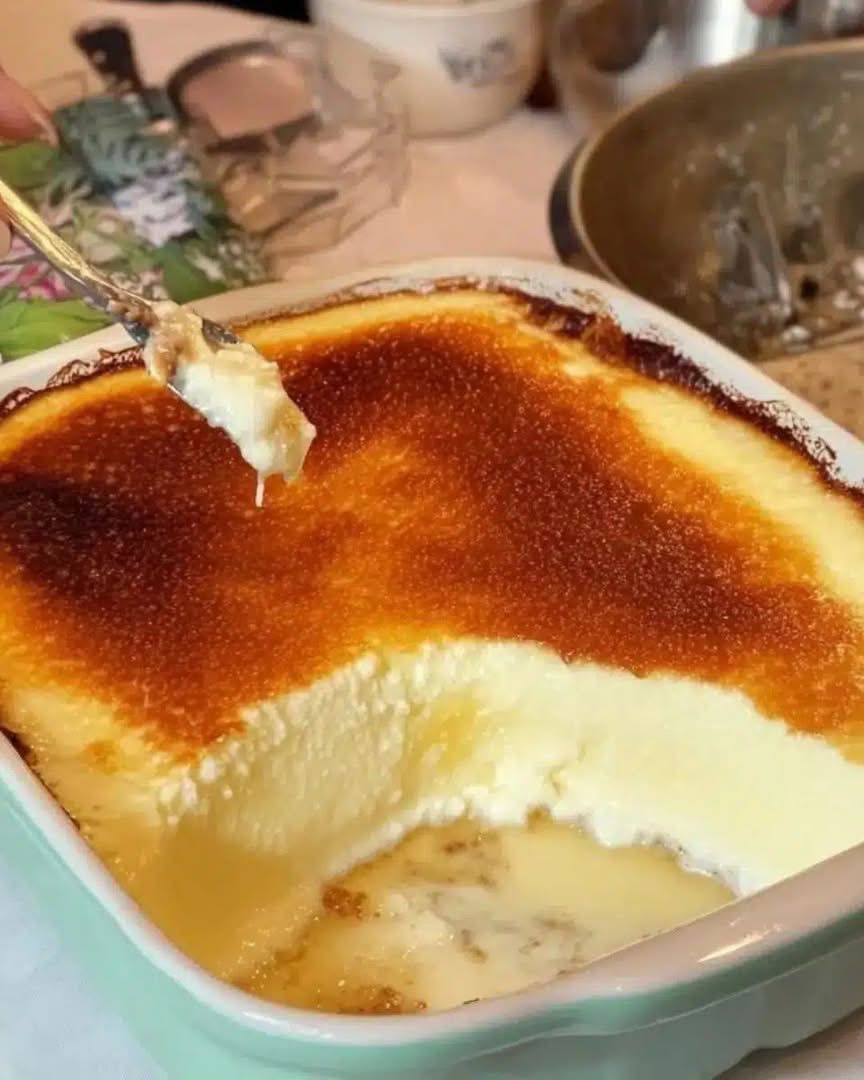
This Classic Caramelized Baked Custard is a simple, old-fashioned dessert made with whole milk, eggs, sugar, vanilla, and a touch of salt.
The result is a beautifully smooth and creamy custard with a golden, caramelized sugar topping.
A gentle water bath helps the custard bake evenly and prevents the delicate egg mixture from becoming rubbery.
This easy baked custard recipe is perfect for family desserts, weekend baking, afternoon tea, or an elegant homemade treat made with inexpensive pantry staples.
Recipe Overview
| Detail | Information |
| Prep Time | 15 minutes |
| Bake Time | 45–55 minutes |
| Cooling Time | 1–2 hours |
| Total Time | About 2 hours 10 minutes |
| Servings | 8 |
| Difficulty | Easy |
| Category | Dessert |
| Cuisine | Classic American-inspired |
Why You’ll Love This Recipe
This custard requires only a handful of simple ingredients but produces an elegant dessert with a wonderfully rich texture.
The creamy interior contrasts beautifully with the crisp caramelized sugar on top.
A water bath keeps the heat gentle and helps create a smooth, delicate texture.
It is also a budget-friendly dessert recipe because milk, eggs, and sugar are inexpensive ingredients that can be transformed into something special.
The recipe is easy enough for beginners while still looking impressive when served.
Ingredients
Baked Custard
| Ingredient | Measurement |
| Whole milk | 4 cups (960 ml) |
| Large eggs | 6 |
| Granulated sugar | ⅔ cup (135 g) |
| Vanilla powder | 1 tsp |
| Salt | ¼ tsp |
| Freshly grated nutmeg | Pinch, optional |
Caramelized Topping
| Ingredient | Measurement |
| Granulated sugar | 2 tbsp |
For Preparing the Dish
| Ingredient | Measurement |
| Butter or neutral oil | 1 tsp, approximately |
| Hot water | As needed for water bath |
Step-by-Step Instructions
Prepare the Oven and Baking Dish
Preheat your oven to 350°F (175°C).
Lightly grease a 9 × 9-inch baking dish with a small amount of butter or neutral oil.
Place the prepared dish inside a larger roasting pan.
The larger pan will be used to create the water bath.
Warm the Milk
Pour the whole milk into a saucepan.
Warm it over medium-low heat until it is hot but not boiling.
The milk should feel hot to the touch and produce light steam.
Remove it from the heat.
Allow it to cool for a minute or two if it is extremely hot.
Prepare the Egg Mixture
Add the eggs to a large mixing bowl.
Add the ⅔ cup sugar, vanilla powder, salt, and optional nutmeg.
Whisk gently until the mixture is smooth and evenly combined.
Avoid vigorously whipping the eggs because excessive air can create bubbles in the finished custard.
Add the Warm Milk
Slowly pour the warm milk into the egg mixture.
Whisk continuously as you pour.
Adding the milk gradually helps prevent the eggs from cooking or scrambling.
Continue whisking gently until everything is completely incorporated.
Strain the Custard
Pour the mixture through a fine-mesh sieve into a clean bowl or measuring jug.
This removes any small pieces of egg and helps create an exceptionally smooth custard.
If foam has formed on the surface, allow it to settle or gently skim it away.
Fill the Baking Dish
Pour the strained custard into the prepared baking dish.
Carefully transfer the roasting pan containing the baking dish to the oven.
Pour hot water into the roasting pan.
The water should reach approximately halfway up the sides of the custard dish.
Be careful not to splash water into the custard.
Bake the Custard
Bake at 350°F (175°C) for 45–55 minutes.
The edges should be set while the center should still have a gentle jiggle when the dish is carefully moved.
Do not wait for the center to become completely firm in the oven.
The custard will continue setting as it cools.
Remove From the Water Bath
Carefully remove the custard dish from the roasting pan.
Be extremely cautious because the water will be very hot.
Place the custard on a heatproof surface.
Allow it to cool for approximately 15–20 minutes.
Caramelize the Sugar
Sprinkle the remaining 2 tablespoons of granulated sugar evenly over the surface.
Place the custard under the oven broiler.
Broil for approximately 2–3 minutes, watching continuously.
The sugar should melt and become deeply golden brown.
Do not walk away during this step because sugar can go from caramelized to burned very quickly.
Cool and Serve
Remove the custard from the oven.
Allow it to cool at room temperature for approximately 30 minutes.
For a firmer, chilled texture, refrigerate for 1–2 hours before serving.
Cut into squares and serve.
Best Tips
Use room-temperature eggs when possible. They combine more easily with the warm milk.
Warm the milk gently rather than boiling it.
Whisk slowly when combining the eggs and milk to avoid incorporating too much air.
Always strain the custard before baking for the smoothest possible texture.
The water bath is important because it provides gentle, even heat around the custard.
The center should still jiggle slightly when the custard comes out of the oven.
Watch the broiler constantly when caramelizing the sugar.
Best Ingredient Options
Milk: Whole milk provides the richest texture. Reduced-fat milk can be used, but the custard will be slightly less creamy.
Vanilla: Vanilla powder gives a beautiful appearance, while vanilla bean seeds provide an intense natural vanilla flavor. Pure vanilla extract can also be used.
Sugar: Regular granulated sugar works best for the caramelized topping because it melts and browns evenly.
Nutmeg: Freshly grated nutmeg adds traditional warmth, but it can be omitted for a pure vanilla flavor.
Eggs: Use fresh large eggs for the best texture and flavor.
Recipe Variations
Vanilla Bean Custard
Replace the vanilla powder with the seeds from 1 vanilla bean.
Add the seeds to the warm milk before combining it with the eggs.
Cinnamon Custard
Add ½ teaspoon ground cinnamon to the egg mixture.
The warm spice pairs beautifully with the caramelized sugar.
Orange Vanilla Custard
Add 1 teaspoon finely grated orange zest along with the vanilla.
The citrus provides a fresh contrast to the rich custard.
Maple Custard
Replace 2 tablespoons of the granulated sugar with 2 tablespoons pure maple syrup.
The custard will have a subtle caramel-like flavor.
Nutmeg Custard
For a more traditional baked custard flavor, add ¼ teaspoon freshly grated nutmeg rather than just a pinch.
What to Serve With
Serve each slice on its own for a simple classic dessert.
Fresh strawberries, raspberries, or blueberries provide a refreshing contrast.
A few slices of fresh peach or pear are also delicious alongside the custard.
For a more indulgent dessert, add a small spoonful of lightly whipped cream.
A cup of coffee or black tea makes an excellent pairing.
Make-Ahead Instructions
This dessert is ideal for making ahead.
Prepare the custard completely and refrigerate it for up to 24 hours before serving.
For the best caramelized topping, add and broil the sugar relatively close to serving time.
If preparing the caramelized surface ahead, allow the sugar topping to cool completely before covering the custard.
Storage
Cover the custard tightly and refrigerate it.
It can be stored in the refrigerator for up to 3 days.
Keep the custard refrigerated rather than leaving it at room temperature for extended periods.
Reheating
This custard is generally best served chilled or at room temperature.
If you prefer it slightly warm, place an individual serving in the microwave for approximately 10–15 seconds.
Avoid prolonged heating because excessive heat can cause the custard to become watery or curdled.
Freezing
Freezing is not recommended for this recipe.
The delicate custard can become grainy or watery after thawing.
For the best creamy texture, prepare it fresh and refrigerate it instead.
Common Mistakes to Avoid
Boiling the Milk
Boiling milk can make the temperature too high when it is combined with the eggs.
Warm it gently until steaming.
Scrambling the Eggs
Adding very hot milk too quickly can partially cook the eggs.
Pour the milk slowly while whisking continuously.
Skipping the Straining Step
Even if the mixture looks perfectly smooth, straining removes tiny pieces of cooked egg and improves the final texture.
Overbaking the Custard
A fully firm center in the oven usually means the custard has been baked too long.
Look for set edges and a slight jiggle in the center.
Skipping the Water Bath
Direct oven heat can cause the edges to cook too quickly.
The water bath provides gentle, even heat.
Burning the Sugar
The broiler works extremely quickly.
Stay beside the oven and remove the custard as soon as the sugar becomes deeply golden.
Nutrition Estimate
Approximate nutrition per serving, assuming 8 servings:
| Nutrient | Estimated Amount |
| Calories | 210 kcal |
| Protein | 7 g |
| Carbohydrates | 28 g |
| Fat | 8 g |
| Saturated Fat | 4 g |
| Sugar | 28 g |
| Sodium | 110 mg |
Nutrition information is an estimate and may vary depending on the exact ingredients and serving size.
Frequently Asked Questions
Why is my custard watery?
The custard may be underbaked or may not have had enough time to cool and set.
Bake until the edges are firm and the center has only a gentle jiggle.
Why does my custard have bubbles?
Vigorous whisking can incorporate air into the eggs.
Whisk gently and allow the mixture to settle before baking.
Straining the mixture also helps.
Can I use evaporated milk?
Yes. Evaporated milk can provide a richer flavor, although it will change the traditional texture slightly.
Can I use vanilla extract?
Absolutely.
Replace the vanilla powder with 2 teaspoons pure vanilla extract.
Add it after the warm milk has been incorporated.
Do I have to use a water bath?
For the smoothest custard, yes, it is highly recommended.
The water bath helps prevent the edges from overcooking before the center is ready.
Can I make this custard without nutmeg?
Yes.
Nutmeg is completely optional and can be omitted without affecting the basic recipe.
How do I know when it is done?
Gently move the baking dish.
The edges should look set while the center should have a slight wobble.
The custard will firm as it cools.
Can I caramelize the topping without a broiler?
Yes.
A kitchen torch can be used to caramelize the sugar evenly.
Move the flame continuously to prevent one area from burning.
Final Thoughts
This Classic Caramelized Baked Custard proves that simple ingredients can create an elegant homemade dessert.
The silky baked custard, fragrant vanilla, and crisp caramelized sugar create a delicious contrast in every bite.
For the best results, use a gentle water bath, strain the custard before baking, avoid overbaking, and watch the sugar carefully under the broiler.
Whether you are looking for an easy dessert recipe, a budget-friendly baking idea, or a classic homemade custard for a family gathering, this recipe is simple, reliable, and wonderfully satisfying.