
Introduction
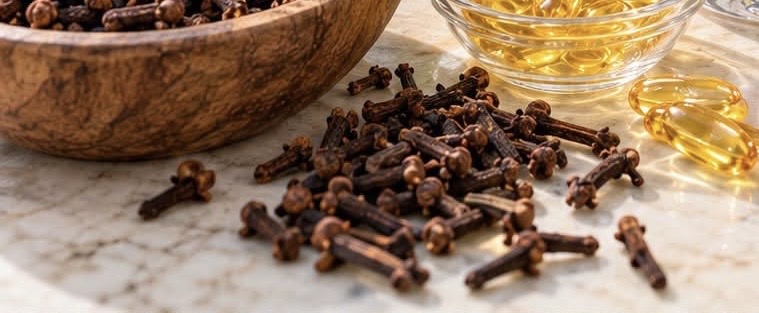
The viral “Botox Oil” skincare recipe has gained attention on social media for its promise to make the skin look up to 10 years younger with a simple overnight application. Made with ingredients such as cloves, baby oil, aloe vera gel, vitamin E, rose water, and glycerin, this homemade beauty serum is often promoted as a natural alternative to expensive anti-aging skincare products.
However, it is important to understand that this homemade mixture is not equivalent to Botox injections and has not been scientifically proven to erase wrinkles or make the skin look 10 years younger.
Some of its ingredients have legitimate cosmetic uses. Glycerin helps attract moisture to the skin, aloe vera gel can provide a soothing sensation, and certain moisturizing products can temporarily improve the appearance of dry skin. On the other hand, clove preparations may irritate the skin, and combining several ingredients at home can create stability and preservation problems.
In this guide, you will learn about the ingredients in this viral skincare recipe, their potential cosmetic benefits, safer preparation alternatives, and essential precautions for maintaining healthy-looking skin.
Recipe Overview
| Feature | Details |
| Recipe name | DIY Botox Oil-Inspired Facial Serum |
| Category | Homemade skincare |
| Preparation time | Approximately 10–15 minutes |
| Application | Facial skincare |
| Intended use | Moisturizing and improving the appearance of dry skin |
| Texture | Potentially oily or gel-like |
| Main ingredients | Baby oil, aloe vera gel, glycerin, rose water, vitamin E |
| Botanical ingredient | Cloves |
| Storage | Depends on the formulation; no validated shelf life for this homemade mixture |
| Important limitation | Not a proven Botox treatment or wrinkle-removal solution |
Why You’ll Want to Learn About This Skincare Recipe
This viral skincare recipe attracts attention because it combines familiar ingredients often associated with moisturizing, soothing, and anti-aging skincare routines.
Understanding what each ingredient can realistically do helps you choose products that suit your skin without spending money on exaggerated beauty promises.
Moisturized skin often looks smoother because hydration can temporarily soften the appearance of fine lines caused by dryness. However, this effect is different from reversing established wrinkles or relaxing facial muscles.
Learning about ingredient compatibility is also important. Oil, water, aloe vera gel, and glycerin do not automatically form a stable, well-preserved serum when mixed together at home.
Ingredients
The following table describes the ingredients used in the viral recipe. Because the original formula does not provide reliable proportions or a validated formulation, the ingredients should not simply be combined into a leave-on facial serum.
| Ingredient | Amount in the viral recipe | Cosmetic purpose and precautions |
| Whole cloves | Quantity unspecified | Contain aromatic compounds that may irritate the skin |
| Baby oil | Quantity unspecified | Mineral oil-based product that helps reduce moisture loss |
| Aloe vera gel | Quantity unspecified | May provide a soothing sensation; some formulas contain fragrance or preservatives |
| Vitamin E capsules | Quantity unspecified | Contain vitamin E, but capsule contents may not be designed for facial use |
| Rose water | Quantity unspecified | Provides fragrance and a refreshing sensation |
| Glycerin | Quantity unspecified | Humectant that attracts water to the outer layers of the skin |
Important: There is no established safe proportion for this particular homemade mixture. For facial use, it is safer to choose a commercially formulated moisturizer with appropriate preservation and ingredients suited to your skin type.
Step-by-Step Instructions
Step 1: Understand the Clove Infusion
The viral recipe suggests warming or soaking cloves in baby oil to extract their aromatic compounds.
However, clove contains eugenol, a substance that can cause skin irritation and allergic contact dermatitis. Concentration can vary considerably depending on the preparation method.
For this reason, avoid making a concentrated clove infusion for overnight facial application, especially around the eyes, lips, or other sensitive areas.
Step 2: Choose a Suitable Moisturizer
Instead of mixing baby oil, aloe vera gel, rose water, and vitamin E capsules into an untested formula, choose a fragrance-free facial moisturizer formulated for your skin type.
For dry skin, ingredients such as glycerin, ceramides, and hyaluronic acid can help maintain hydration.
For oily or acne-prone skin, look for a lightweight, non-comedogenic moisturizer.
Step 3: Avoid Combining Unpreserved Ingredients
Water-based ingredients, including rose water and many aloe vera gels, can introduce conditions that support microbial growth when mixed into a homemade cosmetic.
Adding vitamin E does not provide adequate preservation against bacteria, yeast, or mold. A clean bottle alone also does not make a homemade skincare mixture microbiologically safe.
Do not combine these ingredients into a stored overnight serum without a properly developed formulation and an appropriate preservative system.
Step 4: Perform a Skin Patch Test
Before using a new cosmetic product, follow the manufacturer’s instructions for testing it on a small area of skin.
Do not test concentrated clove oil or an irritating homemade clove preparation directly on your face. Stop using a product if you experience burning, itching, redness, swelling, or a rash.
A patch test cannot guarantee that a product will never cause irritation or an allergic reaction.
Step 5: Apply a Suitable Facial Moisturizer
Cleanse your face with a gentle cleanser and pat your skin dry.
Apply a small amount of a suitable facial moisturizer according to its product instructions. Avoid the eyelids and any areas that are irritated or broken.
During the daytime, use broad-spectrum sunscreen with SPF 30 or higher to help protect against UV-related skin aging.
Best Tips for Healthy, Younger-Looking Skin
Consistency is more important than complicated homemade skincare mixtures. A gentle cleanser, a suitable moisturizer, and daily sunscreen form a practical foundation for a healthy-looking complexion.
Choose products according to your skin type. Dry skin may benefit from richer creams containing ceramides and glycerin, while oily skin often responds better to lightweight, non-comedogenic formulas.
Avoid strong fragrances and concentrated botanical ingredients if your skin is sensitive. Natural ingredients can still cause irritation, and using several new products at once makes it difficult to identify the cause of a reaction.
For concerns about fine lines, uneven skin tone, or texture, consider evidence-informed skincare ingredients such as retinoids, when appropriate. Retinoids can cause irritation and may not be suitable for everyone. People who are pregnant or planning pregnancy should seek medical advice about avoiding topical retinoids.
Finally, remember that no homemade oil can reproduce the muscle-relaxing effects of Botox injections.
Best Ingredient Options
| Ingredient or product | Potential benefit | Best suited for |
| Glycerin | Helps attract moisture | Many skin types |
| Ceramides | Help support the skin barrier | Dry or sensitive skin |
| Hyaluronic acid | Helps hydrate the outer skin layers | Many skin types |
| Fragrance-free moisturizer | Helps maintain skin hydration | Most skin types |
| Mineral oil in a formulated product | Helps reduce moisture loss | Dry skin, depending on individual tolerance |
| Broad-spectrum SPF 30+ sunscreen | Helps prevent UV-related skin damage | Daily daytime skincare |
| Aloe vera gel in a suitable commercial formula | May provide a soothing sensation | Some people with non-irritated skin |
No single ingredient works identically for everyone. The best choice depends on your skin type, sensitivities, and specific skincare goals.
Recipe Variations and Safer Alternatives
Hydrating Facial Routine
For a simple skincare routine, use a gentle cleanser followed by a fragrance-free moisturizer containing glycerin or ceramides. This approach helps support the skin barrier without the uncertainty of a homemade mixture.
Lightweight Routine for Oily Skin
Choose a lightweight, non-comedogenic moisturizer. Avoid layering several oily or heavily fragranced products if they contribute to clogged pores or breakouts.
Nourishing Routine for Dry Skin
A richer moisturizer can help reduce moisture loss and temporarily soften the appearance of fine lines caused by dryness. If your skin tolerates mineral oil, a commercially formulated product containing it may be useful.
Anti-Aging Skincare Routine
For long-term skin health, prioritize daily sunscreen, gentle cleansing, and regular moisturizing. Certain topical retinoids have evidence supporting improvements in the appearance of fine lines and photoaged skin, but they should be introduced carefully and used with appropriate professional guidance when needed.
Aloe Vera and Glycerin Products
Instead of mixing aloe vera gel and glycerin at home, choose a commercially formulated product containing these ingredients. A professionally formulated product is more likely to have suitable ingredient proportions, stability, and preservation.
What to Use Alongside Your Skincare Routine
Daily sun protection is one of the most important steps for reducing premature skin aging. Apply a broad-spectrum SPF 30 or higher sunscreen and reapply as directed, especially after swimming, sweating, or prolonged outdoor exposure.
A balanced diet containing fruits, vegetables, protein, and healthy fats can support overall health. Adequate sleep and avoiding smoking are also helpful for general skin health.
Avoid harsh scrubs, excessive exfoliation, and multiple irritating products in an attempt to remove wrinkles quickly.
For persistent acne, significant pigmentation, eczema, or pronounced wrinkles, a dermatologist can recommend treatments tailored to your skin.
Make-Ahead Instructions
This homemade “Botox Oil” mixture should not be prepared in advance for storage.
Because the proposed formula combines oil-based ingredients with water-containing products, it may separate and may not have adequate protection against microbial contamination.
If you want a ready-to-use nighttime skincare product, choose a commercially formulated serum or moisturizer with clear ingredient information, usage directions, and an expiration date.
Storage
Do not store a homemade mixture of baby oil, aloe vera gel, rose water, glycerin, and vitamin E capsules for repeated facial use.
There is no validated shelf life for this combination, and refrigeration does not guarantee that it is safe.
Keep commercial skincare products in their original containers, follow the manufacturer’s storage instructions, and avoid using products that have changed in color, smell, or texture.
Reheating
Reheating this homemade skincare mixture is not recommended.
Heating the ingredients does not establish a safe formulation, prevent microbial growth, or guarantee that the active ingredients remain stable.
Use cosmetic products according to their original instructions rather than attempting to improve a homemade formula by warming it.
Freezing
Freezing the homemade serum is not a reliable method for preserving its safety or stability.
Changes in temperature can affect the texture and separation of mixtures containing oil, water, and gels. Freezing also does not reliably eliminate microorganisms or make an unsuitable formulation safe for the skin.
A properly formulated commercial product is a more dependable option.
Common Mistakes to Avoid
Believing the Botox claim. Botox injections work by temporarily reducing muscle activity. A homemade oil cannot reproduce this mechanism or guarantee that wrinkles will disappear.
Using concentrated clove preparations on the face. Eugenol can irritate the skin and may cause allergic reactions. Avoid applying concentrated clove oil or homemade clove infusions to sensitive facial areas.
Mixing oil and water-based ingredients without proper formulation. Baby oil, rose water, and aloe vera gel do not necessarily form a stable mixture. Without suitable formulation and preservation, the product may separate or become contaminated.
Assuming vitamin E preserves the serum. Vitamin E acts primarily as an antioxidant in certain formulations. It is not a substitute for a cosmetic preservative system.
Ignoring skin sensitivity. Fragrances, botanical extracts, and certain oils may worsen irritation or breakouts. Discontinue use if redness, itching, burning, or swelling develops.
Expecting overnight wrinkle removal. Moisturizers can temporarily improve the appearance of dehydration-related fine lines, but meaningful changes in wrinkles generally require realistic expectations and consistent, appropriate skincare.
Skipping sunscreen. Sun exposure contributes to premature skin aging. Daily sun protection is more evidence-based than relying on a homemade anti-aging oil.
Nutrition Estimate
This is a topical skincare recipe, not a food recipe, so nutritional values are not applicable.
| Nutritional information | Amount |
| Calories | Not applicable |
| Protein | Not applicable |
| Carbohydrates | Not applicable |
| Fat | Not applicable |
| Fiber | Not applicable |
| Vitamins and minerals per application | Not established |
| Recommended oral serving | Not applicable; not intended for consumption |
Do not ingest this skincare mixture. Cosmetic ingredients and capsules intended for topical use should not be assumed to be suitable for eating.
Frequently Asked Questions
Does Botox Oil really make you look 10 years younger?
There is no reliable clinical evidence that this homemade mixture makes people look 10 years younger. Moisturizing can temporarily improve skin smoothness, but it does not reproduce the effects of Botox injections.
Can cloves remove wrinkles?
Cloves contain eugenol and other aromatic compounds, but there is insufficient clinical evidence that applying homemade clove preparations removes wrinkles. Concentrated clove products can irritate the skin.
Is baby oil good for facial skin?
Baby oil commonly contains mineral oil, which can help reduce moisture loss. Some people tolerate it well, while others may find heavier products unsuitable for their skin or acne concerns. A facial moisturizer labeled non-comedogenic may be a better option for acne-prone skin.
Can aloe vera gel and vitamin E be mixed together?
They can be combined in certain professionally formulated cosmetic products, but mixing them at home does not guarantee stability, preservation, or suitability for facial use.
Vitamin E capsules may contain additional ingredients that are not intended for every skin type.
Can I leave homemade Botox Oil on my face overnight?
It is not advisable to leave this untested mixture on your face overnight. The clove preparation may cause irritation, and the combination of oil and water-based ingredients may lack adequate preservation.
Use a commercially formulated nighttime moisturizer instead.
Does rose water reduce wrinkles?
Rose water may provide a refreshing sensation, depending on its formulation, but there is insufficient evidence that it removes established wrinkles. Fragranced products can irritate sensitive skin.
Is glycerin good for anti-aging skincare?
Glycerin is a humectant that attracts water to the outer layers of the skin. By improving hydration, it can temporarily make fine lines associated with dryness less noticeable. It does not permanently eliminate wrinkles.
What is the safest way to reduce the appearance of wrinkles?
Daily broad-spectrum sunscreen, regular moisturizing, gentle cleansing, and avoiding smoking are practical foundations. Certain topical retinoids may improve photoaged skin, but suitability and potential side effects should be discussed with a qualified healthcare professional when appropriate.
Final Thoughts
The viral “Botox Oil” recipe combines several ingredients commonly associated with skincare, but its promise of making the face look 10 years younger is not supported by reliable scientific evidence.
Glycerin, suitable moisturizers, and some aloe vera products can help maintain skin hydration. However, concentrated clove preparations may cause irritation, and mixing oil-based and water-based ingredients at home can create preservation and stability problems.
For healthier-looking skin, focus on a gentle skincare routine, appropriate moisturizing, daily sunscreen, and products formulated for your skin type. If you are concerned about wrinkles, pigmentation, or persistent skin irritation, a dermatologist can help you choose suitable treatments.
⚠️This recipe may not be suitable for everyone, so it is advisable to consult a doctor.