
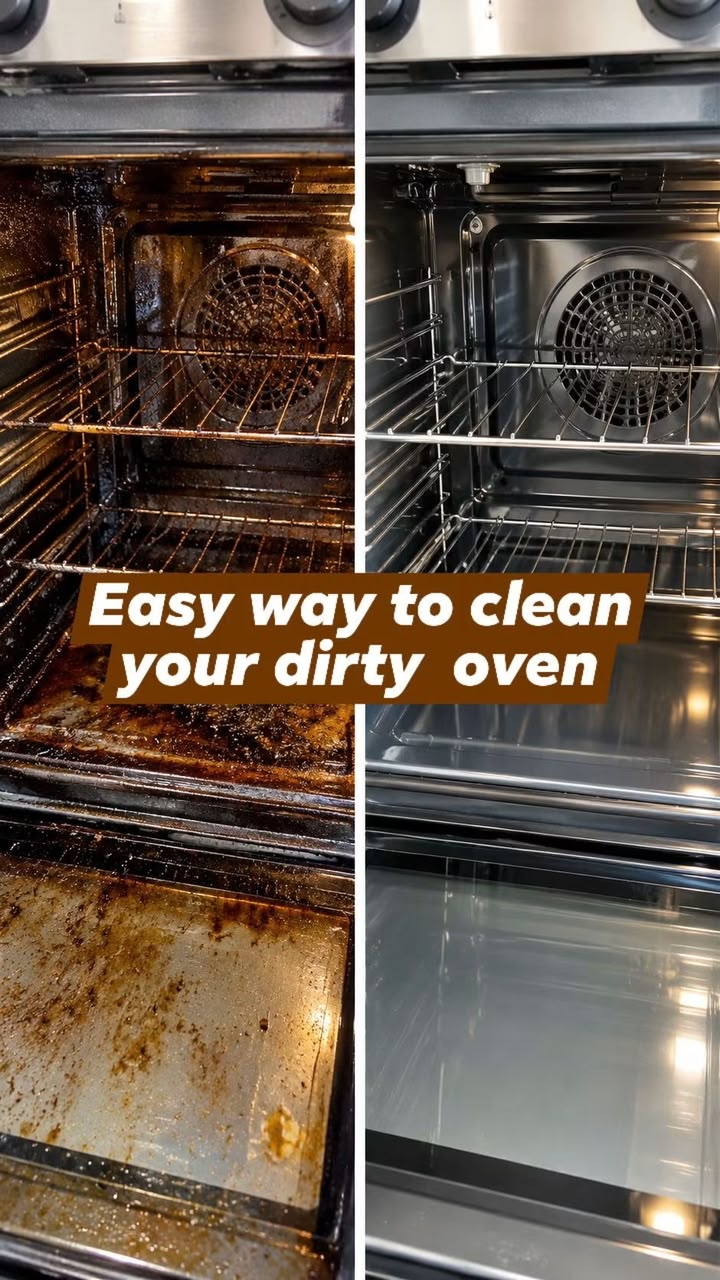
Is your oven covered with stubborn grease, burnt food, and dark stains? This homemade baking soda oven cleaner is a simple and affordable way to tackle tough oven messes without relying on harsh commercial cleaning products.
Made with baking soda, water, and white vinegar, this easy DIY cleaning method helps loosen baked-on grease and food residue, making it easier to wipe away dirt and restore a cleaner-looking oven.
The best part is that you only need a few basic household ingredients and a little patience. Let the cleaning paste work overnight, then wipe away the loosened grime the next morning.
Cleaning Method Overview
| Detail | Information |
| Preparation Time | 10 minutes |
| Resting Time | 12 hours or overnight |
| Cleaning Time | 15–30 minutes |
| Total Time | Approximately 12 hours 25 minutes |
| Difficulty | Easy |
| Cleaning Area | Oven Interior |
| Main Ingredient | Baking Soda |
| Cleaning Method | Overnight Cleaning Paste |
Why You’ll Love This Cleaning Method
This homemade oven cleaner is inexpensive, easy to prepare, and uses ingredients that many households already have.
Baking soda acts as a mild abrasive that helps loosen grease, burnt food, and stubborn surface residue.
White vinegar provides a little extra cleaning action and helps remove remaining alkaline baking soda residue during wiping.
Unlike many commercial oven cleaners, this method does not require a strong chemical cleaning spray. However, it still requires proper precautions and thorough rinsing.
Ingredients and Materials
| Ingredient or Material | Quantity | Purpose |
| Baking soda | ½ cup | Helps loosen grease and food residue |
| Water | 2–4 tablespoons | Creates a spreadable cleaning paste |
| White vinegar | As needed | Helps remove remaining baking soda residue |
| Damp microfiber cloth or sponge | 1–2 | Wipes away dirt and cleaning residue |
| Household cleaning gloves | 1 pair | Protects your hands |
| Small mixing bowl | 1 | Prepares the cleaning paste |
Step-by-Step Cleaning Instructions
Step 1: Prepare the Oven
Make sure the oven is completely switched off and has cooled down.
Remove the oven racks, baking trays, and any removable accessories.
Wipe away loose crumbs and food particles from the bottom of the oven using a dry cloth.
Step 2: Prepare the Baking Soda Paste
Add ½ cup of baking soda to a small mixing bowl.
Gradually add 2–4 tablespoons of water, mixing until you obtain a thick, spreadable paste.
If the mixture is too dry, add a little more water. If it becomes too runny, add another small amount of baking soda.
Step 3: Apply the Cleaning Paste
Put on your household cleaning gloves.
Spread the baking soda paste over the greasy interior surfaces of the oven, including the bottom, sides, and door interior where appropriate.
Pay extra attention to areas with visible grease and burnt food residue.
Avoid applying the mixture to heating elements, fans, vents, electrical components, door seals, and sensitive surfaces.
Step 4: Let the Paste Work Overnight
Leave the baking soda paste in place for approximately 12 hours or overnight.
During this time, the paste helps loosen stubborn grease and baked-on food residue, making the next cleaning step easier.
Step 5: Spray With White Vinegar
The following day, lightly spray white vinegar over the dried baking soda paste.
You may notice a gentle bubbling reaction as the vinegar comes into contact with the baking soda.
This reaction can help loosen residue, although mixing the two ingredients also neutralizes much of their cleaning power.
Step 6: Wipe Away the Dirt
Use a damp sponge or microfiber cloth to gently wipe away the paste and loosened grime.
For stubborn areas, allow the damp cloth to rest briefly over the residue before wiping again.
Avoid using abrasive metal scrubbers that could scratch the oven’s interior coating.
Step 7: Rinse and Finish
Wipe the entire cleaned area several times with a fresh, clean, damp cloth.
Remove all visible baking soda and vinegar residue.
Finally, dry the oven interior with a clean microfiber cloth and leave the oven door open until everything is completely dry.
Best Tips for a Cleaner Oven
Always start with a completely cool oven to avoid burns and prevent the cleaning paste from drying too quickly.
Apply a slightly thicker layer of paste to heavily soiled areas, while avoiding sensitive components.
Use a soft sponge rather than a rough scouring pad to protect the oven’s interior finish.
For stubborn burnt-on grease, gently repeat the wiping process instead of scrubbing aggressively.
Always check your oven manufacturer’s cleaning instructions before applying homemade cleaning products.
Best Ingredient Options
Baking Soda: The main ingredient in this cleaning method. Its mild abrasive properties help loosen surface grime and grease.
White Vinegar: Useful for wiping away remaining alkaline residue, although it should not be considered a powerful grease remover on its own.
Warm Water: Helps soften dried cleaning paste and makes wiping easier.
Microfiber Cloth: Ideal for removing residue without scratching compatible oven surfaces.
Cleaning Variations
Quick Oven Cleaning: For light grease and everyday dirt, prepare a thinner baking soda paste, apply it to the affected areas, and leave it for 30–60 minutes before wiping.
Extra-Greasy Oven Cleaning: Apply the paste to stubborn grease spots and leave it overnight before gently removing the residue.
Oven Door Cleaning: Use a small amount of baking soda paste on compatible glass surfaces. Avoid getting the mixture into door openings, vents, or between glass panels.
Oven Rack Cleaning: Remove the racks and clean them separately according to the manufacturer’s recommendations. Avoid using this method on special coatings without checking compatibility.
What to Clean Along With Your Oven
Once the oven interior is clean, you can refresh other compatible kitchen surfaces.
Clean the removable oven racks, baking trays, oven door exterior, and surrounding stovetop surfaces using appropriate cleaning products.
For stainless steel surfaces, use a cleaner specifically designed for stainless steel to avoid damaging the finish.
Make-Ahead Instructions
You can prepare the baking soda paste shortly before starting the cleaning process.
For best results, make only enough paste for one cleaning session rather than storing a large batch.
The paste is quick to prepare and works best when freshly mixed.
Storage Instructions
Store unused baking soda in its original container in a cool, dry place.
Keep white vinegar in its original bottle with the lid tightly closed.
Do not store vinegar and baking soda together in a sealed container because their reaction releases carbon dioxide gas.
Reapplication Instructions
If some stubborn grease remains after the first cleaning session, repeat the baking soda treatment on the affected areas.
Allow the paste to sit before gently wiping again.
For extremely heavy carbonized grease, a manufacturer-approved oven cleaner may be more effective.
Freezing Instructions
Freezing is not necessary for this cleaning method. Baking soda and white vinegar can be stored and used at room temperature.
Common Cleaning Mistakes to Avoid
Cleaning a Hot Oven: Always allow the oven to cool completely before applying the paste.
Applying Paste to Heating Elements: Avoid coating heating elements, fans, vents, and electrical components.
Using Too Much Water: A runny paste is difficult to apply and may drip into sensitive oven areas.
Scrubbing Too Aggressively: Metal brushes and abrasive pads can scratch protective oven coatings.
Leaving Baking Soda Residue Behind: Wipe the oven thoroughly with a clean, damp cloth before using it again.
Mixing Too Many Cleaning Products: Never combine vinegar with bleach, ammonia, or commercial oven cleaners.
Ignoring Manufacturer Instructions: Some ovens have self-cleaning coatings, catalytic liners, or other special surfaces that should not be treated with homemade cleaning pastes.
Cleaning Benefits and Important Precautions
| Ingredient | Cleaning Benefit |
| Baking Soda | Mild abrasive action helps loosen surface dirt |
| White Vinegar | Helps remove alkaline residue |
| Water | Softens dried paste and assists rinsing |
| Microfiber Cloth | Removes loosened grime and residue |
Important safety advice:
- Wear household cleaning gloves.
- Keep the oven switched off and completely cool.
- Avoid contact with heating elements and electrical components.
- Never mix vinegar with bleach or ammonia.
- Do not apply acidic cleaners to surfaces that may be damaged by them.
- Remove all cleaning residue before heating the oven again.
- Keep cleaning ingredients away from children and pets.
Frequently Asked Questions
1. Does baking soda really clean a very dirty oven?
Baking soda can help loosen ordinary grease, food residue, and some burnt-on stains. However, extremely heavy carbonized grease may require a specialized oven cleaner.
2. How long should I leave baking soda paste in the oven?
For stubborn grease, approximately 12 hours or overnight is commonly used. Always check that the paste is suitable for your oven’s interior material.
3. Can I use vinegar and baking soda together?
Yes, but the combination produces a bubbling reaction and neutralizes much of the acidity and alkalinity. For stubborn grease, baking soda paste is the more important part of this method.
4. Can I clean oven glass with baking soda?
Yes, baking soda paste can be used on some compatible oven glass surfaces. Apply gently and avoid abrasive scrubbing or getting moisture into the door openings.
5. Can I use this method on a self-cleaning oven?
Check the manufacturer’s instructions first. Some self-cleaning and catalytic oven surfaces can be damaged by homemade cleaning pastes.
6. How often should I clean my oven?
A light cleaning every few weeks and a deeper cleaning every few months can help prevent stubborn grease accumulation. The ideal frequency depends on how often you use your oven.
7. Will this method remove burnt-on grease completely?
It can remove many ordinary grease deposits and food residues, but very old or heavily carbonized stains may not disappear completely.
8. Can I use this cleaning paste on oven racks?
It depends on the rack material and coating. Check the manufacturer’s instructions before using baking soda paste or other abrasive cleaners.
Final Thoughts
This DIY baking soda oven cleaner is a simple and affordable way to tackle everyday kitchen grease and stubborn food residue.
With just baking soda, water, and a little white vinegar, you can prepare an easy overnight cleaning treatment that helps loosen dirt and makes wiping your oven much easier.
For the best results, allow enough resting time, use gentle cleaning tools, and always rinse away every trace of the cleaning paste before using your oven again!