
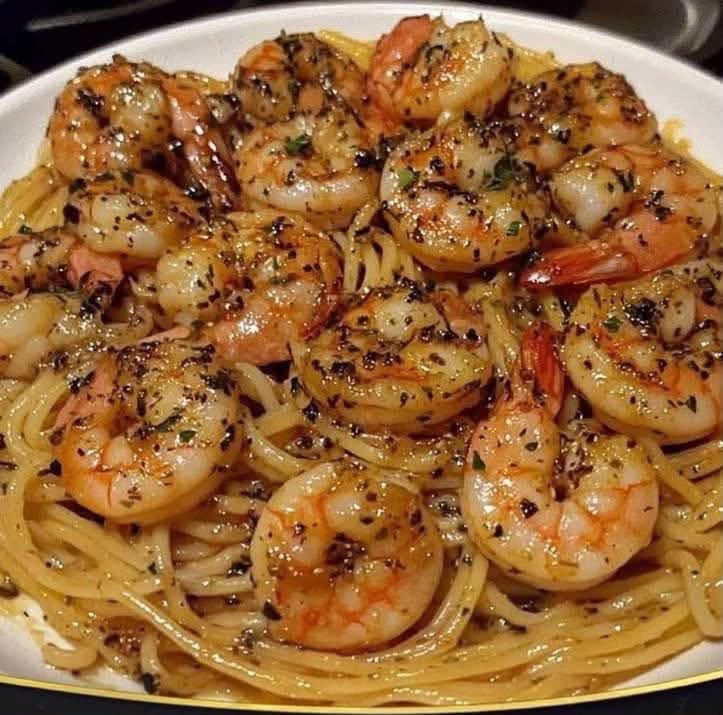
This Garlic Butter Shrimp Linguine is a quick, flavorful pasta dinner made with tender shrimp, golden garlic, creamy butter, fresh parsley, olive oil, and a bright squeeze of lemon juice.
Ready in under 20 minutes, this easy shrimp pasta is perfect for busy weeknights when you want a restaurant-style meal without spending hours in the kitchen.
The combination of buttery garlic sauce, juicy shrimp, fresh herbs, and al dente pasta creates a comforting dish that feels both simple and special.
Recipe Overview
| Details | Information |
| Prep Time | 8 minutes |
| Cook Time | 10–12 minutes |
| Total Time | About 18–20 minutes |
| Servings | 4 |
| Cuisine | Italian-inspired |
| Difficulty | Easy |
| Main Ingredients | Shrimp, pasta, garlic, butter, lemon |
| Best Served | Hot |
Why You’ll Love This Recipe
This shrimp linguine is incredibly fast and easy to prepare. Most of the cooking happens at the same time, so you can have dinner on the table in less than 20 minutes.
The garlic butter sauce is rich and fragrant, while fresh lemon juice adds acidity that keeps the dish from feeling too heavy.
The shrimp cook quickly in a hot skillet, developing a lightly golden exterior while staying juicy and tender inside.
Another advantage is that this recipe uses simple ingredients that are easy to find. There is no complicated cream sauce or lengthy preparation required.
Ingredients
Pasta and Shrimp
| Ingredient | Amount |
| Linguine or spaghetti | 350 g (12 oz) |
| Peeled and deveined shrimp | 400 g (14 oz) |
| Unsalted butter | 50 g (about 3½ tbsp) |
| Extra-virgin olive oil | 2 tbsp |
| Fresh garlic, finely chopped | 4 cloves |
| Fresh lemon juice | 2 tbsp |
| Fresh parsley, chopped | 3 tbsp |
| Red pepper flakes or crushed black pepper | ½ tsp |
| Salt | To taste |
| Black pepper | To taste |
For the best texture, use medium or large shrimp that have been peeled and deveined.
Step-by-Step Instructions
1. Cook the Pasta
Bring a large pot of water to a rolling boil.
Generously salt the water, then add the linguine or spaghetti.
Cook according to the package instructions until al dente, usually about 8–10 minutes depending on the pasta.
Before draining, reserve approximately ½ cup (120 ml) of pasta cooking water.
Drain the pasta and set it aside.
2. Season the Shrimp
Pat the shrimp dry with paper towels. This helps them sear rather than steam in the pan.
Season both sides with salt, black pepper, and a small amount of red pepper flakes if desired.
3. Sauté the Shrimp
Place a large skillet over medium-high heat.
Add approximately 1 tablespoon of olive oil and 20 g of the butter.
Once the butter has melted and the pan is hot, add the shrimp in a single layer.
Cook for approximately 1–2 minutes per side, depending on their size.
The shrimp should turn pink and opaque with lightly golden edges.
Do not overcook them, as shrimp can become rubbery when left in the pan too long.
Transfer the cooked shrimp to a plate and set aside.
4. Make the Garlic Butter Sauce
Reduce the heat to medium-low.
Add the remaining butter and olive oil to the same skillet.
Add the chopped garlic and sauté for approximately 1 minute, stirring frequently.
The garlic should become fragrant but should not turn dark brown or burn.
Burnt garlic can make the sauce taste bitter.
5. Add Lemon and Pasta Water
Pour in the fresh lemon juice.
Add a small splash of the reserved pasta water and stir to combine.
The pasta water contains starch, which helps the butter, oil, lemon juice, and pasta come together into a glossy sauce.
6. Combine Everything
Add the cooked linguine, sautéed shrimp, and chopped fresh parsley to the skillet.
Toss everything together over low to medium heat for 1–2 minutes.
Add another splash of pasta water if the sauce seems too thick or the pasta needs more moisture.
Keep tossing until the linguine is evenly coated in the garlic butter sauce.
Taste and adjust the salt, black pepper, and red pepper flakes as needed.
7. Serve
Transfer the pasta immediately to serving plates.
Finish with freshly chopped parsley, a little cracked black pepper, and an optional squeeze of fresh lemon juice.
Serve hot.
Best Tips for Garlic Butter Shrimp Pasta
Pat the shrimp dry before seasoning them. Removing excess moisture helps them develop better color when they hit the hot skillet.
Avoid overcrowding the pan. If your skillet is small, cook the shrimp in two batches so they have enough room to sear properly.
Garlic only needs a short time in the pan. Keep the heat moderate and stir frequently to prevent it from burning.
Always reserve some pasta water before draining the pasta. Even if you do not use all of it, it is useful for loosening and emulsifying the sauce.
For the best flavor, use freshly squeezed lemon juice and fresh parsley rather than bottled lemon juice or dried herbs.
Best Ingredient Options
Linguine works especially well because its flat shape holds onto the buttery sauce, but spaghetti, fettuccine, or another long pasta can also be used.
Fresh shrimp provide the best texture, but high-quality frozen shrimp are also convenient. If using frozen shrimp, thaw them completely and pat them dry before cooking.
Unsalted butter allows you to control the salt level more easily. Salted butter can also be used, but you may need less additional salt.
Extra-virgin olive oil adds a fruity flavor and works beautifully with garlic and lemon.
Recipe Variations
For a creamy version, add a small amount of heavy cream after sautéing the garlic and lemon. Simmer gently until the sauce becomes slightly creamy before adding the pasta.
For a spicy shrimp linguine, increase the amount of red pepper flakes according to your preferred heat level.
For a Mediterranean-inspired variation, add halved cherry tomatoes, fresh basil, or a few sliced olives.
For extra vegetables, sauté spinach, zucchini, bell peppers, or asparagus before adding the pasta.
For a lighter flavor profile, reduce the butter slightly and increase the olive oil.
What to Serve With Garlic Butter Shrimp Linguine
A crisp green salad makes a refreshing side dish and balances the richness of the garlic butter sauce.
Roasted vegetables such as asparagus, broccoli, zucchini, or bell peppers also pair beautifully with the pasta.
For a simple dinner, serve the linguine with warm crusty bread to soak up any remaining garlic butter sauce.
A fresh lemon wedge on the side allows everyone to add extra brightness to their serving.
Make-Ahead Instructions
This recipe is best prepared shortly before serving because shrimp and pasta have their best texture when freshly cooked.
However, you can save time by preparing the garlic, parsley, and shrimp in advance.
The shrimp can be cleaned and seasoned several hours ahead and kept refrigerated until ready to cook.
You can also measure all the ingredients before starting so the cooking process moves quickly.
Storage
Allow leftovers to cool before transferring them to an airtight container.
Refrigerate for up to 3 days.
Because seafood is perishable, refrigerate leftovers promptly rather than leaving them at room temperature for an extended period.
Reheating
For the best results, reheat the pasta gently in a skillet over low to medium-low heat.
Add a splash of water or broth to loosen the sauce, then toss gently until heated through.
Avoid overheating the shrimp because they can become firm and rubbery.
You can also microwave individual portions in short intervals, stirring between intervals.
Freezing
Freezing cooked shrimp pasta is possible, but the texture of both the pasta and shrimp may become softer after thawing.
For the best quality, this recipe is recommended fresh or refrigerated rather than frozen.
If you do freeze leftovers, place them in a freezer-safe airtight container and use them within approximately 1–2 months for better quality.
Thaw overnight in the refrigerator before reheating gently.
Common Mistakes to Avoid
Do not overcook the shrimp. Once they become opaque and pink with a lightly curled shape, they are generally ready.
Avoid burning the garlic. Dark, burnt garlic can overpower the delicate shrimp and lemon flavors.
Do not skip the pasta water. A small amount can make the sauce smoother and help it cling to the linguine.
Avoid cooking the pasta until completely soft before adding it to the skillet. Al dente pasta holds its shape better and finishes cooking in the sauce.
Do not leave the finished shrimp pasta sitting in the hot skillet for too long. Serve it soon after tossing everything together for the best texture.
Nutrition Estimate
Approximate values per serving, based on 4 servings:
| Nutrient | Approximate Amount |
| Calories | 650 kcal |
| Carbohydrates | 78 g |
| Protein | 34 g |
| Fat | 24 g |
| Saturated Fat | 10 g |
| Fiber | 3 g |
| Sugar | 3 g |
| Sodium | 700 mg |
Nutrition values are estimates and can vary depending on the pasta, shrimp, butter, and other ingredients used.
Frequently Asked Questions
Can I use frozen shrimp?
Yes. Frozen shrimp work very well. Thaw them completely in the refrigerator, drain any excess liquid, and pat them dry before seasoning.
What type of pasta is best?
Linguine is an excellent choice because its wide, flat shape holds the garlic butter sauce well. Spaghetti and fettuccine are also good alternatives.
How do I prevent the shrimp from becoming rubbery?
Cook them quickly over medium-high heat and remove them from the skillet as soon as they become opaque and pink. They will be added back to the pasta at the end.
Can I make this recipe without red pepper flakes?
Absolutely. Simply leave them out and use freshly ground black pepper for seasoning.
Can I add Parmesan cheese?
Yes, although this recipe does not require cheese. A small amount of freshly grated Parmesan can be added at the end for a richer, savory finish.
Can I use bottled lemon juice?
Fresh lemon juice is recommended because it has a brighter flavor, but bottled lemon juice can be used when fresh lemons are unavailable.
Why should I reserve pasta water?
Pasta water contains starch released from the pasta during cooking. Adding a small amount helps loosen the sauce and encourages the butter, olive oil, lemon juice, and pasta to combine into a glossy coating.
Can I make this recipe creamy?
Yes. Add a small amount of heavy cream to the garlic butter sauce and simmer gently before adding the cooked pasta and shrimp.
Final Thoughts
Garlic Butter Shrimp Linguine is the kind of quick dinner that delivers big flavor with very little effort. Tender shrimp, fragrant garlic, buttery sauce, fresh parsley, and lemon come together with al dente pasta for a satisfying meal in about 20 minutes.
Whether you’re cooking a quick weeknight dinner or preparing an easy meal for guests, this simple shrimp pasta is a delicious option that requires minimal preparation and everyday ingredients.