
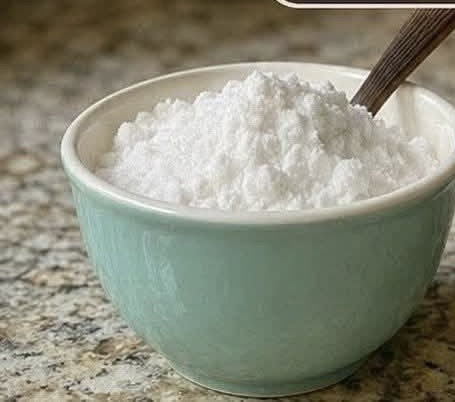
Many online beauty posts promote baking soda as a quick homemade solution for dark spots, wrinkles, and under-eye circles. However, baking soda is highly alkaline and can disrupt the skin’s natural barrier, causing dryness, irritation, redness, and potentially worsening pigmentation.
Instead of applying baking soda directly to the face, a gentle skincare routine using well-established cosmetic ingredients is a safer approach.
Why You Should Avoid Baking Soda on Your Face
Facial skin naturally has a mildly acidic surface environment that helps support the skin barrier. Baking soda is considerably more alkaline, so applying it directly to the skin can interfere with this protective barrier.
Irritation is particularly concerning when treating dark spots because inflammation can sometimes contribute to post-inflammatory hyperpigmentation, making discoloration appear darker.
The delicate skin around the eyes is especially sensitive. Abrasive or irritating homemade mixtures should not be applied close to the eyes.
What to Use Instead
For Dark Spots
Look for skincare products containing ingredients such as niacinamide, vitamin C, azelaic acid, or alpha arbutin.
Daily use of a broad-spectrum SPF 30 or higher sunscreen is also important because UV exposure can darken existing pigmentation and make discoloration more persistent.
For Fine Lines and Wrinkles
A gentle moisturizer combined with ingredients such as retinol, peptides, hyaluronic acid, or ceramides can help support smoother-looking, hydrated skin.
Retinoids can be irritating when first introduced, so start gradually and follow the product’s directions. Prescription retinoids should be used under appropriate medical guidance.
For Under-Eye Dark Circles
Dark circles can have different causes, including genetics, pigmentation, visible blood vessels, shadows from facial anatomy, allergies, and lack of sleep.
A gentle eye product containing ingredients such as caffeine, niacinamide, or peptides may help improve the appearance of some types of under-eye darkness, but results depend on the underlying cause.
Simple Morning Routine
Step 1: Gentle Cleanser
Wash your face with a mild, fragrance-free cleanser and lukewarm water. Avoid harsh scrubbing.
Step 2: Brightening Serum
Apply a suitable serum containing niacinamide or vitamin C if your skin tolerates it.
Step 3: Moisturizer
Use a moisturizer containing hydrating and barrier-supporting ingredients such as hyaluronic acid and ceramides.
Step 4: Sunscreen
Finish with a broad-spectrum SPF 30+ sunscreen every morning. Reapply as appropriate for sun exposure.
Simple Evening Routine
Step 1: Cleanse
Gently remove makeup, sunscreen, and daily buildup without scrubbing the skin.
Step 2: Treatment
Depending on your skin concern, use an appropriate product containing an ingredient such as retinol, azelaic acid, or niacinamide.
Do not introduce several strong active ingredients at the same time. Introducing products gradually makes it easier to identify irritation.
Step 3: Moisturize
Finish with a gentle moisturizer to help maintain the skin barrier.
Important Tips
Avoid homemade facial mixtures containing baking soda, lemon juice, toothpaste, or other highly irritating ingredients.
Do not scrub dark spots aggressively. Physical irritation can make discoloration more noticeable.
Patch-test new skincare products when appropriate, especially if you have sensitive skin.
Be patient. Dark spots and fine lines generally do not disappear overnight, and consistent skincare is more realistic than promises of dramatic results within a few days.
Common Mistakes to Avoid
Using baking soda as a facial scrub can cause unnecessary irritation.
Applying lemon juice directly to the skin is also not a recommended treatment for pigmentation because it can irritate the skin and increase sensitivity.
Using too many active ingredients at once can damage the skin barrier and cause redness, dryness, or burning.
Skipping sunscreen while trying to treat pigmentation can also make it harder to achieve and maintain improvements.
Frequently Asked Questions
Can baking soda remove dark spots?
Baking soda is not a proven or recommended treatment for facial hyperpigmentation. Its alkalinity can irritate the skin and potentially make pigmentation problems worse.
Can baking soda remove wrinkles?
No. There is no good evidence that applying baking soda directly to the face removes wrinkles. A consistent skincare routine with appropriate ingredients is a safer approach.
Can I put baking soda under my eyes?
It is best avoided. The under-eye area is delicate and particularly vulnerable to irritation.
What is better for dark spots?
Ingredients such as niacinamide, vitamin C, azelaic acid, and alpha arbutin may help improve the appearance of pigmentation. Sunscreen is an essential part of the routine.
How quickly will skincare work?
Results vary considerably depending on the cause and severity of the skin concern. Most skincare treatments require consistent use over time rather than producing dramatic changes in a few days.
Final Thoughts
Baking soda may be inexpensive and commonly found in the kitchen, but that does not make it an appropriate facial skincare ingredient. Its high alkalinity and potential to irritate the skin make it a poor choice for treating dark spots, wrinkles, or under-eye circles.
A gentle cleanser, appropriate treatment ingredients, moisturizer, and daily sunscreen provide a much safer foundation for a healthy-looking complexion.
If pigmentation is persistent, rapidly changing, painful, or difficult to identify, a dermatologist can help determine the underlying cause and recommend an appropriate treatment.
⚠️This recipe may not be suitable for everyone, so it is advisable to consult a doctor.