
Introduction
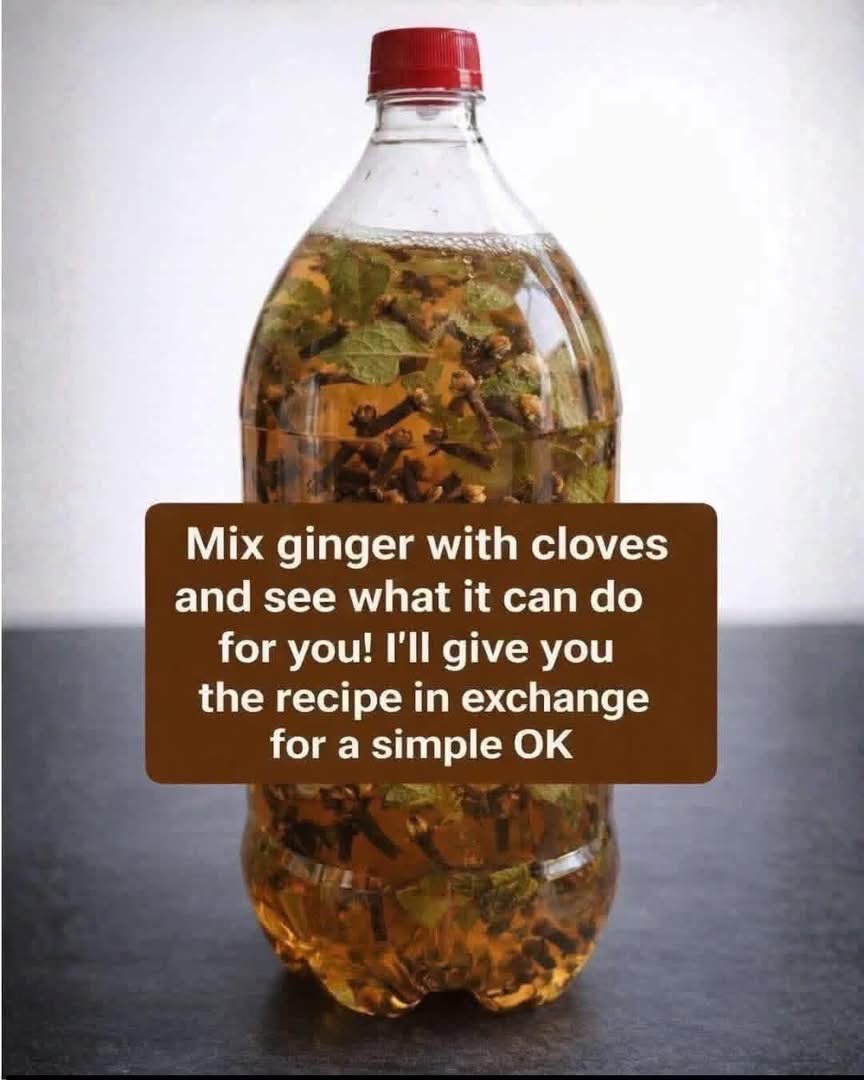
Ginger, cloves, and fresh mint come together in this aromatic herbal infusion, creating a warming drink with a refreshing flavor and a gentle spicy kick. Easy to prepare with everyday ingredients, this homemade ginger and clove tea can be enjoyed warm on chilly days or chilled as a refreshing drink.
Ginger is widely used in traditional cooking and herbal preparations, while cloves are known for their distinctive aroma and naturally occurring antioxidant compounds. Mint adds freshness and is traditionally enjoyed after meals.
This infusion can be a pleasant addition to a balanced lifestyle. Ginger may help with certain types of nausea, but this drink should not be considered a cure for digestive disorders, infections, arthritis, or joint pain. Scientific evidence for the specific combination of ginger, cloves, and mint is limited.
If you enjoy homemade herbal drinks, this simple recipe is an easy way to explore warming spices without relying on complicated preparation methods.
Recipe Overview
| Recipe Detail | Information |
| Recipe Name | Ginger, Clove & Mint Herbal Tea |
| Preparation Time | 5 minutes |
| Cooking Time | 10–15 minutes |
| Total Time | 15–20 minutes |
| Servings | 4 cups |
| Difficulty | Easy |
| Cooking Method | Simmering |
| Main Ingredients | Fresh ginger, cloves, mint, water |
| Flavor | Warm, spicy, and refreshing |
| Best Served | Warm or chilled |
Why You’ll Love This Recipe
This ginger, clove, and mint infusion is simple to make and requires only a few ingredients. You do not need special equipment, expensive supplements, or complicated preparation techniques to enjoy its aromatic flavor.
Fresh ginger provides a warm, slightly spicy taste, while cloves add depth and fragrance. Mint balances these stronger flavors with a cooling, refreshing finish.
The recipe is naturally caffeine-free when prepared without tea leaves, making it an alternative to traditional caffeinated drinks. You can also control the sweetness by adjusting the amount of honey or leaving it out entirely.
Another advantage is its versatility. Enjoy a warm cup after a meal, or refrigerate the infusion for a refreshing drink later in the day.
Ingredients
The following ingredients make approximately four servings.
| Ingredient | Quantity | Purpose |
| Fresh ginger | 1 medium piece, approximately 30–40 g | Provides a warm, spicy flavor |
| Whole cloves | 1 teaspoon | Adds a strong, aromatic taste |
| Fresh mint leaves | 1 small bunch, approximately 10–15 leaves | Provides a refreshing flavor |
| Water | 1 liter (4¼ cups) | Forms the base of the infusion |
| Honey | 1–2 tablespoons, optional | Adds sweetness |
| Fresh lemon | ½ lemon, optional | Adds a bright citrus flavor |
Important measurement note: The original recipe uses one tablespoon of whole cloves, which can produce a very strong infusion. This version starts with one teaspoon for a more balanced flavor. You can adjust the amount to your preference.
Step-by-Step Instructions
Step 1: Prepare the ingredients
Rinse the ginger and mint leaves thoroughly. Slice the ginger into thin pieces to help release its flavor. Measure the whole cloves and prepare the optional lemon.
Step 2: Bring the water to a boil
Pour one liter of water into a saucepan and bring it to a boil over medium-high heat.
Step 3: Simmer the ginger and cloves
Add the ginger and whole cloves to the boiling water. Reduce the heat and simmer gently for 10 minutes. Avoid prolonged, vigorous boiling, which can make the flavor excessively strong.
Step 4: Add the fresh mint
Turn off the heat and add the mint leaves. Cover the saucepan and let the mixture steep for another 5 minutes to develop its refreshing aroma.
Step 5: Strain the infusion
Carefully pour the liquid through a fine-mesh strainer into a clean heat-resistant jug or teapot. Discard the ginger pieces, cloves, and mint leaves.
Step 6: Add lemon or honey and serve
Allow the tea to cool slightly before adding honey. Add a squeeze of lemon if desired, then serve warm or refrigerate for a chilled version.
Best Tips
Use fresh, firm ginger for a more vibrant flavor. You can peel it before slicing, but peeling is optional if the root is thoroughly washed.
Start with a small amount of cloves because their flavor is intense. Too many cloves can make the drink bitter and overpower the mint.
Add the mint after turning off the heat rather than boiling it for the entire cooking time. This helps preserve its fresh aroma.
If you prefer a stronger ginger flavor, slice the ginger more thinly or simmer it for a few additional minutes. Avoid making the infusion excessively concentrated.
For a smoother, less sweet drink, skip the honey and add a little lemon juice instead.
Best Ingredient Options
Fresh ginger: Fresh ginger root offers a bright, spicy flavor. If fresh ginger is unavailable, a small amount of dried ginger can be used, although the taste will differ.
Whole cloves: Whole cloves are generally easier to strain out than ground cloves. Use a measured amount to prevent the infusion from becoming too strong.
Fresh mint: Spearmint is a good everyday option. Peppermint can also be used, although it may be less suitable for people whose acid reflux is triggered by mint.
Raw honey: Honey is optional and contributes added sugar. It should never be given to children younger than 12 months.
Fresh lemon: Lemon adds acidity and brightness. Add it after cooking for a fresher citrus taste.
Water: Filtered drinking water works well, but ordinary safe drinking water is also suitable.
Recipe Variations
For a lemon-ginger version, add extra lemon juice after straining. This creates a brighter, more citrus-forward drink.
For a milder infusion, reduce the cloves to half a teaspoon and simmer the ginger for just 5–8 minutes.
For a cinnamon variation, add one small cinnamon stick while simmering the ginger and cloves. This produces a warmer, sweeter-smelling aroma without needing additional sugar.
For a chilled summer drink, let the infusion cool, refrigerate it, and serve over ice with fresh mint leaves and lemon slices.
For a sugar-free version, leave out the honey completely. The ginger and mint already provide plenty of flavor.
What to Serve With
Enjoy a warm cup alongside whole-grain toast, oatmeal, or a light breakfast. Its spicy and refreshing flavor also pairs well with fresh fruit.
After lunch or dinner, a small cup can be a pleasant alternative to a sweetened beverage.
For an afternoon snack, serve it with unsalted nuts, dates, or homemade whole-grain biscuits. If you add dates or other sweet foods, remember that they also contribute natural sugars.
Make-Ahead Instructions
You can prepare this infusion in advance and refrigerate it for later.
Follow the recipe, strain the liquid, and let it cool promptly. Transfer it to a clean, covered container and place it in the refrigerator.
For the freshest flavor, prepare a batch that you can comfortably consume within the next day or two. Add fresh lemon or honey just before serving.
Storage
Store the strained infusion in a clean, airtight container in the refrigerator at 4°C (40°F) or below.
For best quality, consume it within 2–3 days. Discard it if you notice an unusual smell, unexpected cloudiness, mold, or other signs of spoilage.
Do not leave the drink at room temperature for extended periods. Refrigerate it promptly after preparation.
Reheating
To enjoy the infusion warm, pour one serving into a saucepan and heat gently until it reaches your preferred temperature.
You can also microwave a serving in a microwave-safe mug in short intervals, stirring carefully between intervals.
Avoid repeatedly heating and cooling the entire batch. Warm only the amount you intend to drink.
Freezing
Freezing is possible, although it may slightly change the aroma and flavor of the mint.
Pour the cooled, strained infusion into a freezer-safe container, leaving space for expansion. You can also freeze individual portions in suitable ice-cube trays.
For best flavor, use frozen portions within 1–2 months. Thaw them in the refrigerator or reheat gently from frozen.
Common Mistakes to Avoid
Using too many cloves can create an overpowering, bitter flavor. Measure them carefully rather than adding a large handful.
Boiling the mint for too long may reduce its fresh, delicate aroma. Add it after removing the saucepan from the heat.
Adding honey while the liquid is extremely hot is unnecessary. Let the infusion cool slightly first, and remember that honey still counts as added sugar.
Assuming this drink can treat arthritis, eliminate joint pain, cure an infection, or replace prescribed medication is another mistake. Traditional herbal drinks can be enjoyable, but their effects depend on the ingredients and the condition being considered.
Finally, avoid leaving the infusion uncovered at room temperature for several hours. Cool and refrigerate it promptly to maintain food safety.
Nutrition Estimate
The following estimates are for one serving, assuming the recipe makes four servings and no honey is added.
| Nutrient | Approximate Amount |
| Calories | 5–15 kcal |
| Protein | Less than 1 g |
| Carbohydrates | 1–3 g |
| Total Fat | Less than 1 g |
| Fiber | Less than 1 g |
| Added Sugar | 0 g without honey |
| Caffeine | 0 mg |
These values are approximate because the amount of ginger, cloves, and mint that transfers into the strained liquid varies. Adding one tablespoon of honey to the entire batch will increase the calories and sugar content per serving.
Frequently Asked Questions
1. What are the benefits of ginger, clove, and mint tea?
This herbal infusion provides a flavorful, caffeine-free drink. Ginger has been studied for certain types of nausea, while cloves contain antioxidant compounds. Mint adds a refreshing aroma. However, evidence supporting specific health benefits from this exact combination is limited.
2. Can ginger and cloves relieve joint pain?
There is not enough evidence to conclude that drinking this infusion reliably relieves joint pain or treats arthritis. Persistent or severe pain should be assessed by a healthcare professional.
3. Can I drink this tea every day?
Some adults may enjoy a mild infusion regularly, but suitability depends on individual health, the strength of the drink, and medications. Avoid excessive quantities of concentrated ginger or cloves, and consult a healthcare professional if you have concerns.
4. Is this drink good for digestion?
Ginger may help with some types of nausea, and mint is traditionally used after meals. However, this tea is not a proven treatment for digestive disorders. Peppermint and other mint varieties may worsen acid reflux in some people.
5. Can I drink it before bed?
Because the infusion contains no caffeine, some people enjoy it in the evening. However, it is not a proven sleep treatment, and individual tolerance to ginger, cloves, and mint varies.
6. Does adding honey make the drink healthier?
Honey improves the flavor but adds sugar and calories. It is entirely optional, and the drink can be enjoyed without any sweetener.
7. Can this infusion boost immunity?
A balanced diet supports normal immune function, but there is no strong evidence that this specific drink prevents infections or provides a dramatic immunity boost. It should not replace vaccination, appropriate medical care, or a nutritious diet.
8. Who should be careful when drinking this infusion?
People taking blood-thinning medicines, those with bleeding disorders, people preparing for surgery, and individuals with certain medical conditions should seek professional advice before regularly consuming concentrated herbal preparations. Ginger and cloves may affect bleeding risk, particularly in concentrated amounts. Anyone who develops an allergic reaction or significant discomfort should stop drinking it.
9. Can I use ground cloves instead of whole cloves?
Yes, but use a very small amount because ground cloves can produce a stronger flavor and are more difficult to strain. Whole cloves are preferable for this recipe.
10. Can I drink this tea instead of taking medicine?
No. This infusion should not replace prescribed medication or professional medical treatment. If you have persistent symptoms or suspect an underlying health condition, consult a healthcare professional.
Final Thoughts
Ginger, clove, and mint tea is a simple homemade herbal infusion with a warm, spicy flavor and a refreshing finish. With just a few ingredients and approximately 15–20 minutes, you can prepare a batch to enjoy warm or chilled.
Keep the recipe mild, adjust the flavors to your preference, and enjoy it as part of a varied, balanced diet rather than as a miracle remedy.
⚠️This recipe may not be suitable for everyone, so it is advisable to consult a doctor.