
Introduction
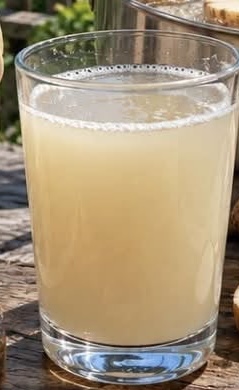
Ginger Root and Lemon Tea is a simple, warming homemade drink prepared with fresh ginger, water, and freshly squeezed lemon juice. Its spicy aroma and refreshing citrus flavor make it a comforting choice on chilly days or whenever you want a soothing hot beverage.
This easy ginger infusion takes just 5 minutes to prepare, followed by 15 minutes of gentle simmering. You can enjoy it plain or add a little honey for sweetness, along with optional turmeric for a deeper, earthy flavor.
Ginger and turmeric contain naturally occurring compounds that have been studied for their potential health effects. However, this drink should be considered a beverage rather than a medical treatment. Claims that a root-based drink can regenerate knee cartilage in 24 hours or instantly eliminate joint pain are misleading and unsupported by scientific evidence.
Recipe Overview
| Recipe Detail | Information |
| Recipe Name | Ginger Root and Lemon Tea |
| Preparation Time | 5 minutes |
| Cooking Time | 15 minutes |
| Total Time | 20 minutes |
| Servings | 2–3 cups |
| Difficulty | Easy |
| Main Ingredients | Fresh ginger, water, lemon |
| Optional Ingredients | Honey, turmeric, black pepper |
| Serving Temperature | Warm or hot |
| Beverage Type | Homemade herbal infusion |
Why You’ll Love This Recipe
This homemade ginger tea uses a handful of simple ingredients and requires very little effort. After slicing the ginger, you simply simmer it in water, strain the infusion, and add fresh lemon juice.
The combination of ginger and lemon creates a warming drink with a bright, citrusy finish. You can adjust the strength by changing the amount of ginger or the simmering time.
It is also easy to personalize. Add honey for a naturally sweet taste, or include a small pinch of turmeric for an earthy flavor.
Unlike many packaged beverages, this recipe allows you to control the ingredients and the amount of added sugar.
Ingredients
| Ingredient | Quantity | Purpose |
| Fresh ginger root | 1 large piece, about 5–7 cm | Provides the main spicy, aromatic flavor |
| Water | 1 liter (about 4¼ cups) | Base for the infusion |
| Fresh lemon | ½ lemon, juiced | Adds a bright citrus flavor |
| Honey | 1–2 teaspoons, optional | Softens the sharpness of the ginger |
| Ground turmeric | A pinch, optional | Adds an earthy note |
| Black pepper | A tiny pinch, optional | Adds a little extra warmth |
Ingredient note: Fresh ginger is the main ingredient in this recipe. Horseradish and celeriac are different roots with different flavors, so they should not be treated as interchangeable with ginger. This version uses ginger and lemon as the primary ingredients.
Step-by-Step Instructions
Step 1: Prepare the Ginger
Rinse the fresh ginger thoroughly under cold running water to remove any dirt.
Peel it if desired, using a small spoon or vegetable peeler. The skin can also be left on if the ginger is clean and in good condition.
Slice the ginger into thin rounds. Thin slices expose more surface area to the water and help release its flavor during simmering.
Step 2: Bring the Water to a Boil
Pour 1 liter of water into a medium-sized saucepan.
Add the sliced ginger and place the saucepan over medium heat. Bring the water to a boil.
Once it begins boiling, reduce the heat to low.
Step 3: Simmer the Ginger
Cover the saucepan partially or fully and allow the mixture to simmer gently for 15 minutes.
The water will gradually take on a light golden color and develop a fragrant, spicy aroma.
For a stronger ginger flavor, you can simmer it for a few additional minutes, keeping an eye on the liquid level.
Step 4: Strain the Infusion
Remove the saucepan from the heat and let the liquid cool for a few minutes.
Pour the infusion through a fine-mesh strainer into a heatproof jug or directly into individual cups. Discard the ginger slices.
Step 5: Add Lemon and Optional Ingredients
Add the freshly squeezed juice of half a lemon and stir well.
If you prefer a sweeter drink, allow the infusion to cool slightly before stirring in the honey. This makes it easier to adjust the sweetness to your taste.
You may also add a small pinch of turmeric or black pepper if desired. These ingredients are optional and can change the flavor considerably.
Step 6: Serve Warm
Pour the ginger and lemon infusion into cups and serve warm or hot, at a comfortable drinking temperature.
For an attractive presentation, add a thin lemon slice to each cup. Enjoy the drink slowly as part of your usual daily routine.
Best Tips for the Perfect Ginger Tea
Choose fresh, firm ginger with a strong aroma. Avoid pieces that are moldy, excessively soft, or shriveled.
Slice the ginger thinly to help its flavor infuse into the water. If you prefer a milder drink, use less ginger or reduce the simmering time.
Keep the heat low after the water boils. A gentle simmer is sufficient to extract the ginger’s flavor without unnecessarily reducing the liquid.
Add the lemon juice after removing the saucepan from the heat. This preserves its fresh citrus flavor.
If you use honey, start with a small amount and add more only if needed. The drink can also be enjoyed without sweetener.
Let the infusion cool to a comfortable temperature before drinking it to avoid burns.
Best Ingredient Options
Fresh ginger root: Fresh ginger provides the characteristic warm, spicy flavor. It is the preferred option for this recipe.
Fresh lemon: Freshly squeezed lemon juice gives the infusion a bright, tangy finish. Add more or less depending on your taste.
Honey: Honey can soften the sharpness of ginger and lemon. It is optional and adds sugar to the drink.
Ground turmeric: A small pinch introduces an earthy flavor. Turmeric has been studied for its potential anti-inflammatory effects, but adding it to tea does not make the drink a proven treatment for joint disease.
Black pepper: A tiny pinch can add warmth. Larger amounts may make the drink too sharp or irritating for sensitive stomachs.
Water: Filtered or otherwise safe drinking water works well. Use the full liter for a lighter infusion or slightly less water for a more concentrated flavor.
Recipe Variations
For a ginger and honey tea, stir in one teaspoon of honey after the infusion has cooled slightly.
For a ginger, lemon, and turmeric infusion, add a small pinch of ground turmeric while simmering the ginger. Strain before serving.
For a milder ginger tea, use a smaller piece of ginger and simmer for approximately 8–10 minutes before tasting.
For a stronger ginger infusion, slice the ginger thinly and extend the simmering time by a few minutes, adjusting the flavor as needed.
For a mint and ginger tea, add a few fresh mint leaves after removing the saucepan from the heat. Let them steep for 2–3 minutes before straining.
What to Serve With Ginger and Lemon Tea
This warm infusion pairs nicely with a light breakfast, whole-grain toast, oatmeal, or plain yogurt. Its bright citrus flavor also complements fruit and simple homemade snacks.
You can enjoy a cup after a meal or during a relaxing afternoon break. If you have acid reflux or a sensitive stomach, however, ginger and lemon may aggravate symptoms, so adjust the ingredients or avoid the drink if it causes discomfort.
Make-Ahead Instructions
You can prepare the infusion in advance and store it in the refrigerator.
Simmer the ginger, strain the liquid, and let it cool before transferring it to a clean, covered container. For the freshest citrus flavor, add the lemon juice shortly before serving.
Reheat only the portion you plan to drink, and avoid repeatedly warming and cooling the entire batch.
Storage
Allow leftover tea to cool, then transfer it to a clean, airtight container and refrigerate promptly.
For the best quality, consume it within 2–3 days. Add fresh lemon juice when serving if you have not already included it.
Discard the infusion if it develops an unusual smell, appearance, or taste. Do not leave it at room temperature for extended periods.
Reheating
Pour the desired amount into a small saucepan and warm it gently over low heat until it reaches your preferred temperature.
You can also use a microwave-safe cup and heat it in short intervals, stirring carefully between intervals.
Avoid drinking it while it is too hot, as very hot liquids can burn the mouth and throat.
Freezing
Freezing is optional but useful if you want to prepare a larger batch.
Allow the strained infusion to cool completely, then pour it into freezer-safe containers or ice cube trays, leaving a little space for expansion.
Freeze and use within approximately 2–3 months for good quality. Thaw in the refrigerator or add a frozen portion to a saucepan and warm gently. Add fresh lemon juice after reheating if desired.
Common Mistakes to Avoid
Using too much ginger can make the tea overly spicy and unpleasant. Start with the suggested quantity and adjust it to your preference.
Boiling the mixture vigorously for the entire cooking time can cause unnecessary evaporation. Reduce the heat after the initial boil and maintain a gentle simmer.
Adding honey while the infusion is extremely hot can make it harder to taste and adjust the sweetness accurately. Let the drink cool slightly before sweetening.
Adding too much lemon can make the tea excessively acidic, especially for people who experience reflux or stomach irritation.
Assuming that a homemade infusion can cure joint pain or rebuild cartilage can lead to unrealistic expectations. Enjoy the beverage for its flavor, but seek appropriate medical care for persistent or severe symptoms.
Nutrition Estimate
The following values are approximate for one cup when the infusion is divided into three servings and consumed without honey. Actual values vary according to the amount of ginger extracted and the serving size.
| Nutrient | Approximate Amount per Cup |
| Calories | 5–15 kcal |
| Carbohydrates | 1–3 g |
| Sugars | Less than 1 g |
| Protein | Less than 1 g |
| Fat | Less than 1 g |
| Fiber | Very little after straining |
| Sodium | 0–5 mg |
Adding one teaspoon of honey to a serving will increase its calorie and sugar content. The nutrition values are estimates, not laboratory measurements.
Frequently Asked Questions
1. Can I drink ginger and lemon tea every day?
Many people can enjoy it in moderation if they tolerate the ingredients well. However, daily consumption is not necessary, and the drink should not replace water, a balanced diet, or prescribed treatment.
2. Can ginger tea regenerate knee cartilage in 24 hours?
No. There is no credible scientific evidence that ginger tea or another root-based drink can regenerate knee cartilage within 24 hours. Cartilage damage and osteoarthritis require appropriate assessment and management.
3. Does ginger and lemon tea relieve joint pain?
Some research has examined ginger and certain compounds in turmeric for potential effects on inflammation and pain. However, evidence varies, and drinking this infusion should not be considered a proven treatment for arthritis or joint pain.
If pain persists, worsens, or limits movement, consult a healthcare professional.
4. Is fresh ginger better than powdered ginger?
Fresh ginger is preferred for this recipe because it provides a fresh, aromatic flavor. Powdered ginger can be used in other preparations, but its flavor is more concentrated and different from that of fresh root.
5. Can I drink this tea on an empty stomach?
Some people tolerate it well, while others experience heartburn, nausea, or stomach discomfort. If you notice irritation, drink it with food, reduce the ginger and lemon, or stop consuming it.
6. Can I add turmeric and black pepper?
Yes, a small pinch of each can be added for flavor. However, concentrated turmeric or black pepper supplements may interact with medications, and culinary quantities should not be assumed to provide a medical benefit.
7. Who should be cautious about drinking ginger tea?
People taking certain medications, including blood-thinning medicines, and those with medical conditions or significant digestive sensitivity should ask a healthcare professional whether regular consumption is appropriate. Ginger may cause heartburn or stomach discomfort in some people.
8. Does this drink replace medication for arthritis?
No. This infusion cannot replace prescribed medication, physiotherapy, or other treatments recommended by a healthcare professional. Do not stop or change your treatment based on claims made in viral posts.
Final Thoughts
Ginger Root and Lemon Tea is an easy homemade infusion with a warming aroma, a pleasant spicy flavor, and a refreshing citrus finish. With just a few ingredients and about 20 minutes, you can prepare a comforting drink to enjoy warm at home.
Although ginger and turmeric contain compounds being studied for their possible health effects, this beverage is not a miracle remedy. It cannot regenerate knee cartilage overnight, cure arthritis, or replace professional medical care.
⚠️ This drink may not be suitable for everyone. If you have a medical condition, take medication, or experience persistent joint pain, consult a healthcare professional for personalized advice.