
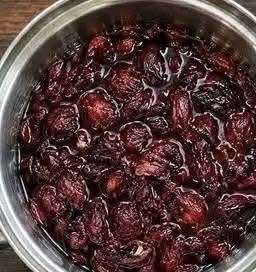
This fragrant hibiscus herbal tea combines dried hibiscus flowers with cinnamon sticks, whole cloves, and bay leaves to create a vibrant, ruby-red infusion with a pleasantly tart flavor and warm, spicy notes.
Often enjoyed hot or chilled, this homemade herbal drink is easy to prepare and can be served throughout the day. Honey, lemon, or orange slices can be added to customize the flavor.
Important: This tea is sometimes promoted online as a remedy for hormonal imbalance or weight loss. However, there is insufficient scientific evidence that this specific combination balances hormones, burns belly fat, or produces significant weight loss. It is best enjoyed as a beverage rather than a medical treatment.
Recipe Overview
| Details | Information |
| Prep Time | 5 minutes |
| Simmering Time | 15–20 minutes |
| Steeping Time | 10–15 minutes |
| Total Time | 30–40 minutes |
| Yield | Approximately 6–8 cups |
| Difficulty | Easy |
| Serving Temperature | Hot or iced |
Why You’ll Love This Hibiscus Tea
Hibiscus tea has a naturally tangy, fruity flavor and a beautiful deep-red color. Cinnamon and cloves add warmth and aromatic depth, while bay leaves contribute a subtle herbal note.
This infusion can be enjoyed without added sugar, making it a flavorful alternative to sweetened drinks. Preparing it at home also allows you to control the ingredients and sweetness.
Hibiscus contains naturally occurring plant compounds, including anthocyanins and other polyphenols. Research suggests that hibiscus preparations may modestly affect blood pressure in some people, but the results vary and the tea should not replace prescribed medication.
Ingredients
| Ingredient | Quantity | Purpose |
| Dried hibiscus flowers | 2 cups | Provides the characteristic tart flavor and red color |
| Cinnamon sticks | 4–6 sticks | Adds a warm, sweet-spicy aroma |
| Dried bay leaves | 1–2 leaves | Adds a subtle herbal flavor |
| Whole cloves | 1 teaspoon | Provides a rich, aromatic spice note |
| Water | 6–8 cups (1.5–2 liters) | Forms the infusion |
| Honey (optional) | To taste | Adds sweetness |
| Lemon or orange slices (optional) | A few slices | Adds a fresh citrus flavor |
Ingredient note: Two cups of dried hibiscus flowers can produce a strong infusion. If you prefer a milder taste, start with ½–1 cup and adjust according to your preference.
Step-by-Step Instructions
Step 1: Prepare the Ingredients
Measure the dried hibiscus flowers, cinnamon sticks, cloves, and bay leaves.
Quickly rinse the hibiscus flowers under clean running water if needed to remove visible dust or debris. Avoid soaking them for too long.
Step 2: Bring the Water to a Boil
Pour 6–8 cups of water into a large stainless-steel or heat-safe saucepan.
Bring the water to a boil over medium-high heat.
Step 3: Add the Herbs and Spices
Add the hibiscus flowers, cinnamon sticks, whole cloves, and bay leaves to the boiling water.
Stir gently to distribute the ingredients evenly.
Step 4: Simmer the Infusion
Reduce the heat and let the mixture simmer gently for 15–20 minutes.
The water will gradually develop a deep-red color, while the cinnamon and cloves release their distinctive aromas.
For a milder drink, simmer for less time and use fewer spices.
Step 5: Allow the Tea to Steep
Turn off the heat and cover the saucepan.
Let the mixture steep for another 10–15 minutes to develop its flavor.
Avoid prolonged simmering if you prefer a less intense, less tart infusion.
Step 6: Strain the Tea
Carefully strain the infusion through a fine-mesh sieve into a heat-safe jug or clean glass container.
Discard the used flowers and spices. Do not drink whole cloves or bay leaves.
Step 7: Sweeten and Serve
Allow the tea to cool slightly before serving.
Add honey to taste, if desired, or squeeze in a little lemon juice. Orange slices can also provide a pleasant citrus note.
Serve warm, or refrigerate until chilled for a refreshing iced hibiscus tea.
Best Tips for the Best Flavor
Adjust the hibiscus quantity. Hibiscus can be quite tart, so begin with a smaller amount if you prefer a smoother flavor.
Use whole spices. Cinnamon sticks and whole cloves make the infusion easy to strain and provide a balanced aroma.
Avoid excessive sweetening. Taste the tea before adding honey, as hibiscus already has a bright, fruity flavor.
Use clean equipment. Wash the saucepan, sieve, and storage container thoroughly before preparing the infusion.
Best Ingredient Options
You can use hibiscus flowers sold as karkadé, bissap, or dried hibiscus, provided they are food-grade and intended for drinking.
Ceylon cinnamon is a useful choice for people who consume cinnamon regularly because it generally contains less coumarin than cassia cinnamon. Large or frequent quantities of cassia cinnamon may be harmful to the liver.
Fresh lemon, orange slices, or a small amount of honey are optional. The infusion can also be enjoyed without sweeteners.
Recipe Variations
Iced hibiscus tea: Refrigerate the strained infusion and serve over ice with a slice of lemon.
Citrus hibiscus tea: Add orange or lemon slices after straining for a fresh, citrusy flavor.
Milder cinnamon infusion: Use one or two cinnamon sticks instead of four to six.
Unsweetened herbal tea: Skip the honey for a tart, refreshing drink without added sugar.
What to Serve With Hibiscus Tea
This infusion pairs well with fresh fruit, a light breakfast, whole-grain toast, or small savory snacks.
When serving it chilled, lemon slices and a few pieces of fresh orange make a simple garnish.
Make-Ahead Instructions
You can prepare the infusion in advance and chill it for later. Allow it to cool safely before transferring it to the refrigerator.
For best flavor, strain out the flowers and spices after steeping rather than leaving them in the container for an extended period.
Storage
Transfer the strained tea to a clean, covered container and refrigerate promptly.
Use within 3–4 days, and discard it if its smell, appearance, or taste changes unexpectedly. Do not leave the infusion at room temperature for extended periods.
Reheating
Pour the desired amount into a heat-safe cup and warm it gently on the stovetop or in a microwave-safe container.
Avoid repeatedly heating the entire batch. Reheat only the portion you plan to drink.
Freezing
You can freeze the strained infusion in ice-cube trays for convenient use in chilled drinks. Once frozen, transfer the cubes to a freezer-safe container.
For the best flavor, use the frozen tea within approximately 2–3 months.
Common Mistakes to Avoid
Using too much hibiscus: An overly concentrated infusion may taste very sour and can be difficult for some people to tolerate.
Adding too many spices: Excessive cinnamon and cloves can overpower the delicate fruity notes.
Leaving the spices in too long: Prolonged steeping can create a stronger, more bitter flavor.
Using it as a weight-loss treatment: This infusion is not a proven fat-burning remedy and should not replace a balanced diet, physical activity, or medical care.
Ignoring possible interactions: Herbal beverages can affect some medical conditions and medications, even when made from common kitchen ingredients.
Nutrition Estimate
The following estimates apply to one cup of unsweetened, strained hibiscus tea. Actual values vary depending on the strength of the infusion and how much material is extracted.
| Nutrient | Approximate Amount |
| Calories | 0–10 kcal |
| Protein | Less than 1 g |
| Carbohydrates | 0–2 g |
| Fat | 0 g |
| Added sugar | 0 g, if unsweetened |
Adding honey increases the calorie and sugar content.
Frequently Asked Questions
1. Does hibiscus tea balance hormones?
There is no reliable evidence that this particular mixture balances hormones or treats hormonal disorders. Persistent symptoms such as irregular periods, unexplained weight changes, or other hormonal concerns should be evaluated by a healthcare professional.
2. Can this tea help with weight loss?
Unsweetened hibiscus tea is a low-calorie beverage that can replace sugary drinks. However, there is insufficient evidence that this specific recipe causes substantial weight loss or directly burns belly fat.
3. Can I drink this tea every day?
Daily use may not be suitable for everyone, particularly because this recipe contains a relatively large amount of hibiscus and several spices. Start with a modest serving and ask a healthcare professional about regular use if you have medical conditions or take medication.
4. Can hibiscus tea lower blood pressure?
Some research suggests hibiscus preparations may modestly reduce blood pressure in certain people. The effect is not guaranteed, and the tea may be unsuitable for people with low blood pressure or those taking blood-pressure medication without medical guidance.
5. Is this infusion safe during pregnancy?
The safety of concentrated hibiscus and multi-herb infusions during pregnancy and breastfeeding is not well established. Avoid medicinal or concentrated use unless your healthcare professional confirms that it is appropriate.
6. Can I drink it cold?
Yes. Strain the infusion, refrigerate it promptly, and serve it chilled over ice. Keep the drink covered and refrigerated between servings.
7. Can I add lemon or honey?
Yes. Both are optional. Lemon adds brightness, while honey softens the tart flavor. Add honey after the tea has cooled slightly.
Final Thoughts
Hibiscus tea with cinnamon, cloves, and bay leaves is a flavorful homemade herbal infusion that can be enjoyed warm or cold. Its rich color, tart hibiscus flavor, and aromatic spices make it a pleasant alternative to sugary beverages.
For the safest approach, prepare a moderate-strength infusion, avoid excessive amounts of spices, and treat it as a beverage rather than a cure for hormonal problems or obesity.
Health disclaimer: Hibiscus may interact with certain medications and may affect blood pressure or blood sugar. Consult a qualified healthcare professional before regular use if you take medication, have a chronic medical condition, or are pregnant or breastfeeding. Stop drinking it if you experience an adverse reaction.
⚠️ This recipe may not be suitable for everyone, so it is advisable to consult a doctor.