
Introduction
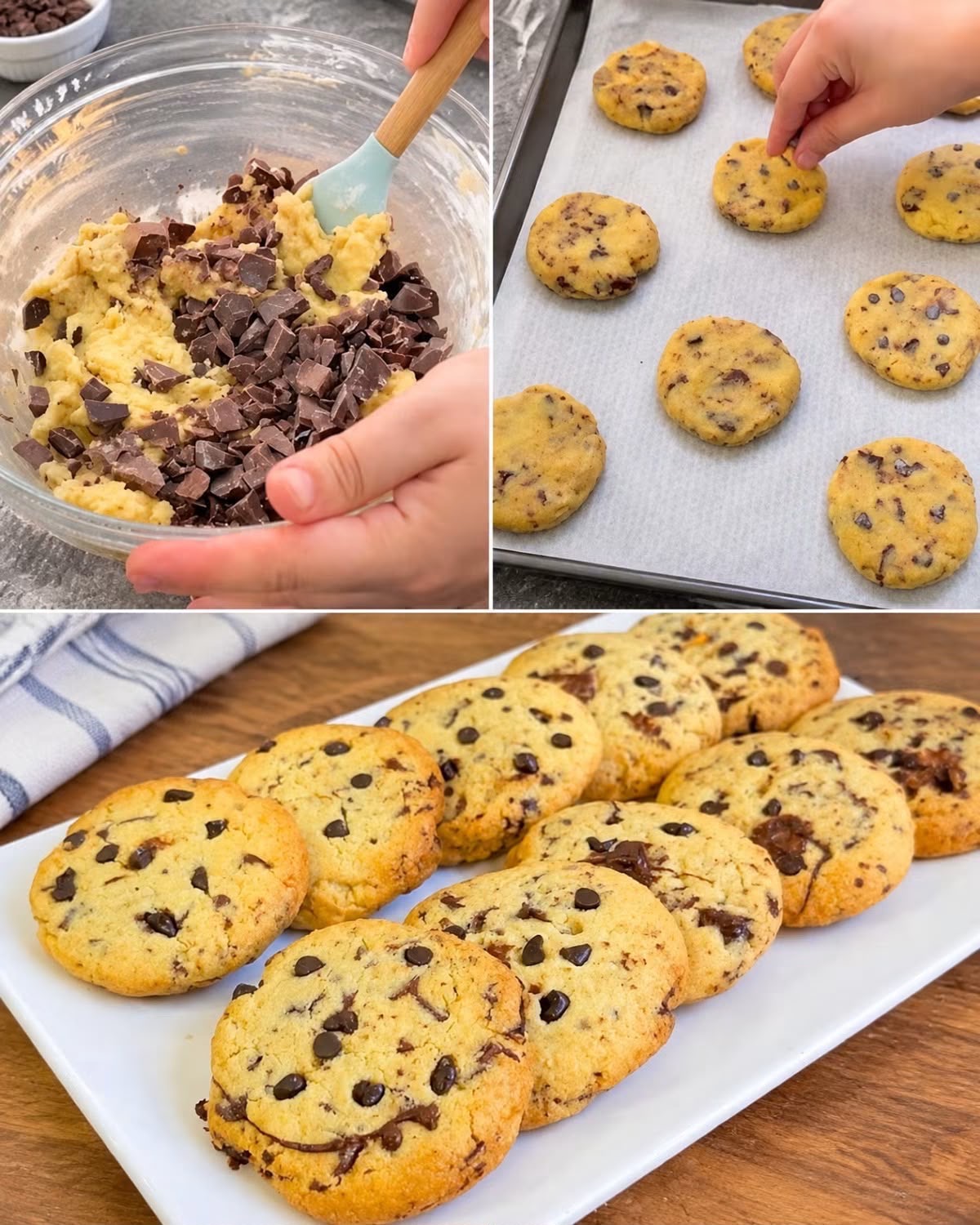
Homemade Chocolate Chunk Cookies are the perfect treat for anyone who loves soft centers, slightly crispy edges, and rich, melted chocolate in every bite. Made with simple pantry ingredients, these classic cookies are easy to prepare and taste even better when served warm from the oven.
This easy chocolate chip cookie recipe combines creamy butter, brown sugar, vanilla extract, and generous pieces of chocolate to create bakery-style cookies with an irresistible texture.
Whether you’re preparing an afternoon snack, a family dessert, or homemade treats for a special occasion, these chocolate chunk cookies are a delicious choice. They also make a wonderful addition to a dessert table or a homemade baking gift.
Recipe Overview
| Recipe Detail | Information |
| Recipe Name | Homemade Chocolate Chunk Cookies |
| Preparation Time | 15 minutes |
| Chilling Time | Optional, 30 minutes |
| Cooking Time | 10–12 minutes |
| Total Time | 25–55 minutes |
| Servings | 12–16 cookies |
| Cuisine | American |
| Course | Dessert, Snack |
| Cooking Method | Baking |
| Oven Temperature | 180°C / 350°F |
| Difficulty | Easy |
| Main Ingredients | Butter, flour, brown sugar, chocolate |
| Texture | Soft and chewy with lightly crisp edges |
Why You’ll Love This Recipe
These homemade chocolate chunk cookies deliver the perfect combination of soft, chewy centers and lightly golden edges. Every cookie is filled with chocolate chips and chopped chocolate for a rich flavor in every bite.
The recipe uses everyday baking ingredients, making it an affordable and convenient dessert for families. You don’t need special equipment or professional baking skills to achieve delicious results.
Brown sugar adds moisture and a subtle caramel flavor, while vanilla extract enhances the sweetness of the chocolate. Together, these ingredients create cookies that taste like they came from your favorite bakery.
You can also customize the recipe with dark chocolate, milk chocolate, or a combination of both. This flexibility makes it easy to prepare a batch that suits your personal taste.
Ingredients
The following ingredients make approximately 12–16 medium-sized chocolate chunk cookies, depending on the size of each portion.
Cookie Dough Ingredients
| Ingredient | Quantity | Purpose |
| Unsalted butter, softened | 115 g | Creates a rich flavor and tender texture |
| Brown sugar | 100 g | Adds moisture and a chewy texture |
| White granulated sugar | 50 g | Helps create lightly crisp edges |
| Large egg, room temperature | 1 | Binds the ingredients together |
| Vanilla extract | 1 teaspoon | Enhances the flavor |
| All-purpose flour | 200 g | Provides structure |
| Baking soda | ½ teaspoon | Helps the cookies spread and brown |
| Salt | 1 pinch | Balances the sweetness |
| Chocolate chips and chopped chocolate | 150–200 g | Adds rich chocolate flavor |
Optional Ingredients
| Ingredient | Quantity | Purpose |
| Flaky sea salt | A small pinch | Enhances the chocolate flavor |
| Chopped walnuts | 30–50 g | Adds crunch |
| Extra chocolate chunks | 20–30 g | Creates an attractive bakery-style finish |
Step-by-Step Instructions
Step 1: Prepare the Oven and Baking Tray
Preheat your oven to 180°C (350°F). Line a large baking tray with parchment paper to prevent the cookies from sticking.
Make sure your baking tray is ready before shaping the dough. This helps you transfer the cookies directly into the oven once they are formed.
Step 2: Cream the Butter and Sugars
Place the softened butter, brown sugar, and white sugar in a large mixing bowl.
Using a hand mixer or a sturdy whisk, mix for approximately 2–3 minutes until the mixture looks creamy and well combined.
Avoid using melted butter unless you are intentionally adapting the recipe, because it can cause the cookies to spread more than expected.
Step 3: Add the Egg and Vanilla
Add the egg and vanilla extract to the butter mixture.
Whisk until the ingredients are fully combined and the mixture looks smooth. Scrape down the sides of the bowl if necessary to ensure everything is evenly incorporated.
Step 4: Combine the Dry Ingredients
In a separate bowl, combine the flour, baking soda, and salt.
Gradually add the dry ingredients to the butter mixture. Use a spatula to mix gently until a soft cookie dough forms.
Stop mixing as soon as no large streaks of flour remain. Overmixing can develop excess gluten and make the cookies less tender.
Step 5: Add the Chocolate
Fold the chocolate chips and chopped chocolate into the dough using a spatula.
Distribute the chocolate evenly so that every cookie contains plenty of chocolate pieces.
For an extra attractive appearance, reserve a few chocolate chunks and press them gently onto the tops of the dough balls before baking.
Step 6: Chill the Dough if Desired
For thicker cookies with a more developed flavor, cover the dough and refrigerate it for 30 minutes.
This step is optional, but chilling can help reduce excessive spreading, especially if your kitchen is warm or the butter has become very soft.
If the dough is already cool and holds its shape well, you can proceed directly to baking.
Step 7: Shape the Cookies
Scoop the dough into approximately 12–16 equal portions, depending on your preferred cookie size.
Roll each portion into a ball and place it on the prepared baking tray. Leave about 5 cm (2 inches) between each cookie to allow room for spreading.
Gently flatten the dough balls slightly if needed, but avoid pressing them too thin.
Step 8: Bake the Cookies
Place the tray in the preheated oven and bake for 10–12 minutes.
The edges should look lightly golden, while the centers may still appear slightly soft. This is the key to achieving chewy chocolate chip cookies rather than dry, crunchy ones.
Larger cookies may need an additional 1–3 minutes, depending on their thickness and your oven.
Step 9: Cool and Serve
Remove the tray from the oven and let the cookies rest on it for approximately 5 minutes.
The cookies will continue to set as they cool. Carefully transfer them to a wire rack to finish cooling.
Serve them slightly warm for gooey chocolate centers, or allow them to cool completely for a firmer texture.
Best Tips for Perfect Chocolate Chunk Cookies
Use butter that is softened but not melted. The correct consistency makes it easier to cream the butter and sugar and helps the dough maintain a suitable texture.
Measure the flour carefully. Too much flour can produce dry, dense cookies, so use a kitchen scale whenever possible.
Choose a mixture of chocolate chips and chopped chocolate for a bakery-style appearance. Chocolate chunks create larger melted pockets, while smaller chips distribute chocolate throughout the dough.
Avoid overbaking the cookies. Removing them when the edges are golden and the centers remain slightly soft helps preserve their chewy texture.
For consistent results, make each dough portion approximately the same size. This ensures that the cookies bake evenly and finish cooking at roughly the same time.
If you prefer thicker cookies, refrigerate the dough before baking. Chilling also makes the dough easier to handle and can improve its flavor.
Best Ingredient Options
Butter: Unsalted butter is ideal because it allows you to control the amount of salt in the recipe. If you only have salted butter, use it and omit the additional pinch of salt.
Brown Sugar: Light brown sugar gives the cookies a mild caramel flavor, while dark brown sugar creates a deeper flavor and a slightly moister texture.
Flour: Regular all-purpose flour is the best choice for this recipe. Avoid substituting self-rising flour without adjusting the leavening ingredients.
Chocolate: Dark chocolate provides a richer, less sweet flavor, while milk chocolate creates a sweeter and creamier result. Combining both gives the cookies a balanced chocolate flavor.
Vanilla Extract: Pure vanilla extract adds depth to the dough, but vanilla essence can also be used if that is what you have available.
Baking Soda: Baking soda helps the cookies spread and develop golden edges. If you replace it with baking powder, the texture and spreading behavior may change, so the results will not be identical.
Recipe Variations
For double chocolate cookies, replace approximately 20 g of the flour with unsweetened cocoa powder. The result will be a darker cookie with a richer chocolate flavor.
For chocolate walnut cookies, fold 30–50 g of chopped walnuts into the dough along with the chocolate pieces. The nuts add a pleasant crunch that contrasts with the soft centers.
For a salted chocolate version, sprinkle a small amount of flaky sea salt over each dough ball before baking. The salt enhances the chocolate flavor without making the cookies overly sweet.
For a milk chocolate version, use milk chocolate chunks instead of dark chocolate. This is a great option for children and anyone who prefers sweeter desserts.
For a white chocolate variation, replace part of the chocolate with white chocolate chunks. You can also add a small amount of dried cranberries for a sweet and slightly tangy flavor.
For smaller cookies, divide the dough into 20–24 portions and begin checking them after approximately 8 minutes. Smaller cookies bake more quickly, so watch the edges carefully.
What to Serve With Chocolate Chunk Cookies
Serve these cookies with a cold glass of milk for a classic homemade dessert combination. The creamy drink balances the richness of the chocolate and makes the cookies especially satisfying.
A cup of coffee or espresso is another excellent option. The slightly bitter flavor of coffee complements the sweetness of the brown sugar and chocolate.
For a special dessert, serve warm cookies with a scoop of vanilla ice cream. The contrast between the warm cookie and cold ice cream creates a simple but impressive treat.
You can also add the cookies to a dessert platter with fresh strawberries, banana slices, or other small baked treats. This works well for family gatherings, celebrations, and casual entertaining.
Make-Ahead Instructions
You can prepare the cookie dough up to 24–48 hours in advance and store it covered in the refrigerator.
For convenient baking, shape the dough into individual portions before refrigerating. This makes it easier to bake only the number of cookies you need.
If the chilled dough becomes very firm, leave it at room temperature for approximately 5–10 minutes before shaping or baking.
For freshly baked cookies whenever you want them, freeze the prepared dough portions and bake them directly from frozen, adding a few extra minutes to the baking time.
Storage
Once completely cooled, store the cookies in an airtight container at room temperature for approximately 3–5 days.
Keep them away from direct sunlight, heat, and excessive humidity to help preserve their texture.
For softer cookies, you can place a small piece of plain bread inside the container. The cookies may absorb some moisture from the bread, so replace it if it becomes dry or stale.
If you live in a particularly hot environment, choose a cool, dry storage location and avoid leaving the cookies in a warm kitchen for extended periods.
Reheating
To enjoy soft cookies with melted chocolate, preheat your oven to approximately 150°C (300°F).
Place the cookies on a baking tray and warm them for 3–5 minutes. Allow them to rest briefly before serving, as the chocolate can become very hot.
For a quicker option, microwave one cookie for approximately 8–12 seconds. Heating time will depend on the size of the cookie and the power of your microwave.
Avoid overheating, as this can dry out the cookie and make the chocolate excessively hot.
Freezing
These homemade chocolate chunk cookies freeze well, making them convenient for meal planning, entertaining, and preparing desserts ahead of time.
To freeze baked cookies, allow them to cool completely. Place them in a freezer-safe airtight container, separating layers with parchment paper.
Freeze for up to 2–3 months for the best quality. Thaw the cookies at room temperature for approximately 30–60 minutes before serving.
You can also freeze the unbaked dough. Shape it into individual portions, arrange them on a lined tray, and freeze until firm.
Transfer the frozen portions to a labeled freezer bag or airtight container. For best quality, use the frozen dough within approximately 2–3 months.
Bake the dough portions from frozen at 180°C (350°F), adding approximately 2–4 minutes to the usual baking time. Check the centers and edges before removing them from the oven.
Common Mistakes to Avoid
Using melted butter instead of softened butter can cause the cookies to spread too much. Allow the butter to soften naturally until it is easy to press but still holds its shape.
Adding too much flour can make the cookies dry and crumbly. Weigh the flour whenever possible rather than packing it tightly into a measuring cup.
Overmixing the dough after adding the flour can produce a tougher texture. Mix only until the dry ingredients are incorporated.
Placing the dough portions too close together can cause the cookies to merge during baking. Leave enough space between each portion for the dough to spread.
Baking the cookies until the centers look completely firm can result in a dry texture. Remove them when the edges are lightly golden and the centers are still slightly soft.
Transferring the cookies immediately after baking can cause them to break. Let them rest on the tray for approximately 5 minutes before moving them to a cooling rack.
Using a hot baking tray for a second batch can cause the dough to spread too quickly. Allow the tray to cool before placing fresh dough portions on it.
Nutrition Estimate
The following values are approximate and will vary depending on the size of the cookies, the chocolate used, and the final number of servings.
| Nutrient | Estimated Amount Per Cookie |
| Calories | 180–230 kcal |
| Protein | 2–3 g |
| Total Fat | 9–12 g |
| Saturated Fat | 5–7 g |
| Carbohydrates | 23–30 g |
| Sugars | 13–19 g |
| Fiber | 1–2 g |
| Sodium | 70–120 mg |
These cookies contain added sugar, butter, and chocolate. For people monitoring their sugar intake, portion size and the choice of chocolate can make a difference. Individual nutritional needs vary, so consult a qualified healthcare professional for personalized dietary advice.
Frequently Asked Questions
1. Why are my chocolate chunk cookies flat?
Cookies may spread excessively if the butter is too warm, the dough is too soft, or the flour is insufficient. Chilling the dough for 30 minutes and measuring the ingredients accurately can help.
2. How do I make cookies soft and chewy?
Use the recommended amount of brown sugar, avoid overmixing the dough, and remove the cookies when the edges are golden but the centers are still slightly soft.
3. Can I make this recipe without a mixer?
Yes. A sturdy whisk or wooden spoon works well. Make sure the butter is softened enough to combine easily with the sugars.
4. Can I use only chocolate chips?
Yes. Replace the chopped chocolate with an equal quantity of chocolate chips. The cookies will still taste delicious, although larger chocolate pockets may be less noticeable.
5. Do I need to chill the cookie dough?
No. Chilling is optional for this recipe. However, refrigerating the dough for approximately 30 minutes can help control spreading and develop a deeper flavor.
6. How can I tell when the cookies are ready?
Look for lightly golden edges and centers that still appear a little soft. The cookies will continue to set as they cool on the baking tray.
7. Can I use salted butter?
Yes. Use the same quantity of salted butter and omit the additional pinch of salt to help maintain a balanced flavor.
8. Can I reduce the sugar?
You can experiment with reducing the total sugar slightly, but sugar contributes to the cookies’ texture, moisture, spread, and browning. Large reductions may change the final result.
9. Why are my cookies hard after cooling?
They may have been overbaked, or too much flour may have been added. Check them a little earlier next time and measure the flour carefully.
10. Can I sell these cookies as homemade treats?
Yes, they can be suitable for small-scale home baking businesses, depending on local food safety and business regulations. If selling them, provide accurate ingredient and allergen information, particularly for wheat, eggs, milk, and any nuts used.
11. What is the best chocolate for homemade cookies?
Semi-sweet or dark chocolate is an excellent choice because it balances the sweetness of the dough. Milk chocolate works well if you prefer a sweeter cookie.
12. Can I make the cookies larger?
Yes. Larger dough portions create bakery-style cookies, but they need more baking time. Monitor the edges and centers carefully rather than relying only on the timer.
Final Thoughts
These homemade chocolate chunk cookies are an easy and delicious way to enjoy a classic baked dessert. With buttery dough, brown sugar, vanilla, and plenty of chocolate, every batch offers a satisfying combination of crisp edges and soft, chewy centers.
The recipe is flexible enough for everyday baking, family gatherings, homemade gifts, or a small baking business. You can customize the chocolate, add nuts, prepare the dough ahead of time, or freeze individual portions for later.
For the best results, measure the ingredients carefully, avoid overbaking, and allow the cookies to rest briefly before serving.
Bake a batch, enjoy them warm, and save this easy chocolate chip cookie recipe for your next homemade dessert craving.