
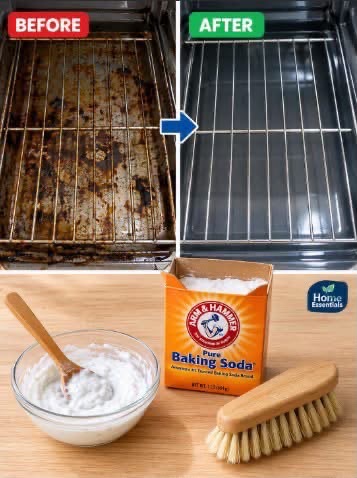
Cleaning a heavily soiled oven can feel like a difficult household chore, especially when grease, baked-on food, and dark residue have accumulated over time. A simple baking soda paste can help loosen many common oven residues without relying on strong commercial oven cleaners.
This natural oven-cleaning method is inexpensive, straightforward, and requires only a few basic household supplies. For particularly stubborn buildup, allowing the paste to sit overnight gives it more time to soften the residue before you wipe and scrub the oven clean.
Cleaning Overview
| Details | Information |
| Preparation Time | 15 minutes |
| Resting Time | 8–12 hours |
| Active Cleaning Time | 20–30 minutes |
| Total Time | Approximately 9–13 hours |
| Difficulty | Easy |
| Method | Baking soda cleaning paste |
| Best For | Grease, baked-on food, and general oven residue |
Why You’ll Love This Natural Oven Cleaning Method
Simple ingredients: You only need baking soda, water, and white vinegar, plus a few basic cleaning tools.
Budget-friendly: Baking soda is inexpensive and commonly available in most kitchens.
No strong oven-cleaner fumes: This method avoids the use of commercial caustic oven-cleaning sprays.
Great for routine deep cleaning: The baking soda paste can help loosen accumulated grease and food residue before wiping and scrubbing.
Easy overnight treatment: Applying the paste before bed allows you to do most of the work ahead of time.
Ingredients and Supplies
Cleaning Ingredients
| Item | Quantity / Details |
| Baking soda | ½ cup |
| Water | 3–4 tbsp, as needed |
| White vinegar | ½ cup |
| Dish soap | Optional, for oven racks |
Cleaning Tools
| Tool | Quantity |
| Scrubbing brush or non-abrasive sponge | 1 |
| Mixing bowl | 1 |
| Spoon | 1 |
| Damp microfiber cloths | 2 |
| Spray bottle | 1 |
Step-by-Step Instructions
1. Make Sure the Oven Is Completely Cool
Before cleaning, switch the oven off and allow it to cool completely.
Remove the oven racks, baking trays, thermometer, and any other removable items.
Never begin cleaning a hot oven with a baking soda paste or liquid cleaner.
2. Remove Loose Crumbs and Debris
Before applying the cleaning paste, remove loose crumbs, burnt food pieces, and other debris from the oven floor.
A dry cloth, soft brush, or paper towel can make this step quick and easy.
Removing loose debris first allows the baking soda paste to make better contact with the greasy surfaces underneath.
3. Prepare the Baking Soda Paste
Add ½ cup of baking soda to a small mixing bowl.
Gradually add 3 tablespoons of water, stirring as you go.
Add the remaining tablespoon of water only if needed.
The goal is to create a thick, spreadable paste rather than a watery mixture.
4. Apply the Baking Soda Paste
Using a sponge, cloth, or gloved hand, spread the paste over the dirty interior surfaces of the oven.
Concentrate on areas with visible grease, baked-on food, and dark residue.
Avoid heating elements, gas burners, vents, electrical components, and other areas that should not be exposed to moisture or cleaning products.
Do not force paste into openings or vents.
5. Let the Paste Sit
Allow the baking soda paste to remain on the oven surfaces for approximately 8–12 hours, preferably overnight.
During this time, the paste can help loosen and soften accumulated grease and food residue.
For a heavily soiled oven, overnight treatment is generally more convenient than trying to remove everything immediately.
6. Clean the Oven Racks
While the paste is working, clean the oven racks separately.
Place the racks in a suitable tub or large basin and soak them in hot water with dish soap.
Allow them to soak for several hours if they have significant buildup.
Scrub them with a suitable brush or sponge, then rinse thoroughly and dry completely.
Avoid using abrasive tools that could damage the rack finish.
7. Wipe Away the Baking Soda
After the resting period, use a damp microfiber cloth to remove the softened baking soda paste and loosened residue.
You may need to rinse the cloth several times during this process.
For stubborn areas, use a non-abrasive sponge or appropriate scrubbing brush.
8. Use Vinegar for Remaining Residue
Place the white vinegar in a spray bottle.
Lightly spray vinegar onto areas where baking soda residue remains.
The acidic vinegar reacts with the alkaline baking soda, producing bubbling that can help loosen remaining residue.
Avoid excessive spraying, particularly around heating elements, vents, electrical components, and other sensitive areas.
9. Scrub Stubborn Spots
For remaining baked-on residue, gently scrub with a suitable non-abrasive sponge or cleaning brush.
Do not use excessive force on delicate oven surfaces.
For extremely stubborn carbonized buildup, several cleaning cycles may be safer and more effective than aggressive scraping.
10. Perform the Final Wipe
Use a clean, damp microfiber cloth to wipe the entire accessible interior.
Continue wiping until visible baking soda and vinegar residue have been removed.
You may need to rinse the cloth several times to prevent spreading residue around the oven.
11. Dry the Oven
Leave the oven door open for a while so the interior can air-dry completely.
Make sure there is no remaining moisture or loose cleaning residue before using the oven again.
12. Reinstall the Racks
Once the oven racks are clean and completely dry, return them to the oven.
Your oven is now ready for normal use.
Best Tips for Cleaning a Dirty Oven
Clean regularly: A light cleaning every so often is much easier than waiting until grease and food residue become heavily carbonized.
Use a thick paste: A thick baking soda paste stays where you apply it and is easier to spread across dirty surfaces.
Give stubborn buildup time: Overnight contact can be more useful than immediately scrubbing heavily soiled areas.
Don’t soak the oven interior: Baking soda paste should be applied in a controlled layer rather than flooding the oven with water.
Protect sensitive components: Keep cleaning mixtures away from heating elements, burners, vents, electrical components, and other areas specified by your oven manufacturer.
Read the manufacturer’s instructions: Some oven interiors have special coatings or cleaning requirements. Check the owner’s manual before using any homemade cleaning method.
Best Ingredient Options
Baking Soda
Baking soda is the main cleaning ingredient in this method. Its mild abrasive quality and alkaline nature can help loosen greasy and food-based residue.
White Vinegar
White vinegar can be useful for removing remaining baking soda residue. The bubbling reaction between vinegar and baking soda can help loosen some residue, although the two ingredients largely neutralize each other when mixed together.
Dish Soap
A small amount of regular dish soap can be particularly useful when soaking greasy oven racks.
Natural Oven Cleaning Variations
Baking Soda and Dish Soap
For especially greasy surfaces, you can add a small amount of dish soap to the baking soda paste. This can provide additional grease-cutting power.
Baking Soda Paste Only
If you prefer a simpler method, use only baking soda and water. The paste can be left overnight and then wiped away with a damp cloth.
Fresh Lemon Finish
After the oven has been thoroughly cleaned and wiped, a small amount of diluted lemon-based cleaner can provide a fresh scent. Always ensure the oven is completely wiped and dried before use.
What to Avoid When Cleaning Your Oven
Avoid Mixing Cleaning Chemicals
Never combine homemade cleaning ingredients with commercial oven cleaners, bleach, ammonia, or other chemical products.
Different cleaning chemicals can produce dangerous fumes or unwanted reactions.
Avoid Heating the Cleaning Mixture
Do not turn the oven on while cleaning products or homemade cleaning mixtures are inside.
Allow the oven to remain completely cool during the cleaning process.
Avoid Heating Elements
Do not coat electric heating elements with baking soda paste or spray them directly with liquid.
Avoid Gas Vents and Burners
If you have a gas oven, keep the cleaning mixture away from gas openings and burner components.
Avoid Excessive Water
Do not pour water into the bottom of the oven or spray large amounts of liquid inside. Excess moisture can reach components that should remain dry.
Make-Ahead Cleaning Instructions
This cleaning method is naturally suited to an overnight schedule.
In the evening, remove the oven racks, prepare the baking soda paste, and apply it to the appropriate dirty surfaces.
Leave it overnight.
The following morning, wipe away the paste, clean any remaining residue, rinse the oven racks, and allow everything to dry before using the oven again.
How Often Should You Clean Your Oven?
The ideal cleaning frequency depends on how often you use your oven and how much food or grease spills inside.
A quick wipe after major spills can prevent residue from becoming heavily baked onto the surface.
A deeper cleaning every few months can help keep accumulated grease and food residue under control.
If you regularly roast, bake, or cook foods that splatter, you may need to clean the oven more frequently.
Common Oven-Cleaning Mistakes to Avoid
Applying paste to a hot oven: Always allow the oven to cool completely first.
Using too much water: Excess moisture can damage components and make the cleaning process unnecessarily messy.
Covering heating elements: Keep cleaning mixtures away from heating elements and other sensitive components.
Leaving cleaning residue behind: Thoroughly wipe the interior with clean, damp cloths after cleaning.
Using aggressive abrasives: Harsh scouring pads or metal tools can scratch or damage some oven surfaces.
Ignoring the manufacturer’s instructions: Different ovens use different interior coatings and components, so always check the manufacturer’s recommendations.
Frequently Asked Questions
Does baking soda remove burnt-on grease from an oven?
Baking soda can help loosen and soften many types of baked-on grease and food residue. Very old or heavily carbonized buildup may require repeated treatments or a manufacturer-approved cleaner.
How long should I leave baking soda in the oven?
For a deep clean, 8–12 hours or overnight is a practical approach. Always follow the cleaning recommendations for your specific oven.
Can I use baking soda and vinegar together?
Yes, but they react immediately and largely neutralize each other. For this method, it is more effective to use the baking soda paste first and then use a small amount of vinegar afterward to help loosen remaining baking soda residue.
Can I use this method on the oven door?
Baking soda can generally be used to clean suitable glass surfaces, but check your oven manufacturer’s instructions first. Avoid getting paste into vents, seals, or openings.
Can I use baking soda on a self-cleaning oven?
Check the manufacturer’s instructions first. Self-cleaning ovens may have specialized interior surfaces, and the recommended cleaning procedure can differ from a conventional oven.
Is baking soda safe for oven cleaning?
Baking soda is commonly used as a household cleaning ingredient, but it should still be used appropriately. Keep it away from heating elements, electrical components, burners, vents, and other sensitive areas.
Final Thoughts
Cleaning a dirty oven doesn’t have to involve complicated equipment or strong commercial products. A simple baking soda cleaning paste can help loosen grease, baked-on food, and everyday oven residue while keeping the cleaning process inexpensive and straightforward.
For the best results, give the paste plenty of time to work, scrub gently where necessary, and finish with several thorough wipes using clean, damp microfiber cloths.
Always check your oven’s care instructions before using any homemade cleaning method, especially if your appliance has a special interior coating, self-cleaning function, gas components, or exposed heating elements.