
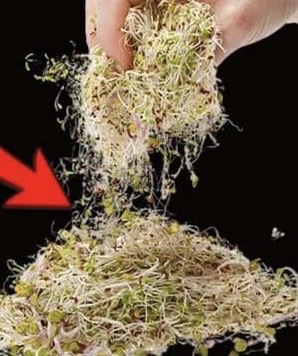
Looking for an easy way to add fresh, nutritious ingredients to your daily meals? Homemade alfalfa sprouts are a simple and affordable option that can bring freshness, texture, and variety to your diet.
These delicate green sprouts are easy to grow at home using alfalfa seeds, clean water, and a glass jar. After a few days of rinsing and draining, the seeds develop into tender sprouts that can be added to salads, sandwiches, wraps, and other dishes.
Alfalfa sprouts contain fiber, vitamin K, vitamin C, and other nutrients. They can be part of a balanced eating plan, but they are not a proven treatment for gout, high uric acid, or severe joint disease.
Recipe Overview
| Details | Information |
| Preparation Time | 10 minutes |
| Initial Soaking Time | 8–12 hours |
| Germination Time | 4–6 days |
| Total Time | Approximately 4–6 days |
| Main Ingredient | Alfalfa seeds |
| Yield | Depends on the quantity of seeds |
| Difficulty | Easy |
| Method | Jar sprouting |
Why You’ll Love This Recipe
Growing alfalfa sprouts at home is inexpensive and requires very little equipment. You can prepare fresh sprouts for salads, sandwiches, and healthy bowls without needing a garden or special growing equipment.
Their delicate texture and mild, fresh flavor make them easy to combine with many everyday ingredients.
Ingredients
| Ingredient | Quantity |
| Alfalfa seeds suitable for sprouting | 1–2 tablespoons |
| Clean drinking water | As needed |
Equipment Needed:
- A clean glass jar
- A breathable sprouting lid or clean food-safe mesh
- An elastic band
- A clean bowl
- A refrigerator
- A clean container for storage
Step-by-Step Instructions
Step 1: Soak the Seeds
Place 1–2 tablespoons of alfalfa seeds into a clean glass jar.
Cover the seeds with plenty of clean drinking water and allow them to soak for approximately 8–12 hours at room temperature.
This helps soften the seed coating and prepares the seeds for germination.
Step 2: Rinse and Drain
After soaking, drain the water through the mesh lid.
Rinse the seeds thoroughly with fresh drinking water, then drain them completely.
Removing excess water is important because standing moisture can encourage unwanted bacterial growth.
Step 3: Begin the Germination Process
Place the jar at an angle of approximately 45 degrees, with the opening facing downward so excess water can drain.
Keep the jar in a clean, well-ventilated location away from direct sunlight and excessive heat.
Step 4: Rinse Twice Daily
Rinse the seeds with clean drinking water twice daily, preferably in the morning and evening.
After each rinse, drain the water thoroughly.
Continue this process for approximately 4–6 days, while checking the sprouts regularly for unusual odors, sliminess, or discoloration.
Step 5: Harvest the Sprouts
When the seeds have developed small green shoots, they are ready for harvesting, provided they appear fresh and healthy.
Rinse them one final time and remove loose seed hulls.
Drain thoroughly and dry gently using a clean paper towel.
Step 6: Refrigerate
Transfer the sprouts to a clean, food-safe container and refrigerate immediately.
For the best quality and food safety, consume them promptly and discard any sprouts that develop an unpleasant smell, slimy texture, or unusual appearance.
Best Tips for Successful Germination
Always begin with seeds specifically labeled for sprouting rather than ordinary garden seeds.
Use clean equipment, wash your hands before handling the seeds, and rinse them with safe drinking water. Thorough drainage after every rinse is essential.
Keep the jar clean and avoid warm, humid conditions that encourage bacterial growth.
Important food safety note: Raw alfalfa sprouts have been associated with foodborne illness outbreaks, including Salmonella and E. coli. Rinsing and home sprouting do not eliminate this risk. Pregnant women, young children, older adults, and people with weakened immune systems should avoid raw sprouts. Cooking sprouts thoroughly reduces the risk.
Best Ingredient Options
Alfalfa seeds are traditionally used for their small, delicate shoots and mild flavor.
Other sprouting seeds include broccoli, radish, and mung beans. Always purchase food-grade seeds intended specifically for sprouting and follow their individual growing instructions.
Recipe Variations
You can incorporate properly handled alfalfa sprouts into a variety of meals.
Add them to vegetable salads with cucumber and tomatoes, layer them into sandwiches with chicken and avocado, or use them as a fresh topping for grain bowls.
For a safer alternative to eating raw sprouts, cook them thoroughly in stir-fries, soups, or omelets.
What to Serve With
Alfalfa sprouts pair well with grilled chicken, boiled eggs, cucumber, tomatoes, avocado, and whole-grain bread.
They can also complement rice bowls, vegetable wraps, and homemade sandwiches.
Make-Ahead Instructions
You can begin germinating the seeds several days before you plan to use them.
Prepare a small batch at a time and maintain a consistent rinsing and draining routine. Avoid preparing more sprouts than you can consume promptly.
Storage
Store harvested sprouts in a clean, food-safe container in the refrigerator at 40°F (4°C) or below.
Keep them dry and refrigerated, and consume them as soon as possible. Do not eat sprouts that smell unpleasant, appear slimy, or show signs of spoilage.
Reheating and Cooking
Alfalfa sprouts are often eaten raw, but raw sprouts carry a foodborne illness risk.
For a safer preparation, cook them thoroughly in a stir-fry, soup, or other hot dish. Add them early enough to ensure they are heated thoroughly rather than simply warmed.
Freezing
Freezing is not recommended for fresh alfalfa sprouts intended for salads or sandwiches because it significantly changes their delicate texture.
It is better to grow small quantities and use them fresh.
Common Mistakes to Avoid
Using ordinary garden seeds instead of food-grade sprouting seeds can introduce unwanted contaminants.
Leaving excess water inside the jar creates conditions that encourage bacterial growth. Always drain thoroughly after rinsing.
Do not assume that a healthy-looking sprout is free from harmful bacteria. Contamination may not change its smell, color, or appearance.
Finally, never rely on homemade sprouts as a substitute for medical treatment for gout or arthritis.
Nutrition Estimate
Approximate values per 100 g of raw alfalfa sprouts.
| Nutrient | Amount |
| Calories | 23 kcal |
| Protein | 4 g |
| Carbohydrates | 2.1 g |
| Fat | 0.7 g |
| Fiber | 1.9 g |
| Vitamin C | 8.2 mg |
| Vitamin K | 30.5 mcg |
| Calcium | 32 mg |
Nutrition values are approximate and may vary depending on growing conditions.
Alfalfa Sprouts, Uric Acid, and Gout: What You Should Know
Alfalfa sprouts contain various nutrients and plant compounds, but there is currently insufficient scientific evidence to show that eating them lowers uric acid or prevents gout attacks.
Gout occurs when uric acid builds up and forms crystals in the joints, causing inflammation and painful attacks. Severe or repeated gout can lead to tophi, which are deposits of urate crystals that may damage joints.
A balanced diet, adequate hydration, and appropriate medical treatment are important parts of gout management.
Alfalfa sprouts should be considered a food rather than a natural gout remedy. People with gout should discuss dietary changes and treatment options with their healthcare professional.
Frequently Asked Questions
Do alfalfa sprouts help lower uric acid?
There is no reliable clinical evidence that alfalfa sprouts directly lower uric acid levels. They can be included in a balanced diet but should not be considered a gout treatment.
How long does it take to grow alfalfa sprouts?
Alfalfa seeds generally take approximately 4–6 days to develop into young sprouts under suitable conditions.
Can I eat alfalfa sprouts every day?
They can be part of a varied diet, but raw sprouts carry a food safety risk. Thorough cooking is the safer option, particularly for vulnerable individuals.
Are alfalfa sprouts good for joint health?
They provide nutrients that contribute to general nutritional health, but there is no established evidence that they reverse joint damage or treat arthritis.
Can alfalfa sprouts cure gout?
No. Gout is a medical condition that requires appropriate diagnosis and treatment. Alfalfa sprouts cannot dissolve uric acid crystals or replace prescribed medication.
Can I grow alfalfa sprouts without sunlight?
Yes. They can germinate without direct sunlight. Keep the jar in a clean, well-ventilated place and follow proper rinsing and draining practices.
How should I know if my sprouts have gone bad?
Discard sprouts with an unpleasant odor, slimy texture, unusual discoloration, or visible mold. Remember that harmful bacteria may be present even when sprouts look and smell normal.
Final Thoughts
Homemade alfalfa sprouts are an easy way to introduce variety and additional nutrients into your daily meals. With a few simple supplies, food-grade seeds, and proper hygiene, you can grow fresh sprouts at home in just a few days.
Although alfalfa sprouts can contribute to a balanced diet, they are not a proven remedy for gout, high uric acid, or severe arthritis.
If you experience painful joint swelling, recurrent gout attacks, or visible joint deformities, consult a healthcare professional for proper evaluation and treatment.
⚠️ This recipe may not be suitable for everyone, so it is advisable to consult a doctor.