
Introduction
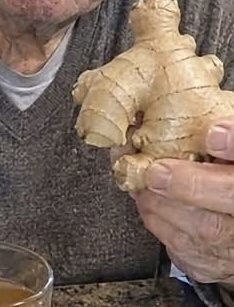
Onion and ginger tea is a simple homemade infusion prepared with fresh onion, ginger, and water. With its warm, spicy flavor and distinctive aroma, this traditional drink can be enjoyed as part of a balanced lifestyle.
Ginger contains bioactive compounds such as gingerols, while onions provide plant compounds and antioxidants. However, there is no reliable scientific evidence that onion and ginger tea can cure an enlarged prostate in 12 hours or replace prescribed treatment.
This recipe is intended as a comforting beverage, not a medical treatment. Anyone experiencing urinary symptoms should consult a qualified healthcare professional for an accurate diagnosis and appropriate care.
Recipe Overview
| Detail | Information |
| Recipe name | Onion and Ginger Herbal Tea |
| Preparation time | 5 minutes |
| Cooking time | 10–15 minutes |
| Total time | 15–20 minutes |
| Servings | 2 cups |
| Difficulty | Easy |
| Main ingredients | Onion, fresh ginger, water |
| Flavor | Warm, spicy, slightly sweet |
| Diet | Vegetarian, vegan without honey |
| Best served | Warm |
Why You’ll Love This Recipe
This homemade ginger and onion infusion requires only a few everyday ingredients and is easy to prepare in a saucepan. Its warming flavor makes it a comforting alternative to sweetened beverages, especially during cooler weather.
You can customize the taste with lemon juice or a small amount of honey. The recipe also provides an opportunity to enjoy ginger and onions, both of which contain naturally occurring plant compounds, without making exaggerated claims about their health effects.
Ingredients
| Ingredient | Quantity | Notes |
| Fresh onion | 1 medium | Yellow or red onion, peeled and sliced |
| Fresh ginger root | 1 piece, about 2–3 cm | Washed and thinly sliced or grated |
| Water | 2 cups (480 ml) | Filtered water if preferred |
| Fresh lemon juice | 1–2 teaspoons, optional | Adds a refreshing citrus flavor |
| Honey | 1 teaspoon, optional | Adds sweetness; omit for a vegan version |
Step-by-Step Instructions
Step 1: Prepare the ingredients.
Peel the onion and cut it into thin slices. Wash the ginger thoroughly, remove the skin if desired, and slice or grate it into small pieces.
Step 2: Bring the water to a boil.
Pour 2 cups (480 ml) of water into a small saucepan. Heat over medium-high heat until the water reaches a boil.
Step 3: Add the onion and ginger.
Carefully add the sliced onion and prepared ginger to the boiling water. Stir gently to distribute the ingredients.
Step 4: Simmer the infusion.
Reduce the heat to low and simmer for 10–15 minutes. Keep the saucepan partially covered to help retain the liquid and aroma.
Step 5: Strain the tea.
Remove the saucepan from the heat. Allow the infusion to cool slightly, then pour it through a fine-mesh strainer into two heatproof cups.
Step 6: Adjust the flavor.
Add a little lemon juice or honey if desired. Stir well and serve warm.
Practical Tips
Use fresh ginger for a stronger, more aromatic flavor. Slice it thinly to help release its flavor during simmering.
Avoid boiling the mixture for excessively long periods, as this can produce a stronger onion taste. If the infusion is too intense, dilute it with a little hot water.
Start with a small serving if you are unfamiliar with ginger tea, particularly if ginger tends to cause heartburn or stomach discomfort.
Best Ingredient Alternatives
| Original ingredient | Alternative |
| Yellow onion | Red onion or white onion |
| Fresh ginger | A small pinch of ground ginger |
| Lemon juice | A small slice of fresh lemon |
| Honey | Maple syrup or no sweetener |
| Plain water | Water with a small amount of lemon |
Recipe Variations
For a citrus version, add a little lemon juice after straining. For a milder infusion, use half an onion and a smaller piece of ginger. If you prefer a sweeter flavor, add a small amount of honey once the tea has cooled slightly.
Avoid adding numerous herbs or supplements in the belief that they will make the drink a more powerful treatment for prostate conditions. More ingredients do not necessarily mean greater health benefits.
What to Serve With This Drink
Enjoy the infusion alongside a light breakfast, whole-grain toast, oatmeal, or fresh fruit. It can also be served after a meal as a warm, caffeine-free beverage.
For general prostate and urinary health, focus on a balanced diet, regular physical activity, adequate sleep, and medical advice when symptoms occur. No specific drink has been established as a cure for an enlarged prostate.
Make-Ahead Instructions
You can prepare the infusion a few hours ahead of serving. Allow it to cool, transfer it to a clean, covered container, and refrigerate promptly.
For the freshest flavor, prepare a new batch when needed rather than keeping large quantities for several days.
Storage
Store leftover tea in a clean, airtight container in the refrigerator at 4°C (40°F) or below. For the best quality, consume it within 24 hours.
Discard the infusion if it has been left at room temperature for more than two hours.
Reheating
Pour the desired amount into a saucepan and warm gently over low heat until comfortably hot. Alternatively, use a microwave-safe cup and heat in short intervals, stirring carefully before drinking.
Avoid overheating, and check the temperature before serving.
Freezing
Freezing is generally unnecessary for this simple infusion. If you want to prepare it in advance, refrigerating a small batch is more convenient. Freezing may slightly alter the flavor, and the tea should be cooled before being placed in a freezer-safe container.
Common Mistakes to Avoid
Using too much ginger can make the tea excessively spicy and may cause heartburn or digestive discomfort. Simmering the onion for too long can also create an overpowering flavor.
Another important mistake is relying on this beverage to treat urinary symptoms. Frequent urination, difficulty starting urination, a weak urine stream, or waking repeatedly at night can have several causes and deserve medical assessment.
Seek urgent medical care if you cannot urinate at all, especially if you have a painful or swollen lower abdomen.
Nutrition Estimate
Approximate values per serving, assuming the infusion is strained and consumed without honey or lemon:
| Nutrient | Estimated amount |
| Calories | 5–15 kcal |
| Carbohydrates | 1–3 g |
| Protein | Less than 1 g |
| Fat | Less than 1 g |
| Fiber | Very little in the strained liquid |
| Added sugar | 0 g |
Actual nutritional values depend on the ingredients and how much of the onion and ginger compounds remain in the liquid. Adding honey increases the calories and sugar content.
Frequently Asked Questions
1. Can onion and ginger tea cure an enlarged prostate in 12 hours?
No. There is no credible scientific evidence that this infusion can cure benign prostatic hyperplasia (BPH), shrink an enlarged prostate within 12 hours, or replace medical treatment.
2. What are the benefits of ginger tea?
Ginger contains compounds that have been studied for their biological effects. Ginger tea can be a pleasant beverage, but the benefits demonstrated in research on concentrated extracts or supplements cannot automatically be attributed to this homemade infusion.
3. Is onion tea good for prostate health?
Onions contain antioxidants and other plant compounds, but evidence does not establish onion tea as an effective treatment for prostate enlargement or urinary symptoms.
4. How often can I drink this infusion?
There is no medically established dosage for treating prostate problems because the drink is not a proven treatment. If you enjoy it, consume it in moderation as a beverage, provided the ingredients are suitable for you.
5. Can I drink it before bedtime?
You can drink it in the evening if it agrees with you. However, people who wake frequently to urinate may benefit from limiting fluids during the hours before bedtime, according to their clinician’s advice.
6. Can ginger interact with medications?
Ginger may interact with certain medicines, including some that affect blood clotting, and concentrated preparations can cause side effects. Ask your doctor or pharmacist if you take regular medication or have a medical condition.
7. What is the proper treatment for an enlarged prostate?
Treatment depends on symptom severity and the underlying cause. A healthcare professional may recommend monitoring, lifestyle adjustments, prescription medicines, or procedures when appropriate. Sudden inability to urinate requires urgent medical attention.
Conclusion
Onion and ginger tea is an easy, warming homemade beverage that can be prepared with a few simple ingredients. Its flavor can be adjusted with lemon or a little honey, making it a useful addition to a varied diet.
However, natural ingredients should not be presented as miracle cures. This infusion has not been proven to cure an enlarged prostate in 12 hours. Anyone experiencing urinary difficulties should seek professional medical advice rather than delaying diagnosis or treatment.
⚠️ Medical disclaimer: This recipe may not be suitable for everyone. Consult a doctor or pharmacist if you have a medical condition, take medication, or are considering using herbal remedies to manage symptoms.