
Introduction
Pigweed, commonly referring to several plants in the Amaranthus genus, has been traditionally used as a leafy green in different cuisines. When the plant has been correctly identified as an edible Amaranthus species, the dried leaves can also be prepared as a simple herbal infusion.
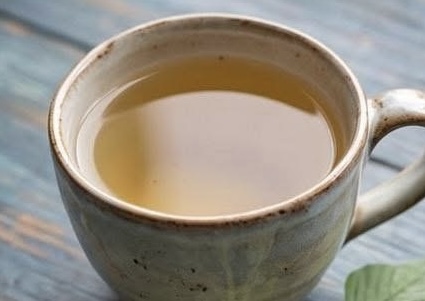
This homemade pigweed tea recipe uses dried Amaranthus leaves and hot water to create a mild, earthy beverage that can be enjoyed warm or chilled.
Because the common name “pigweed” can refer to several different plants, correct botanical identification is essential before consuming any wild plant. Do not use a plant simply because it resembles the one pictured.
Recipe Overview
| Category | Details |
| Recipe | Pigweed (Amaranthus) Herbal Tea |
| Preparation Time | 5 minutes |
| Steeping Time | 8–10 minutes |
| Total Time | 13–15 minutes |
| Yield | 1–2 cups |
| Difficulty | Easy |
| Serving | Warm or chilled |
Why You’ll Love This Recipe
This simple herbal tea recipe requires only dried Amaranthus leaves and water, making it an inexpensive homemade beverage that is easy to prepare.
The infusion has a gentle earthy flavor that can be enjoyed on its own or lightly sweetened with honey or another preferred sweetener.
It is also a convenient way to prepare dried edible leafy herbs without complicated equipment or elaborate cooking techniques.
Ingredients
Main Ingredients
| Ingredient | Amount |
| Properly identified, food-grade dried Amaranthus leaves | 1–2 teaspoons |
| Filtered water | 1½ cups (360 ml) |
Optional Ingredients
| Ingredient | Amount |
| Honey | ½–1 teaspoon |
| Fresh lemon juice | ½–1 teaspoon |
| Fresh mint | 2–3 leaves |
| Cinnamon stick | Small piece |
Important: Use only Amaranthus that has been positively identified as an edible species and appropriately prepared for food use. Do not harvest from roadsides, areas treated with pesticides, industrial sites, or contaminated soil.
Step-by-Step Instructions
1. Prepare the Water
Pour 1½ cups (360 ml) of filtered water into a small saucepan or kettle.
Bring the water to approximately 90–95°C (194–203°F). It should be very hot but does not need to be aggressively boiling.
2. Add the Dried Herb
Place 1–2 teaspoons of food-grade dried Amaranthus leaves into a heatproof cup or teapot.
Pour the hot water over the dried leaves.
3. Steep
Cover the cup and allow the tea to steep for 8–10 minutes.
Covering the cup helps retain heat and keeps the infusion clean while it steeps.
4. Strain
Pour the tea through a fine tea strainer to remove the leaves.
5. Adjust the Flavor
Taste the infusion before adding anything else.
If desired, add a small amount of honey, lemon juice, fresh mint, or cinnamon for additional flavor.
6. Serve
Serve immediately while warm, or allow it to cool and refrigerate it for a refreshing chilled herbal beverage.
Best Tips
Use food-grade dried Amaranthus from a reliable source whenever possible rather than collecting an unidentified wild plant.
A covered steeping process produces a cleaner and more consistent herbal infusion.
Start with a small amount of dried leaves if you are unfamiliar with the flavor. You can adjust the strength in future batches according to your taste.
For a refreshing summer drink, allow the tea to cool completely and serve it over ice with a small squeeze of lemon.
Best Ingredient Options
Dried Amaranthus leaves: Choose clean, properly dried leaves intended for culinary use. The exact flavor can vary between Amaranthus species.
Filtered water: Clean, fresh water gives the tea a better flavor and prevents unwanted mineral or chlorine notes.
Honey: A small amount of honey provides natural sweetness without overpowering the earthy flavor.
Lemon: Fresh lemon juice adds brightness and acidity to the finished beverage.
Recipe Variations
Lemon Amaranth Tea
Prepare the basic infusion and add ½–1 teaspoon of fresh lemon juice after straining. Serve warm or chilled.
Honey Amaranth Tea
Add ½–1 teaspoon of honey while the tea is still warm and stir until completely dissolved.
Mint Amaranth Tea
Steep 2–3 fresh mint leaves together with the dried Amaranthus for a fresher, more aromatic flavor.
Iced Amaranth Tea
Prepare the tea slightly stronger by using 2 teaspoons of dried leaves per 1½ cups of water. Cool completely, refrigerate, and serve over ice.
What to Serve With
This mild herbal tea pairs well with light breakfast foods such as oatmeal, toast, fresh fruit, yogurt, or homemade muffins.
For an afternoon beverage, serve it alongside simple cookies, fruit salad, or a small sandwich.
If you prefer a savory combination, the earthy character of the tea works nicely with vegetable-based snacks and light salads.
Make-Ahead Instructions
Prepare the tea according to the recipe, allow it to cool, and transfer it to a clean covered container.
Refrigerate promptly and use within 24 hours for the best flavor and freshness.
For a larger batch, maintain the same approximate ratio of 1–2 teaspoons dried herb per 1½ cups of water.
Storage
Store unused dried Amaranthus in an airtight container in a cool, dry, dark place.
Keep moisture away from dried herbs because humidity can encourage spoilage or mold.
Once prepared, store the tea in a covered container in the refrigerator rather than leaving it at room temperature for an extended period.
Reheating
For refrigerated tea, gently warm the desired amount in a saucepan or microwave until comfortably hot.
Avoid repeatedly reheating the entire batch. Heat only the portion you plan to drink.
Freezing
Freezing prepared herbal tea is possible, although the flavor may change slightly after thawing.
Pour cooled tea into an airtight freezer-safe container, leaving room for expansion.
Thaw in the refrigerator and use promptly. For the best flavor, freshly prepared tea is preferable.
Common Mistakes to Avoid
Using an unidentified wild plant: The name “pigweed” can describe multiple Amaranthus species and other plants. Never consume a wild plant based solely on a photograph or common name.
Harvesting from contaminated locations: Avoid plants growing beside busy roads, sprayed lawns, industrial areas, waste sites, or other potentially contaminated locations.
Using spoiled dried herbs: Discard herbs that have visible mold, an unusual odor, moisture, or other signs of deterioration.
Making exaggerated health claims: This beverage should be considered a food or herbal drink, not a treatment for a medical condition. Claims that pigweed tea can cure diseases or replace medical treatment are not appropriate.
Making the tea excessively concentrated: More herb does not necessarily mean a better beverage. Begin with a modest amount and adjust the flavor rather than preparing an extremely strong infusion.
Nutrition Estimate
Nutrition will vary depending on the amount of herb and optional ingredients used.
| Nutrient | Approx. per 1 cup, without sweetener |
| Calories | 0–5 kcal |
| Carbohydrates | <1 g |
| Protein | <1 g |
| Fat | <1 g |
| Fiber | <1 g |
| Added Sugar | 0 g |
Adding honey or another sweetener will increase the calorie and carbohydrate content.
Frequently Asked Questions
Is pigweed the same as Amaranthus?
“Pigweed” is a common name used for several plants, many of which belong to the Amaranthus genus. However, the common name alone is not enough to establish that a particular plant is safe to eat.
Can I make tea from fresh pigweed leaves?
Only use fresh leaves when you have positively identified the plant as an edible Amaranthus species and know that it has been appropriately grown and prepared for food use. For consistency, food-grade dried leaves are the safer choice for this recipe.
What does Amaranthus tea taste like?
The flavor is generally mild and earthy, although the taste can vary considerably depending on the species, growing conditions, and drying method.
Can I drink pigweed tea every day?
There is not enough reliable evidence to recommend a specific daily amount for homemade pigweed tea. If you want to consume it regularly, particularly if you take medication, are pregnant or breastfeeding, or have a medical condition, discuss it with a qualified healthcare professional.
Can children drink this herbal tea?
Because plant identification, preparation, and individual tolerance are important considerations, it is best to ask a pediatrician or other qualified healthcare professional before giving an unfamiliar herbal preparation to a child.
Can I use pigweed from my garden?
Only if you are certain of the plant’s botanical identity and it has been grown under appropriate food-safe conditions. Garden weeds should not automatically be considered edible simply because they resemble culinary Amaranthus.
Final Thoughts
Pigweed, or edible Amaranthus, can be prepared as a simple homemade herbal infusion when the plant has been correctly identified and obtained from a safe, food-grade source.
The recipe is intentionally simple: hot water, dried leaves, and a short steeping time are all you need for a mild earthy beverage. Honey, lemon, or mint can be added when you want a different flavor.
The most important part of any wild-herb recipe is accurate plant identification and safe sourcing. Never consume an unidentified plant based on an online photograph alone.
⚠️This recipe may not be suitable for everyone, so it is advisable to consult a doctor.