
Achieving a healthy-looking, hydrated, and radiant complexion does not require complicated skincare routines. Rice water is a popular ingredient in traditional beauty practices, while cloves are known for their distinctive aroma and contain eugenol, a compound with antimicrobial properties that can also irritate the skin.
This DIY Rice Water and Clove Facial Toner is inspired by the viral “glass skin” trend, which focuses on a smooth, hydrated, luminous appearance. However, it is important to understand that there is no strong clinical evidence that homemade rice water and clove toner can permanently brighten skin, remove wrinkles, or treat acne.
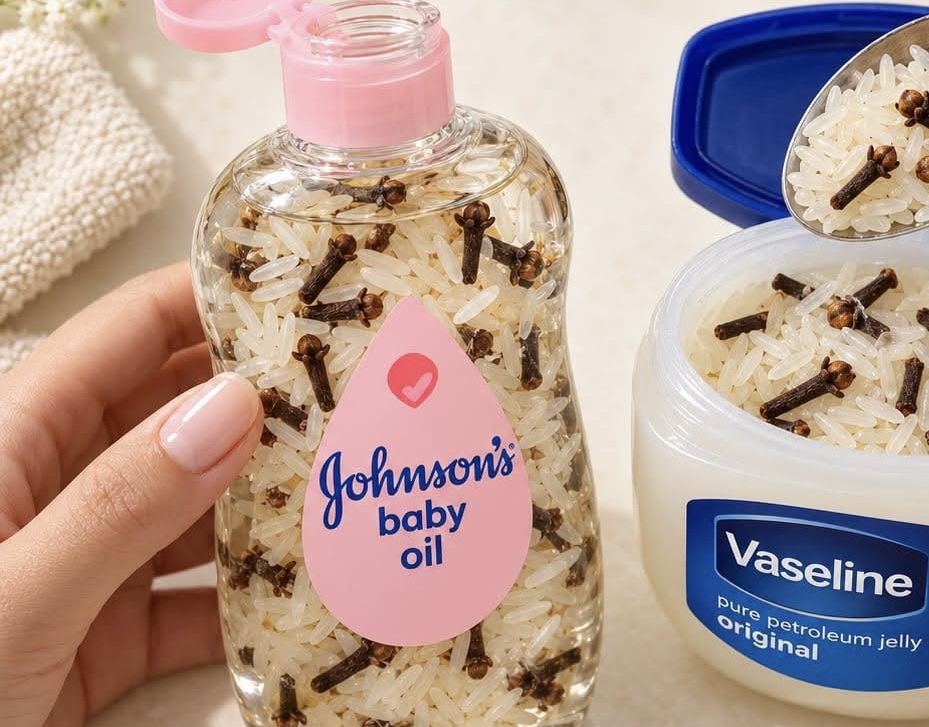
Unlike viral beauty images suggesting that raw rice and whole cloves can simply be placed inside baby oil or petroleum jelly, this recipe uses a water-based preparation. It also includes important precautions because homemade skincare products are not preserved like commercially formulated cosmetics.
Recipe Overview
| Detail | Information |
| Preparation Time | 5 minutes |
| Cooking Time | 3–5 minutes |
| Cooling Time | Approximately 20–30 minutes |
| Total Time | Approximately 30–40 minutes |
| Yield | Approximately ¼–½ cup, depending on straining |
| Category | DIY skincare |
| Main Ingredients | Rice, water, cloves |
| Intended Use | Optional rinse-off facial preparation |
Why You Should Be Careful With This DIY Skincare Recipe
Rice water is commonly used in traditional beauty routines because it contains starch and other water-soluble rice components. It may temporarily leave the skin feeling soft, although evidence supporting specific skin-brightening or anti-aging effects remains limited.
Cloves contain eugenol, a fragrant compound that can cause irritation or allergic contact dermatitis. Applying clove-infused preparations to delicate facial skin may cause redness, burning, itching, or swelling, particularly in people with sensitive skin.
For this reason, the safest option is to leave cloves out of a facial toner, especially if you have sensitive skin, eczema, rosacea, or a history of fragrance allergies. A simple rice-water preparation is a gentler alternative, although it is not guaranteed to suit everyone.
Ingredients
For a Simple Rice Water Facial Preparation
| Ingredient | Quantity |
| White rice, uncooked | 2 tablespoons |
| Distilled or freshly boiled and cooled water | ½ cup (120 ml) |
Optional Ingredient
| Ingredient | Quantity | Purpose |
| Plain aloe vera gel formulated for facial use | A small amount, only if tolerated | May provide a soothing, moisturizing feel |
Important: Do not add baby oil, almond oil, or petroleum jelly directly to the water-based mixture. Oil and water do not blend reliably without an appropriate formulation, and adding extra ingredients may make the product harder to keep clean and stable.
Step-by-Step Instructions
Step 1: Rinse the Rice
Place 2 tablespoons of uncooked white rice in a clean bowl. Rinse it briefly with clean water to remove surface dust and loose particles.
Drain the rice before continuing.
Step 2: Prepare the Rice Water
Place the rinsed rice in a small saucepan with ½ cup (120 ml) of water.
Bring the mixture to a gentle simmer for approximately 3–5 minutes, stirring occasionally. The water may become slightly cloudy as starch is released.
Do not add cloves if your goal is to minimize the risk of facial irritation.
Step 3: Cool the Mixture
Remove the saucepan from the heat and allow the mixture to cool completely.
Never apply hot liquid to your face. Heat can irritate the skin and cause burns.
Step 4: Strain the Rice Water
Pour the cooled mixture through a clean, fine-mesh strainer into a clean container. Discard the rice and keep only the liquid.
Avoid touching the liquid with your fingers, and use clean utensils throughout preparation.
Step 5: Apply Carefully
If you choose to try the preparation, apply a small amount to a limited area of clean skin using clean hands or a fresh cotton pad. Avoid the eyes, lips, broken skin, and irritated areas.
Rinse it off after a few minutes, then apply a fragrance-free moisturizer. Stop using it immediately if you notice burning, redness, itching, or swelling.
You do not need to use a facial toner to achieve healthy-looking skin. A gentle cleanser, moisturizer, and daily sunscreen are generally more useful foundations for a skincare routine.
What About Adding Cloves?
The viral version of this recipe includes 5–6 whole cloves. Although cloves contain eugenol, that does not mean a homemade clove infusion is a proven or safe facial treatment.
The concentration of compounds in homemade infusions is unpredictable, and the mixture has not been tested for facial safety or effectiveness. For that reason, this recipe does not recommend adding cloves to a facial toner.
Do not apply clove essential oil directly to your face. Essential oils can be highly concentrated and may cause significant irritation or allergic reactions.
How to Use Rice Water in a Skincare Routine
If your skin tolerates the preparation, use it occasionally rather than assuming daily application is necessary. Keep the routine simple:
Step 1: Cleanse your face with a gentle cleanser.
Step 2: If desired, apply a small amount of freshly prepared rice water to a small test area.
Step 3: Rinse it off and apply a fragrance-free moisturizer.
Step 4: In the morning, finish with broad-spectrum sunscreen of SPF 30 or higher.
For a naturally luminous appearance, maintaining the skin’s moisture barrier and protecting it from excessive sun exposure are more reliable approaches than relying on viral DIY remedies.
Can You Use Vaseline for Glass Skin?
Petroleum jelly, commonly sold as Vaseline, is an occlusive moisturizer. It helps reduce water loss from the skin and can be useful for protecting dry areas.
If you already tolerate petroleum jelly, you can apply a very thin layer over your regular moisturizer to dry areas at night. This technique is often called “slugging.”
However, petroleum jelly does not permanently change skin texture or remove wrinkles. A thick layer may feel uncomfortable or worsen breakouts for some people, so use it selectively if you are prone to acne.
Never mix raw rice or whole cloves directly into a jar of petroleum jelly or a bottle of baby oil. These additions are not a properly formulated cosmetic product and can introduce contamination or create an irritating preparation.
Best Tips for Healthy, Glowing Skin
Keep your routine simple. Too many homemade ingredients can irritate the skin and make it difficult to identify the cause of a reaction.
Moisturize consistently. A moisturizer containing ingredients such as glycerin or ceramides can help support the skin barrier.
Use sunscreen daily. Broad-spectrum SPF 30 or higher helps protect against sun damage, uneven pigmentation, and premature skin aging.
Avoid harsh ingredients. Lemon juice, undiluted essential oils, abrasive scrubs, and strongly scented mixtures can irritate facial skin.
Patch-test cautiously. Before trying a new product, test it on a small area according to appropriate product instructions. A home patch test cannot guarantee that an allergic reaction will not occur.
Storage and Shelf Life
Homemade rice water contains water and has no validated preservative system. Harmful microorganisms can grow even when a preparation looks and smells normal.
For that reason, the safest approach is to prepare a small amount for immediate use and discard any leftovers rather than storing the mixture for seven days. Refrigeration does not make an unpreserved homemade skincare preparation sterile or guarantee its safety.
Do not use the preparation if it has been left at room temperature for an extended period or if you notice any change in appearance or smell.
Common Mistakes to Avoid
Expecting permanent skin brightening: Rice water has not been established as a treatment for hyperpigmentation or a way to permanently lighten natural skin tone.
Using cloves without considering irritation: Eugenol can trigger irritation or allergic reactions, particularly on sensitive facial skin.
Adding ingredients directly to petroleum jelly: Raw rice and cloves are not suitable additions to a finished cosmetic product.
Keeping homemade mixtures for too long: Water-based preparations without validated preservation can become contaminated.
Skipping sunscreen: No homemade toner can replace sun protection when your goal is to prevent sun damage and uneven pigmentation.
Continuing after a reaction: If the skin burns, becomes swollen, or develops a rash, rinse the product off and discontinue use. Seek medical advice if symptoms are severe or persistent.
Frequently Asked Questions
Does rice water make skin look like glass?
Rice water may temporarily leave the skin feeling smooth, but there is insufficient strong clinical evidence that it produces the dramatic “glass skin” results often shown in viral posts. Hydration, moisturizer, and sunscreen are more dependable parts of a basic skincare routine.
Can rice water remove wrinkles?
There is no strong clinical evidence that homemade rice water removes wrinkles. A moisturizer can temporarily make fine lines caused by dryness less noticeable, while daily sunscreen helps protect against further sun damage.
Are cloves good for facial skin?
Cloves contain eugenol, which has been studied for various biological properties. However, this does not establish that homemade clove water is a safe or effective facial treatment. Clove preparations can cause irritation or allergic contact dermatitis.
Can I mix rice water with baby oil?
It is not recommended to mix them in a homemade bottle. Oil and water separate unless properly formulated, and an unpreserved mixture can become contaminated. Use skincare products as directed on their labels instead.
Can I add aloe vera gel?
Aloe vera may be suitable for some people, but it can also cause reactions. Adding it to homemade rice water does not make the mixture reliably preserved or proven to be more effective. A commercially formulated aloe product used according to its label is a more controlled option.
How often should I use rice water on my face?
There is no scientifically established ideal frequency for homemade rice water. If you decide to try it, use it sparingly, stop if irritation develops, and do not treat it as a replacement for moisturizer or sunscreen.
Is this remedy suitable for sensitive skin?
Not necessarily. Homemade preparations have unpredictable composition, and clove-containing products may be especially irritating. If you have sensitive skin, eczema, rosacea, or recurring facial irritation, it is best to avoid clove preparations and ask a dermatologist about suitable products.
Final Thoughts
Rice water is a popular ingredient in traditional beauty routines, but viral claims about instant glass skin, wrinkle removal, and dramatic skin brightening should be treated with caution.
A simple rice-water preparation is preferable to mixing raw rice and cloves directly into baby oil or petroleum jelly, but even homemade water-based skincare can become contaminated or irritate the skin. The safest routine focuses on gentle cleansing, a suitable moisturizer, and daily sunscreen.
⚠️ Medical and skincare disclaimer: This recipe is for general informational purposes and is not a medical treatment. Homemade skincare preparations are not clinically tested or reliably preserved. Cloves and clove-derived ingredients can irritate the skin or cause allergic reactions. Avoid applying them to the face, especially if you have sensitive or inflamed skin. Consult a dermatologist if you have persistent irritation, pigmentation concerns, acne, or another skin condition.