
Introduction
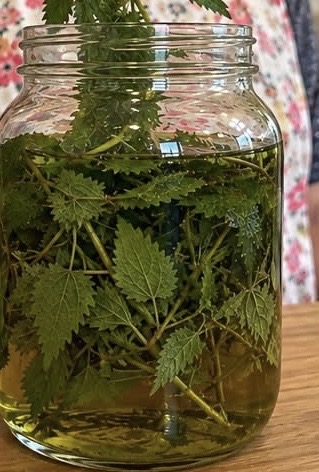
Stinging nettle tea is a traditional herbal infusion made from the leaves of Urtica dioica, a plant commonly known as stinging nettle. It has been used in traditional herbal practices for generations and is appreciated for its earthy flavor and naturally occurring plant compounds.
This simple recipe combines nettle leaves with hot water to create a warm, comforting beverage. You can enjoy it plain or add a little honey, lemon, or fresh mint to adjust the flavor.
Although nettle leaves contain minerals and other plant compounds, it is important to distinguish traditional uses from proven medical benefits. Nettle tea has not been shown to dissolve thyroid enlargement, eliminate cysts, or make a lump in the neck disappear within minutes.
Important health warning: If you notice a lump or swelling in your neck, seek medical evaluation rather than relying on an herbal remedy. Seek urgent medical care if the swelling causes difficulty breathing or swallowing.
Recipe Overview
| Recipe Detail | Information |
| Recipe Name | Stinging Nettle Tea |
| Preparation Time | 5 minutes |
| Cooking Time | 5–10 minutes |
| Total Time | 10–15 minutes |
| Servings | 1 |
| Cuisine | Traditional Herbal Beverage |
| Main Ingredient | Stinging nettle leaves |
| Difficulty | Easy |
| Flavor | Earthy and herbaceous |
| Serving Temperature | Warm |
Why You’ll Love This Recipe
Simple Ingredients: This infusion requires only nettle leaves and water, making it easy to prepare at home.
Naturally Caffeine-Free: Pure nettle tea does not naturally contain caffeine, making it an alternative to traditional caffeinated beverages.
Easy to Customize: Honey, lemon, or mint can be added to create a flavor that suits your preferences.
A Traditional Herbal Beverage: Nettle has a long history of culinary and traditional herbal use, especially in regions where the plant grows naturally.
Quick Preparation: You can prepare a fresh cup in approximately 15 minutes without specialized equipment.
Ingredients
For the Nettle Tea
| Ingredient | Quantity |
| Fresh stinging nettle leaves, correctly identified and prepared | 1 cup |
| Water | 2 cups (480 ml) |
Optional Add-Ins
| Ingredient | Quantity | Purpose |
| Honey | 1 teaspoon | Adds sweetness |
| Fresh lemon juice | 1–2 teaspoons | Adds a refreshing citrus flavor |
| Fresh mint leaves | 2–3 leaves | Creates a lighter herbal flavor |
Important: Fresh nettles can sting when handled. Wear protective gloves when collecting or preparing raw leaves. Use only correctly identified nettle from a clean, uncontaminated source. Dried nettle sold for food or herbal tea is a convenient alternative.
Step-by-Step Instructions
Step 1: Prepare the Nettle Leaves
If you are using fresh nettle leaves, put on protective gloves before handling them.
Inspect the leaves and remove any damaged or discolored pieces. Rinse them carefully under clean running water.
If you prefer a more convenient option, use dried nettle leaves intended for preparing herbal tea.
Step 2: Bring the Water to a Boil
Pour 2 cups (480 ml) of water into a small saucepan.
Heat the water over medium-high heat until it reaches a rolling boil.
Step 3: Add the Nettle Leaves
Carefully add the prepared nettle leaves to the hot water.
Reduce the heat and allow the mixture to simmer gently for approximately 5–10 minutes.
For dried nettle, follow the package instructions when available, as the recommended quantity and steeping time may differ between products.
Step 4: Allow the Tea to Infuse
Remove the saucepan from the heat and let the infusion stand for a few minutes.
This allows the water to take on the plant’s earthy flavor. Avoid handling raw nettle leaves with bare hands.
Step 5: Strain the Tea
Pour the infusion through a fine-mesh strainer into a heat-resistant cup.
Discard the plant material. Do not consume the leaves unless they have been prepared specifically for safe culinary use.
Proper heating and preparation deactivate the plant’s stinging hairs, but the leaves should still be handled carefully before cooking.
Step 6: Add Optional Flavorings
Allow the tea to cool to a comfortable drinking temperature.
Add a teaspoon of honey, a little lemon juice, or a few mint leaves if desired.
Stir gently and enjoy your freshly prepared nettle tea.
Best Tips for Success
Use Properly Identified Nettle: Never consume a wild plant unless you are certain of its identity and that it has been collected from a safe location.
Wear Gloves: Fresh stinging nettles can irritate the skin before they are cooked.
Avoid Excessive Simmering: Follow the recommended preparation time or the instructions on your dried nettle package to maintain a pleasant flavor.
Start With a Small Serving: If you have never consumed nettle tea before, begin with a modest amount to assess your tolerance.
Choose Safe Water: Use potable water and clean utensils to prepare the infusion.
Drink It for Enjoyment, Not as a Cure: Nettle tea should not be relied upon to treat thyroid conditions, neck lumps, cysts, or other medical problems.
Best Ingredient Options
Fresh Nettle Leaves: These provide a traditional, earthy infusion but require careful handling and thorough preparation.
Dried Nettle Leaves: Food-grade dried nettle is convenient, easier to store, and generally simpler to measure.
Filtered Water: Clean drinking water allows the natural flavor of the leaves to come through.
Honey: A small amount can soften the earthy taste. Avoid giving honey to children under 12 months of age.
Lemon: Fresh lemon juice adds brightness without requiring much additional sweetness.
Mint: Fresh mint can provide a refreshing aroma and flavor.
Recipe Variations
Lemon and Nettle Tea
Prepare the basic infusion and add a teaspoon of fresh lemon juice after straining. This version has a brighter, more refreshing flavor.
Honey-Sweetened Nettle Tea
Stir a small amount of honey into the warm tea. Allow the infusion to cool slightly before adding the honey.
Mint and Nettle Infusion
Add a few fresh mint leaves during the final minutes of steeping. Strain before serving.
Chilled Nettle Tea
Prepare the tea as directed, strain it, and refrigerate it promptly in a clean, covered container. Serve chilled with lemon if desired. Refrigerate leftovers and consume them promptly.
What to Serve With Stinging Nettle Tea
Whole-Grain Toast: A slice of toast makes a simple accompaniment for a light breakfast.
Fresh Fruit: Apples, pears, or berries complement the herbal flavor.
Oatmeal: A bowl of oatmeal pairs well with a warm, caffeine-free drink.
Light Snacks: Plain crackers or a small handful of unsalted nuts can accompany the tea.
Lemon Water: If you prefer a lighter beverage, alternate your tea with ordinary drinking water throughout the day.
Make-Ahead Instructions
For the freshest flavor, prepare nettle tea shortly before drinking it.
If you need to prepare it ahead of time, allow the strained tea to cool and refrigerate it promptly in a clean, covered container. Avoid leaving the infusion at room temperature for extended periods.
Add honey, lemon, or mint immediately before serving for the best flavor.
Storage
Store leftover nettle tea in a clean, covered container in the refrigerator and use it within 24 hours as a cautious household practice.
Discard the tea if it has been left out for an extended period or shows any unusual changes. Do not store the prepared infusion at room temperature for several days.
Dried nettle leaves should be stored according to the package instructions in a cool, dry place.
Reheating
If you prefer your tea warm, gently reheat the refrigerated infusion in a small saucepan until hot.
Avoid repeated heating and cooling. You can also drink the tea cold if it has been refrigerated safely.
Freezing
Freezing is generally unnecessary for such a quick recipe. However, if you have prepared extra tea, you can freeze it in a clean, freezer-safe container.
Leave space for expansion and label the container with the preparation date. Thaw it in the refrigerator and use it promptly.
The flavor may change slightly after freezing, so preparing a fresh cup is usually the best option.
Common Mistakes to Avoid
Handling Fresh Nettles Without Gloves: Raw nettles can cause stinging and skin irritation. Protect your hands during preparation.
Using an Unidentified Wild Plant: Do not consume a plant based solely on an online photograph or an uncertain identification.
Assuming More Is Better: Drinking larger quantities does not necessarily improve any health outcome and may increase the risk of unwanted effects.
Ignoring Medication Interactions: Nettle products may interact with certain medications or affect fluid balance and blood sugar. Ask a healthcare professional whether they are appropriate for you.
Using Nettle Tea to Treat a Neck Lump: No herbal infusion has been shown to eliminate a goiter, thyroid nodule, cyst, or other neck mass within 30 minutes.
Keeping Tea at Room Temperature: Herbal infusions can support microbial growth if stored improperly. Refrigerate leftovers promptly.
Nutrition Estimate
The following estimates apply to one cup of plain nettle tea made from the ingredients listed above. Actual values depend on the nettle product and how much of its compounds transfer into the water.
| Nutrient | Approximate Amount |
| Calories | 0–5 kcal |
| Protein | Less than 1 g |
| Carbohydrates | Less than 1 g |
| Fat | 0 g |
| Sugar | 0 g |
| Caffeine | 0 mg |
Adding honey will increase the calorie and sugar content. These estimates do not represent the nutritional content of eating the nettle leaves themselves.
Frequently Asked Questions
What is stinging nettle tea?
Stinging nettle tea is an herbal infusion prepared from the leaves of Urtica dioica. It has a mild, earthy flavor and is traditionally consumed as a beverage.
Can nettle tea make a neck lump disappear?
No. There is no reliable scientific evidence that nettle tea can dissolve a neck lump, thyroid enlargement, goiter, or cyst. A new or persistent neck lump should be assessed by a healthcare professional.
Does nettle tea help hair growth?
There is insufficient high-quality clinical evidence to conclude that drinking nettle tea promotes hair growth or prevents hair loss. Persistent hair loss may require a medical evaluation.
Can I drink nettle tea every day?
There is no universally appropriate amount for everyone. Safety depends on your health, medications, the product, and the quantity consumed. Ask a healthcare professional before regular use, especially if you have a chronic condition.
Is nettle tea caffeine-free?
Pure nettle tea is naturally caffeine-free. However, check the ingredient label if you purchase a blend containing black tea, green tea, or other caffeinated ingredients.
Can pregnant women drink nettle tea?
Pregnant or breastfeeding individuals should consult a qualified healthcare professional before using nettle products medicinally. Safety depends on the preparation and circumstances.
Can nettle tea interact with medications?
Potential interactions may be relevant for people taking medicines that affect blood pressure, blood sugar, kidney function, or fluid balance. Consult a pharmacist or healthcare professional before using nettle regularly.
How long should nettle tea steep?
For this recipe, simmer the fresh leaves gently for 5–10 minutes. If using a packaged dried product, follow its specific preparation instructions.
Is fresh or dried nettle better?
Both can be used to prepare an infusion. Dried, food-grade nettle is often more convenient, while fresh nettles require careful identification and protective handling.
Final Thoughts
Stinging nettle tea is a simple traditional herbal beverage that can be prepared with a few ingredients and enjoyed warm or chilled. Its earthy flavor pairs well with lemon, mint, or a little honey.
Although nettle contains naturally occurring plant compounds, it should not be promoted as a miracle remedy or a proven treatment for serious health conditions.
⚠️ Important Medical Warning: No plant or natural infusion can be relied upon to make a neck mass, goiter, or cyst disappear in 30 minutes. A lump or swelling in the neck requires appropriate medical assessment. Seek emergency care if it causes difficulty breathing or swallowing.
Enjoy herbal tea as a beverage, and consult a qualified healthcare professional whenever you have concerns about a symptom or the safety of an herbal product.