
Introduction
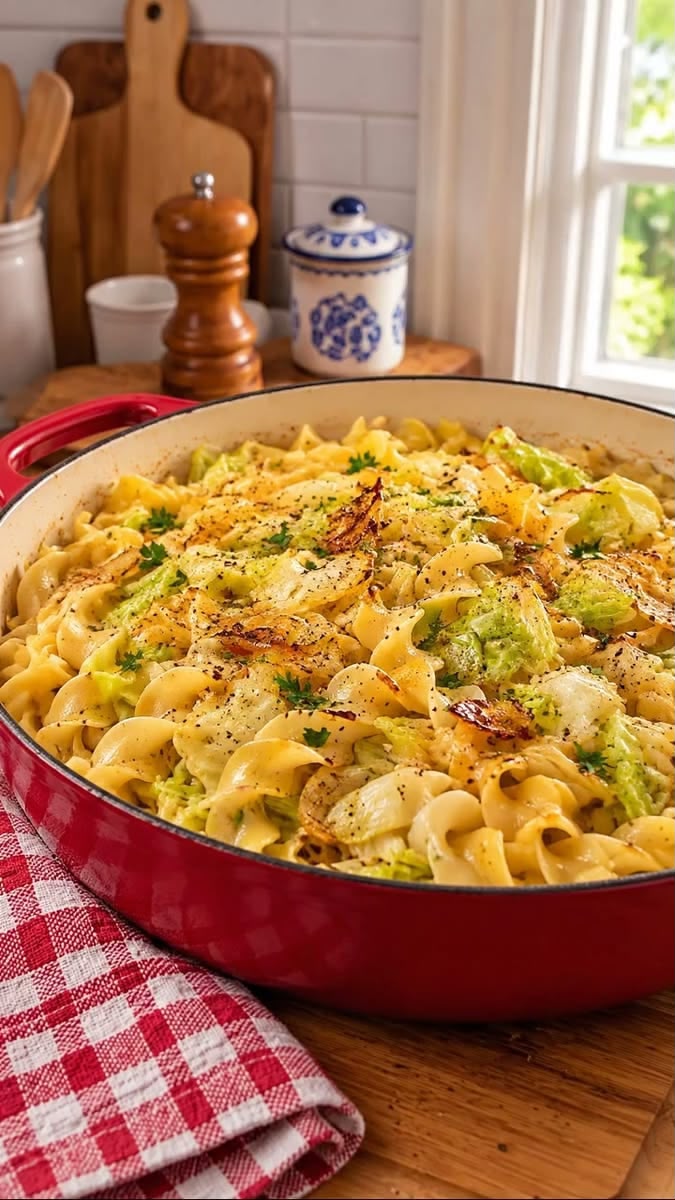
If you love simple, hearty comfort food, this Traditional Haluski Recipe is a dish you’ll want to make again and again. Made with tender egg noodles, buttery fried cabbage, and sweet caramelized onions, this classic Eastern European meal is packed with homemade flavor.
Haluski is especially popular in Polish, Slovak, and other Eastern European cooking traditions. It combines inexpensive pantry ingredients into a satisfying meal that’s perfect for busy weeknights, family dinners, or a cozy weekend lunch.
The cabbage becomes tender and slightly golden, while the egg noodles soak up the delicious buttery flavor. Every bite offers a wonderful combination of soft textures and lightly crispy edges.
Whether you’re searching for easy cabbage recipes, budget-friendly family meals, or traditional homemade comfort food, this authentic-style Haluski is a delicious addition to your recipe collection.
Recipe Overview
| Details | Information |
| Prep Time | 15 minutes |
| Cook Time | 30 minutes |
| Total Time | 45 minutes |
| Servings | 4–6 |
| Course | Main Course / Side Dish |
| Cuisine | Eastern European |
| Cooking Method | Stovetop |
| Difficulty | Easy |
| Calories | Approximately 380 per serving |
Why You’ll Love This Recipe
This homemade Haluski is made with affordable ingredients that are easy to find at almost any grocery store. You don’t need complicated cooking techniques or expensive equipment to create a satisfying meal.
The combination of buttery cabbage, caramelized onions, and tender egg noodles creates an irresistible flavor. The noodles become slightly crispy in places while remaining soft and delicious inside.
It’s also a versatile recipe that works beautifully as a vegetarian main course or a comforting side dish alongside roasted chicken, grilled beef, or other favorite proteins.
Ingredients
| Ingredient | Quantity |
| Wide egg noodles | 8 oz (225 g) |
| Green cabbage, cored and sliced | 1 small head (about 1½–2 lb) |
| Medium yellow onions, thinly sliced | 2 |
| Unsalted butter, divided | 5 tablespoons (70 g) |
| Canola or vegetable oil | 1 tablespoon |
| Water | 3 tablespoons |
| Salt | To taste |
| Black pepper | To taste |
| Sweet or smoked paprika | ¼ teaspoon |
Optional Protein Addition
| Ingredient | Quantity |
| Beef kielbasa or halal smoked beef sausage, sliced | 10–12 oz (280–340 g) |
Step-by-Step Instructions
Step 1: Cook the Egg Noodles
Bring a large pot of salted water to a boil. Add the egg noodles and cook according to the package instructions until al dente, usually 6–8 minutes.
Drain the noodles thoroughly and set aside. Avoid overcooking because they will be fried again with the cabbage.
Step 2: Sauté the Onions
Heat a large deep skillet or Dutch oven over medium heat. Add the cooking oil and 3 tablespoons of butter.
Add the sliced onions and cook for approximately 8–10 minutes, stirring occasionally, until softened and lightly golden.
Allowing the onions to caramelize slightly develops a naturally sweet flavor that makes traditional Haluski especially delicious.
Step 3: Cook the Cabbage
Add the sliced cabbage to the skillet and toss well with the onions.
Pour in 3 tablespoons of water and stir to combine. Reduce the heat to medium-low and cover the skillet.
Cook for approximately 10–12 minutes, stirring occasionally, until the cabbage is tender but still holds its shape.
If you prefer softer cabbage, cook for another 3–5 minutes.
Step 4: Add Butter and Egg Noodles
Remove the lid and add the remaining 2 tablespoons of butter.
Add the cooked egg noodles and gently toss everything together until the noodles are evenly coated with the buttery cabbage and onion mixture.
If using halal beef kielbasa or smoked beef sausage, add the sliced sausage at this stage and mix well.
Step 5: Fry Until Golden
Increase the heat to medium and cook uncovered for another 8–10 minutes.
Toss the mixture frequently to prevent sticking and encourage light golden-brown edges on the noodles and cabbage.
For extra crispy noodles, allow portions of the mixture to sit undisturbed in the skillet for 1–2 minutes before tossing.
Step 6: Season and Serve
Remove the skillet from the heat.
Season with salt and freshly ground black pepper to taste. Sprinkle with sweet or smoked paprika for additional color and flavor.
Serve immediately while warm, buttery, and delicious.
Best Tips
For the best Haluski, use fresh green cabbage and wide egg noodles. These ingredients create the traditional texture and flavor that make this Eastern European comfort food so popular.
Avoid overcrowding the skillet. If you’re preparing a larger batch, cook the mixture in two portions to encourage browning instead of steaming.
Don’t rush the onions. Cooking them slowly until lightly golden adds natural sweetness and gives the entire dish a deeper flavor.
For delicious crispy edges, make sure the noodles are well drained before adding them to the cabbage. Excess moisture can prevent proper browning.
Best Ingredient Options
Egg Noodles: Wide egg noodles are the traditional choice because they have a soft, tender texture that pairs beautifully with fried cabbage. Medium egg noodles are also suitable.
Green Cabbage: Fresh green cabbage provides the classic Haluski flavor. Savoy cabbage can also be used for a slightly softer texture.
Butter: Unsalted butter gives the dish its rich, traditional taste. You can use salted butter, but adjust the additional salt accordingly.
Onions: Yellow onions are ideal because they become sweet and tender when cooked. White onions can also work.
Cooking Oil: Canola, sunflower, or vegetable oil works well because these oils tolerate medium cooking temperatures.
Smoked Beef Sausage: For a heartier halal-friendly version, use beef kielbasa or smoked beef sausage instead of pork-based sausage.
Recipe Variations
For a heartier dinner, add sliced halal beef sausage and allow it to brown slightly before combining it with the cabbage and noodles. This creates a satisfying one-pan meal with extra protein.
If you enjoy a little heat, add red pepper flakes, cayenne pepper, or extra smoked paprika. These seasonings give the buttery cabbage a delicious savory kick.
For a vegetarian version, simply leave out the sausage. The combination of cabbage, onions, butter, and egg noodles is flavorful enough on its own.
You can also add sliced mushrooms, shredded carrots, or minced garlic for additional flavor and texture.
For a richer finish, sprinkle freshly grated Parmesan cheese over the warm noodles just before serving.
What to Serve With
Haluski is delicious on its own, but it also pairs wonderfully with roasted chicken, grilled beef, baked chicken thighs, or homemade beef meatballs.
For a lighter meal, serve it alongside a fresh cucumber salad, steamed green beans, roasted carrots, or sautéed vegetables.
If you’re preparing a traditional family-style dinner, add warm bread and a simple vegetable side dish to complete the meal.
Make-Ahead Instructions
You can prepare several ingredients ahead of time to make dinner easier.
Slice the cabbage and onions up to 24 hours in advance and store them separately in airtight containers in the refrigerator.
You can also cook the egg noodles a few hours ahead. Drain them well, toss with a small amount of oil to prevent sticking, and refrigerate until needed.
For the best texture and flavor, fry the cabbage, onions, and noodles together shortly before serving.
Storage
Allow leftover Haluski to cool before transferring it to an airtight food storage container.
Refrigerate for up to 3–4 days at 40°F (4°C) or below.
Keep the dish properly covered to maintain its flavor and prevent it from absorbing odors from other refrigerated foods.
Reheating
Skillet Method: Heat a little butter or oil in a skillet over medium-low heat. Add the leftover Haluski and stir occasionally for approximately 5–8 minutes until thoroughly heated.
Microwave Method: Transfer a portion to a microwave-safe dish and cover loosely. Heat in 30–60 second intervals, stirring between intervals, until hot.
The skillet method is recommended because it helps restore the slightly crispy texture of the fried noodles and cabbage.
Freezing
Haluski can be frozen, although the cabbage and egg noodles may become softer after thawing.
Allow the dish to cool completely before dividing it into freezer-safe airtight containers.
Freeze for up to 2 months for the best quality.
Thaw overnight in the refrigerator before reheating in a skillet with a little butter.
Common Mistakes to Avoid
Overcooking the Egg Noodles: Cook the noodles only until al dente. They will continue cooking when added to the skillet, so overcooking them initially can make the final dish mushy.
Cutting the Cabbage Too Thick: Large cabbage pieces take longer to cook and can create an uneven texture. Slice the cabbage into relatively thin strips for consistent results.
Cooking the Onions Too Quickly: High heat can burn the onions before they become sweet and tender. Medium heat is ideal for developing their flavor.
Adding Too Much Water: Only a small amount of water is needed to help soften the cabbage. Too much liquid can make the noodles soggy.
Overcrowding the Skillet: Too many ingredients in one pan can prevent the noodles from browning properly. Use a large skillet or cook in batches.
Not Seasoning Properly: Cabbage and egg noodles need enough salt and pepper to bring out their natural flavors. Taste the dish before serving and adjust the seasoning.
Nutrition Estimate
The following nutritional information is approximate and based on 6 servings without the optional beef sausage.
| Nutrient | Amount Per Serving |
| Calories | 380 kcal |
| Total Fat | 14 g |
| Saturated Fat | 8 g |
| Cholesterol | 55 mg |
| Sodium | 350 mg |
| Total Carbohydrates | 55 g |
| Dietary Fiber | 5 g |
| Total Sugars | 7 g |
| Protein | 10 g |
Nutritional values vary depending on the ingredients and brands used.
Frequently Asked Questions
1. What is Haluski?
Haluski is a traditional Eastern European comfort food commonly prepared with egg noodles, fried cabbage, onions, and butter. Different families and regions have their own variations.
2. Is Haluski Polish food?
Haluski is particularly associated with Polish and Slovak cooking traditions, although similar cabbage-and-noodle dishes are enjoyed in several Central and Eastern European communities.
3. Can I make Haluski without egg noodles?
Yes. You can use another pasta shape, such as bow-tie pasta, wide ribbon pasta, or small shells. However, wide egg noodles provide the most traditional texture.
4. Can I add beef sausage to Haluski?
Absolutely. Sliced halal beef kielbasa or smoked beef sausage is an excellent addition. Brown it lightly before mixing it with the cabbage and noodles for extra flavor.
5. How do I make Haluski crispy?
Make sure the noodles are thoroughly drained and use a large skillet. Cook over medium heat, allowing some of the noodles and cabbage to develop golden-brown edges.
6. Can I make this recipe vegetarian?
Yes. Simply omit the optional beef sausage. Check that your egg noodles are suitable for your dietary preferences, and enjoy the traditional cabbage-and-noodle combination.
7. What type of cabbage works best?
Green cabbage is the best choice for classic Haluski. It becomes tender and slightly sweet when cooked with butter and onions.
8. Can I prepare Haluski in advance?
Yes. You can slice the vegetables and cook the noodles ahead of time. For the freshest flavor and best texture, combine and fry everything just before serving.
9. How long does homemade Haluski last in the refrigerator?
When stored in an airtight container, leftover Haluski generally keeps for 3–4 days in the refrigerator.
10. Can I use olive oil instead of butter?
You can replace some or all of the butter with olive oil, but the flavor will be different. Butter is an important ingredient in traditional-style Haluski because it gives the cabbage and noodles their rich, savory taste.
Final Thoughts
This Traditional Haluski Recipe proves that simple ingredients can create an incredibly satisfying homemade meal. Tender egg noodles, buttery fried cabbage, and sweet golden onions come together to create a comforting dish that everyone can enjoy.
It’s affordable, easy to customize, and perfect for family dinners, busy weeknights, and meal preparation.
Whether you serve it as a vegetarian main course or add delicious smoked beef sausage for extra protein, this homemade cabbage and noodles recipe is a wonderful way to bring traditional Eastern European comfort food to your table.
Give it a try, save it for your next family dinner, and enjoy every buttery bite!