
Traditional Kalanchoë Leaf Tea: Preparation, Traditional Uses, Safety, and Important Health Precautions
Introduction
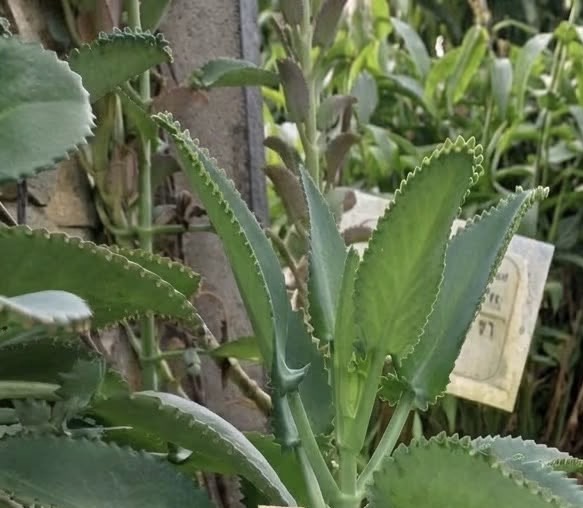
Kalanchoë pinnata, also known as the miracle leaf, life plant, or cathedral bells, is a succulent plant traditionally used in various herbal practices around the world. Its thick, fleshy green leaves have attracted attention in traditional wellness practices, particularly in discussions about natural remedies, medicinal plants, and herbal preparations.
One traditional preparation involves steeping or simmering fresh Kalanchoë leaves in hot water to produce an herbal infusion. This preparation is sometimes discussed in connection with digestive wellness, liver health, blood circulation, and general well-being.
However, natural ingredients are not automatically safe. Kalanchoë species may contain biologically active compounds, including bufadienolides, which can potentially affect the heart. There is insufficient reliable clinical evidence to establish a safe or effective dose for drinking this infusion.
This guide explains the traditional preparation, the ingredients historically used, important safety considerations, and what to know before considering any herbal remedy.
Recipe Overview
| Category | Details |
| Recipe Name | Traditional Kalanchoë Leaf Infusion |
| Main Ingredient | Fresh Kalanchoë pinnata leaves |
| Preparation Style | Traditional herbal infusion |
| Preparation Time | 5 minutes |
| Heating Time | 5–10 minutes |
| Total Time | 10–15 minutes |
| Traditional Preparation | Hot-water infusion |
| Safety Level | Potential toxicity; oral use not recommended without medical advice |
Why You’ll Learn About This Traditional Herbal Preparation
Kalanchoë pinnata is an interesting plant in traditional herbal medicine because of its long history of use in different cultures. Learning about its traditional preparation can help readers understand how medicinal plants have been used historically and why scientific safety assessments are important.
Another important reason to understand this plant is that herbal remedies can contain powerful natural chemicals. Knowing the possible risks, contraindications, and interactions is essential before using any plant for health purposes.
Ingredients
The following ingredients describe a traditional preparation for educational purposes only. They should not be interpreted as a recommended recipe for drinking.
| Ingredient | Traditional Amount | Purpose |
| Fresh Kalanchoë pinnata leaves | 1–2 leaves | Traditional botanical ingredient |
| Clean water | 250–500 ml | Liquid used for preparation |
| Honey | Optional | Traditionally used for flavor |
| Lemon juice | Optional | Adds a citrus flavor |
Step-by-Step Traditional Preparation
Step 1: Identify the Plant
Correct botanical identification is essential. Several Kalanchoë species look similar, but their chemical composition and toxicity may differ. Never consume a plant based only on its appearance or a photograph.
Step 2: Clean the Leaves
In traditional preparations, fresh leaves are washed under clean running water to remove visible dirt and surface impurities.
Step 3: Prepare the Leaves
Traditionally, the leaves may be chopped or lightly crushed before being added to hot water. This allows their plant compounds to enter the liquid.
Step 4: Heat the Water
Water is traditionally brought to a boil in a small saucepan.
Step 5: Prepare the Infusion
The leaves are traditionally simmered for approximately 5–10 minutes before the liquid is strained.
Step 6: Strain the Liquid
The preparation is traditionally passed through a fine strainer to remove the plant material.
Important: These steps describe a traditional preparation method, not a medically approved method of making a safe beverage. Boiling does not reliably eliminate potentially toxic compounds.
Best Tips
Correct plant identification is particularly important when researching herbal remedies. Different species can contain different concentrations of biologically active substances, and visual identification alone is not sufficient to establish safety.
It is also important to remember that herbal teas and natural plant extracts can interact with prescription medications. People taking medication for blood pressure, diabetes, or heart conditions should seek professional medical advice before considering unfamiliar herbal products.
Best Ingredient Options
For general herbal tea alternatives, commonly consumed ingredients such as peppermint, ginger, and chamomile may be considered, depending on individual allergies, medical conditions, and medication interactions.
Kalanchoë should not be substituted into ordinary tea recipes because its potential toxicity makes it different from commonly consumed culinary herbs.
Recipe Variations
Traditional Water Preparation: Fresh leaves and hot water are used in some traditional descriptions of Kalanchoë preparations.
Lemon-Flavored Herbal Tea: Lemon is sometimes added to ordinary herbal teas to create a refreshing citrus flavor. It does not neutralize Kalanchoë toxins.
Honey-Flavored Herbal Tea: Honey can sweeten conventional herbal teas, although it does not make a potentially toxic plant preparation safe.
What to Serve With
For a safer herbal tea experience, consider serving a conventional peppermint or chamomile infusion alongside light snacks such as whole-grain toast, fresh fruit, or homemade oatmeal cookies.
These alternatives provide a more familiar food and beverage option without relying on a potentially toxic plant.
Make-Ahead Instructions
A Kalanchoë infusion should not be prepared in advance for later consumption. Refrigeration does not remove potentially toxic plant compounds.
For ordinary herbal teas, prepare only the quantity needed and follow appropriate food-storage practices.
Storage
Fresh Kalanchoë leaves should be kept away from children and pets because accidental ingestion may cause poisoning.
Do not store an unidentified or potentially toxic plant preparation in an ordinary drinking bottle where someone could mistake it for regular herbal tea.
Reheating
Reheating a Kalanchoë infusion does not make it safe to drink. Heat cannot be relied upon to eliminate its potentially harmful cardiac compounds.
Freezing
Freezing does not reliably destroy bufadienolides or make Kalanchoë preparations safe for consumption.
Common Mistakes to Avoid
Assuming that every medicinal plant is safe simply because it is natural is one of the most important mistakes to avoid. Some plants contain powerful compounds that can produce serious adverse effects.
Another common misconception is believing that increasing the quantity of leaves will improve the health benefits. With potentially toxic plants, higher exposure may increase the risk of poisoning rather than provide additional benefits.
Finally, never use Kalanchoë tea as a replacement for prescribed treatment for high blood pressure, diabetes, fatty liver disease, or cardiovascular conditions.
Nutrition Estimate
| Nutritional Component | Estimated Information |
| Calories | Not established |
| Carbohydrates | Not established |
| Protein | Not established |
| Fat | Not established |
| Fiber | Not established |
| Sugar | Depends on optional sweeteners |
| Safety | Not established for oral consumption |
No reliable nutritional analysis is available for this traditional Kalanchoë preparation.
Frequently Asked Questions
1. What is Kalanchoë pinnata?
Kalanchoë pinnata is a succulent plant traditionally used in various herbal practices. It is also known as the miracle leaf or life plant.
2. Is Kalanchoë tea safe to drink?
Its safety as an oral infusion has not been established. Some Kalanchoë species contain potentially toxic cardiac compounds, so drinking preparations made from the plant is not recommended without specialist medical guidance.
3. Can Kalanchoë tea treat fatty liver?
There is insufficient reliable clinical evidence demonstrating that Kalanchoë tea treats fatty liver disease. Evidence-based dietary changes and medical monitoring are more appropriate.
4. Does Kalanchoë help regulate blood pressure?
There is no sufficient human clinical evidence establishing Kalanchoë as a safe or effective treatment for hypertension.
5. Can people with diabetes drink Kalanchoë tea?
People with diabetes should avoid experimenting with this preparation because its safety, effects on blood glucose, and possible medication interactions are not established.
6. Is Kalanchoë suitable during pregnancy?
It should be avoided during pregnancy and breastfeeding because its safety has not been established.
7. Can boiling remove the toxins from Kalanchoë leaves?
No. Ordinary boiling cannot be assumed to eliminate potentially harmful bufadienolides.
8. What are safer alternatives to Kalanchoë tea?
Depending on personal health circumstances, conventional peppermint, ginger, or chamomile tea may be alternatives. Anyone with medical conditions or taking medication should check suitability with a healthcare professional.
Final Thoughts
Kalanchoë pinnata has an interesting history in traditional herbal medicine, and its leaves have been used in different cultural preparations for generations. However, traditional use does not necessarily demonstrate medical effectiveness or guarantee safety.
Although natural herbal remedies are popular among people interested in holistic wellness, it is essential to distinguish traditional practices from scientifically established treatments. Potentially toxic plant compounds make Kalanchoë particularly important to approach with caution.
For people interested in liver health, blood sugar management, healthy circulation, and cardiovascular wellness, evidence-based nutrition, regular physical activity, and appropriate medical care remain much safer approaches.
⚠️ This recipe may not be suitable for everyone, so it is advisable to consult a doctor.