
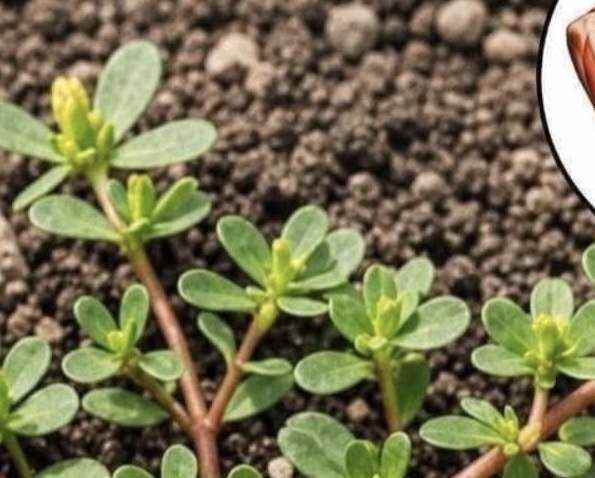
Ultimate Sautéed Purslane with Garlic and Lemon 🌿🧄
Introduction
Purslane (Portulaca oleracea) is a flavorful leafy green that is often overlooked despite its culinary versatility. Its tender leaves and succulent stems have a mildly tangy flavor that works beautifully with garlic, lemon, and extra virgin olive oil.
This easy sautéed purslane recipe transforms fresh greens into a warm Mediterranean-inspired side dish in just 15 minutes.
With simple ingredients, minimal preparation, and no complicated cooking techniques, it is an excellent addition to healthy meal planning, vegetable-based meals, and quick homemade dinners.
Recipe Overview
| Recipe Details | Measurement |
| Prep Time | 10 minutes |
| Cook Time | 5 minutes |
| Total Time | 15 minutes |
| Yield | 2 servings |
| Course | Side Dish |
| Cuisine | Mediterranean / Global |
| Difficulty | Easy |
Why You’ll Love This Recipe
This sautéed purslane recipe is quick, flavorful, and incredibly easy to prepare. The slightly tangy flavor of fresh purslane pairs naturally with fragrant garlic, fruity olive oil, and fresh lemon juice.
The entire recipe requires only a handful of everyday ingredients, making it ideal for busy weeknight dinners and simple meal preparation.
Unlike complicated vegetable recipes that require lengthy cooking times, purslane needs only a few minutes in the pan to become tender while retaining some of its pleasant texture.
It can also be served alongside grilled chicken, baked fish, roasted vegetables, rice, or other Mediterranean-inspired dishes.
Ingredients
| Ingredient | Quantity | Notes |
| Fresh purslane | 300 g / about 4 cups | Washed thoroughly |
| Extra virgin olive oil | 2 tablespoons / 30 ml | Good-quality olive oil preferred |
| Fresh garlic | 3 cloves | Finely minced |
| Fresh lemon juice | 1 tablespoon / 15 ml | Freshly squeezed |
| Sea salt | ½ teaspoon | Adjust to taste |
| Black pepper | ¼ teaspoon | Freshly cracked |
Step-by-Step Instructions
Prepare the Greens
Wash the purslane thoroughly under cool running water to remove soil and debris.
Remove any thick, tough lower stems and keep the leaves and tender upper stems.
Pat the purslane completely dry using a clean kitchen towel or salad spinner.
Cut the leaves and tender stems into approximately 5 cm (2-inch) pieces.
Heat the Olive Oil
Place a large skillet over medium heat.
Add the extra virgin olive oil and allow it to warm for approximately 30 seconds.
Avoid overheating the oil. You want it warm enough to gently sauté the garlic without burning it.
Sauté the Garlic
Add the minced garlic to the skillet.
Cook for approximately 30–45 seconds, stirring constantly.
The garlic should become fragrant and lightly golden, but it should not turn dark brown or burn.
Add the Purslane
Carefully add the prepared purslane to the skillet.
At first, the pan may look very full, but the greens will quickly reduce as they cook.
Toss the purslane with the garlic and olive oil using kitchen tongs or a wooden spoon.
Cook the Greens
Continue cooking over medium heat for approximately 3–4 minutes.
Stir occasionally so the purslane cooks evenly.
The leaves should become tender while the stems retain a slight bite.
Avoid overcooking because excessive cooking can make the greens overly soft.
Add Lemon and Seasoning
Remove the skillet from the heat.
Add the fresh lemon juice, sea salt, and freshly cracked black pepper.
Toss everything together until the seasoning is evenly distributed.
Taste and adjust the lemon juice or salt if necessary.
Serve
Transfer the sautéed purslane to a serving dish.
Serve immediately while warm.
For an attractive presentation, finish with an additional squeeze of fresh lemon juice and a small drizzle of extra virgin olive oil.
Best Tips
Thoroughly washing the purslane is important, especially when using freshly harvested greens. Remove all visible soil before cooking.
Dry the greens well after washing. Excess water can cause the oil to splatter when the purslane is added to the hot skillet.
Keep the garlic lightly golden rather than dark brown. Burnt garlic can become bitter and overpower the delicate flavor of the greens.
Do not overcrowd a very small skillet. A wide pan allows the purslane to cook more evenly.
Add the lemon juice at the end of cooking. This preserves its fresh, bright flavor.
If you are harvesting purslane yourself, make sure the plant has been correctly identified and comes from an uncontaminated area that has not been exposed to pesticides, herbicides, roadside pollution, or other chemicals.
Best Ingredient Options
Fresh Purslane: Choose vibrant green leaves with firm, tender stems. Avoid greens that appear excessively wilted, slimy, or discolored.
Extra Virgin Olive Oil: A fruity, good-quality olive oil provides the foundation of the dish and complements the lemon and garlic.
Garlic: Fresh garlic cloves provide much better flavor than pre-minced garlic for this recipe.
Lemon: Freshly squeezed lemon juice gives the finished dish a clean and bright flavor.
Sea Salt: Fine sea salt dissolves quickly and allows you to season the greens evenly.
Black Pepper: Freshly cracked black pepper provides a subtle peppery contrast.
Recipe Variations
Sautéed Purslane with Tomatoes
Add 1 cup of halved cherry tomatoes during the final 2 minutes of cooking for extra sweetness and color.
Spicy Garlic Purslane
Add ¼ teaspoon of red pepper flakes together with the garlic for a gentle spicy kick.
Purslane with Onions
Thinly slice ½ small onion and sauté it for 2–3 minutes before adding the garlic and purslane.
Mediterranean Purslane
Add chopped fresh parsley, a few sliced olives, and a small amount of crumbled feta before serving.
Purslane with Chickpeas
Add approximately 1 cup of cooked chickpeas during the final few minutes to turn the side dish into a more substantial plant-based meal.
Nutty Purslane
Sprinkle toasted walnuts, almonds, or sunflower seeds over the finished dish for additional texture.
What to Serve With
Sautéed purslane makes a versatile vegetable side dish for many different meals.
Serve it with grilled chicken, baked fish, roasted potatoes, or steamed rice for a simple balanced dinner.
It also pairs beautifully with lentils, chickpeas, quinoa, couscous, and other plant-based protein options.
For a Mediterranean-inspired meal, serve the purslane with grilled vegetables, hummus, warm flatbread, and a fresh tomato salad.
The lemon and garlic flavors also make this dish an excellent accompaniment to roasted meats and hearty grain bowls.
Make-Ahead Instructions
For the best texture, sautéed purslane is best prepared shortly before serving.
However, you can wash, trim, and dry the purslane several hours in advance.
Store the prepared greens in an airtight container lined with a clean paper towel and refrigerate.
The garlic can also be minced ahead of time and stored separately in the refrigerator.
When ready to cook, simply follow the recipe and sauté the ingredients fresh.
Storage
Allow leftovers to cool before transferring them to an airtight food-safe container.
Refrigerate within approximately 2 hours of cooking.
For the best quality, consume refrigerated leftovers within 2–3 days.
The texture may become softer after refrigeration, but the dish can still be reheated gently.
Reheating
Place the leftover purslane in a skillet over medium-low heat.
Add a small splash of water or approximately 1 teaspoon of olive oil if the greens appear dry.
Heat for 2–3 minutes, stirring occasionally, until warmed through.
Avoid prolonged heating because it can make the purslane excessively soft.
You can also reheat it briefly in a microwave-safe container, using short intervals and stirring between each interval.
Freezing
Freezing is possible, but it is not recommended if you want to preserve the original texture.
Fresh leafy greens can become softer after freezing and thawing.
If you decide to freeze the cooked purslane, allow it to cool completely before transferring it to an airtight freezer-safe container.
Use within approximately 1–2 months for the best quality.
Thaw in the refrigerator overnight and reheat gently in a skillet.
Common Mistakes to Avoid
Not Washing the Purslane Properly
Freshly harvested purslane may contain soil or debris. Wash it carefully under running water before preparation.
Leaving Too Much Water on the Greens
Excess water can cause oil to splatter and can dilute the flavor of the finished dish.
Burning the Garlic
Garlic cooks very quickly. Keep the heat at medium and stir frequently to prevent burning.
Overcooking the Purslane
Purslane only needs a few minutes in the skillet. Cooking it for too long can result in an overly soft texture.
Adding Lemon Too Early
Adding lemon at the end keeps the flavor brighter and fresher.
Using an Unidentified Plant
Only consume purslane when you are confident that it has been correctly identified and safely sourced.
Nutrition Estimate
The following nutritional information is an approximate estimate per serving and can vary according to ingredient quantities and brands.
| Nutrient | Approx. Per Serving |
| Calories | 150 kcal |
| Protein | 3 g |
| Carbohydrates | 6 g |
| Fiber | 2 g |
| Fat | 13 g |
| Saturated Fat | 2 g |
| Sodium | 600 mg* |
| Sugar | 2 g |
*The sodium content will vary depending on how much salt is used.
Frequently Asked Questions
What is purslane?
Purslane is a succulent edible plant scientifically known as Portulaca oleracea. It has small fleshy leaves and tender stems and is used in a variety of traditional dishes.
Can purslane be cooked?
Yes. Purslane can be sautéed, added to soups and stews, incorporated into omelets, or enjoyed raw in salads.
Does purslane need to be boiled before sautéing?
No. Thoroughly washed and dried purslane can be added directly to the skillet.
How long should purslane be cooked?
For this recipe, approximately 3–4 minutes is usually enough to make the greens tender while preserving some texture.
Can I use frozen purslane?
Fresh purslane is preferable for this particular recipe. Frozen purslane may have a softer texture after thawing.
Can I add other vegetables?
Absolutely. Cherry tomatoes, onions, bell peppers, mushrooms, or zucchini can be added to create a more substantial vegetable dish.
Is this recipe vegan?
Yes. The basic recipe contains only plant-based ingredients.
Can I make this recipe ahead of time?
Yes, although freshly sautéed purslane has the best texture. You can prepare the greens in advance and cook them just before serving.
How should I clean wild purslane?
Wash it thoroughly under running water and remove soil and debris. Only use wild purslane that has been positively identified and harvested from a clean, uncontaminated location.
Final Thoughts
This easy sautéed purslane recipe is a delicious way to bring more variety to your vegetable-based meals.
With fresh purslane, garlic, extra virgin olive oil, lemon juice, salt, and black pepper, you can create a flavorful Mediterranean-inspired side dish in approximately 15 minutes.
Its simple preparation makes it suitable for busy weeknight dinners, healthy meal planning, vegetarian menus, and homemade family meals.
For the best results, use fresh ingredients, dry the purslane thoroughly, avoid burning the garlic, and serve the dish immediately after cooking.
In the last article, write this text for me: ⚠️This recipe may not be suitable for everyone, so it is advisable to consult a doctor.