
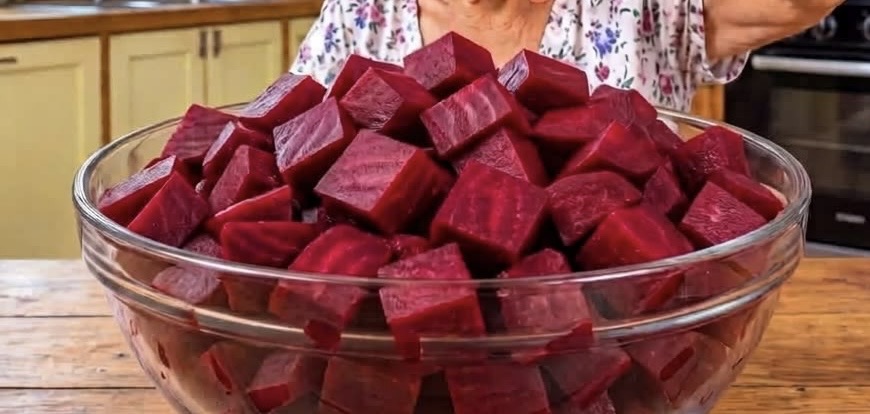
Beetroot, apple, and lemon juice is a refreshing homemade drink with a beautiful ruby-red color, a naturally sweet flavor, and a bright citrus finish. Easy to prepare in just 10 minutes, this colorful beverage is a delicious way to add more fruits and vegetables to your daily routine.
Beetroot provides an earthy flavor and its distinctive deep-red color, while apple adds natural sweetness. Fresh lemon juice balances the flavors, and optional carrots and ginger bring extra freshness and a subtle spicy note.
Whether you enjoy it with breakfast or as an afternoon refreshment, this simple recipe is easy to customize to your taste.
In this complete guide, you’ll discover the ingredients, step-by-step instructions, preparation tips, storage advice, nutritional estimates, and important precautions to know before enjoying this homemade juice regularly.
Recipe Overview
| Details | Information |
| Recipe Name | Beetroot, Apple, and Lemon Juice |
| Preparation Time | 10 minutes |
| Cooking Time | None |
| Total Time | 10 minutes |
| Servings | 2 glasses |
| Difficulty | Easy |
| Method | Blender |
| Flavor | Sweet, earthy, and citrusy |
| Best For | Breakfast or a refreshing snack |
Why You’ll Love This Recipe
This homemade beetroot juice recipe uses simple, everyday ingredients that are easy to find at most grocery stores.
The apple adds natural sweetness, so you generally don’t need extra sugar or artificial sweeteners.
Beetroot contains nutrients such as folate and potassium, along with plant pigments called betalains. Apples and lemons contribute additional plant compounds, and lemons provide vitamin C.
The recipe is also versatile. Add carrots for a milder, naturally sweet flavor or a small piece of fresh ginger for a more aromatic finish.
Best of all, you can prepare it in minutes and adjust the consistency to your preference, whether you enjoy a thick, fiber-rich blend or a smoother, thinner drink.
Ingredients for Homemade Beetroot Juice
The following quantities make approximately two servings, depending on the size of your ingredients and the amount of water you use.
| Ingredient | Quantity | Preparation |
| Beetroot | 2 medium | Peeled and diced |
| Apple | 1 large | Cored and chopped |
| Carrots (optional) | 2 medium | Peeled and sliced |
| Lemon | ½ | Freshly squeezed |
| Fresh ginger (optional) | 1 small piece, 1–2 cm | Peeled |
| Cold water | 1–2 cups (240–480 ml) | Adjust as needed |
| Ice cubes | As desired | Optional |
Tip: Choose a ripe red apple for a sweeter drink or a green apple for a tangier flavor.
Step-by-Step Instructions
Step 1: Prepare the ingredients
Wash the beetroot, apple, carrots, and lemon thoroughly under running water.
Peel the beetroot and carrots, then cut them into small pieces. Remove the apple core and chop the apple into chunks.
If using fresh ginger, peel a small piece and set it aside. Cutting the ingredients into smaller pieces makes blending easier.
You can use raw beetroot for a stronger, earthier flavor or cooked, cooled beetroot for a milder, sweeter taste.
Step 2: Add the ingredients to the blender
Place the diced beetroot, chopped apple, and carrots into your blender.
Add the ginger if you enjoy its slightly spicy flavor.
Pour in about one cup of cold water to begin with. You can add more later if the mixture is too thick.
Step 3: Add the lemon juice
Squeeze half a lemon and pour the fresh juice into the blender.
The lemon adds a bright citrus flavor that balances the sweetness of the apple and the earthy taste of the beetroot.
If you prefer a less acidic drink, start with a smaller amount of lemon juice and adjust it to taste.
Step 4: Blend until smooth
Secure the blender lid and blend for approximately one to two minutes, depending on the power of your appliance.
Continue blending until the ingredients are thoroughly combined and the mixture reaches your preferred consistency.
If the juice is too thick, add a little more water and blend again for a few seconds.
Step 5: Strain if desired
For a thinner drink, pour the mixture through a fine-mesh strainer.
However, you can leave the pulp in the juice if you prefer a thicker texture and want to retain more dietary fiber.
A blender generally retains the fiber unless you strain the mixture, while a juicer typically separates much of the pulp from the liquid.
Step 6: Serve and enjoy
Pour the juice into two glasses and add ice cubes if desired.
For an attractive presentation, garnish each glass with a thin lemon slice or a small apple wedge.
Enjoy the drink freshly prepared for the best flavor and freshness.
Best Tips for Perfect Beetroot Juice
Choose fresh beetroot. Look for firm vegetables without soft spots or signs of spoilage.
Add water gradually. This gives you better control over the thickness of your drink.
Use ginger sparingly. A small piece is usually enough to add flavor without overpowering the apple and beetroot.
Keep the pulp if you want more fiber. An unstrained blended drink generally contains more fiber than a filtered juice.
Use chilled ingredients. Refrigerated apples and a few ice cubes help create a refreshing drink.
Skip unnecessary added sugar. Ripe apples provide natural sweetness, so additional sweeteners are usually unnecessary.
Best Ingredient Substitutions
Raw beetroot creates a more intense, earthy flavor, while cooked beetroot usually tastes milder and sweeter. If using pre-cooked beetroot, choose a plain variety without added salt or seasoning.
Red apples are ideal for a sweeter juice, whereas green apples provide a sharper, more tart flavor.
Carrots are optional, but they pair particularly well with beetroot and apple. They also provide beta-carotene, which the body can convert into vitamin A.
Fresh lemon juice can be partially replaced with lime juice for a different citrus flavor.
Fresh ginger is also optional. Leave it out if you prefer a milder drink.
Cold water works perfectly for this recipe. Alternatively, you can replace some of the water with unsweetened coconut water, although this will change the flavor and nutritional profile.
Recipe Variations
Beetroot and Apple Juice: Use beetroot, apple, lemon, and water for a simple four-ingredient version.
Beetroot, Carrot, and Orange Juice: Replace some of the water with freshly squeezed orange juice for a sweeter, fruitier flavor.
Ginger Beetroot Juice: Add a small piece of fresh ginger for an aromatic, slightly spicy finish.
Fiber-Rich Beetroot Smoothie: Blend all the ingredients and serve without straining to retain more of the pulp.
Coconut Water Beetroot Juice: Substitute some of the water with unsweetened coconut water for a different flavor.
Remember that adding extra fruit can increase the total amount of natural sugar in the drink.
What to Serve With Beetroot Juice
This juice pairs well with a balanced breakfast containing a variety of foods.
Serve it alongside whole-grain toast and eggs, plain yogurt with oatmeal, or a bowl of fresh fruit with a handful of nuts.
For an afternoon snack, enjoy it with a whole-grain sandwich filled with fresh cheese or a slice of toast topped with nut butter.
You do not need to drink this juice on an empty stomach to benefit from its nutrients. Enjoy it at whichever time fits your eating habits.
Make-Ahead Instructions
For the freshest taste, prepare this juice shortly before serving.
If you want to save time, wash, peel, and chop the fruits and vegetables in advance. Store the prepared ingredients in an airtight container in the refrigerator and use them promptly.
You can also divide the ingredients into individual portions and freeze them for future preparation. Keep in mind that the texture may change slightly after thawing.
Storage Instructions
Store leftover juice in a clean, airtight container in the refrigerator at 40°F (4°C) or below.
For best quality and as a conservative precaution, drink homemade juice the same day, preferably within 24 hours. Discard it if its smell, appearance, or taste seems unusual.
Avoid leaving the juice at room temperature for extended periods. The acidity of lemon juice does not guarantee that the drink is free from harmful microorganisms.
Reheating Instructions
This juice does not need reheating.
If it has been refrigerated, gently shake the container or stir the juice before serving because the pulp may settle at the bottom.
Serve chilled and add ice immediately before drinking.
Freezing Instructions
You can freeze the juice in freezer-safe containers, leaving a little room at the top for expansion.
For good quality, aim to use the frozen juice within one month.
Thaw it in the refrigerator and mix thoroughly before serving. Do not refreeze juice that has completely thawed.
Common Mistakes to Avoid
Adding too much beetroot without tasting. Beetroot has a naturally earthy flavor that can become overpowering. Adjust the apple or water to suit your taste.
Adding all the water at once. Start with a smaller amount and gradually increase it until you reach your preferred consistency.
Straining the juice automatically. If you want to retain more fiber, leave the pulp in the drink.
Assuming the juice cures diseases. Although beetroot contains beneficial nutrients, this drink is not a treatment for high cholesterol, arthritis, or other medical conditions.
Preparing large batches for several days. Fresh juice can deteriorate, so it is best to prepare only the amount you expect to consume promptly.
Nutrition Estimate
The following figures are approximate for one serving, assuming the full recipe uses two medium beetroots, one large apple, two carrots, half a lemon, and water. Actual values will vary depending on ingredient size and whether the pulp is retained.
| Nutrient | Approximate amount per serving |
| Calories | 130–160 kcal |
| Carbohydrates | 30–38 g |
| Natural sugars | 20–27 g |
| Fiber | 5–8 g if unstrained |
| Protein | 2–4 g |
| Fat | Less than 1 g |
| Vitamin C | Varies with ingredients |
| Potassium | Varies with ingredients |
These figures are estimates rather than laboratory measurements. Straining the drink can significantly reduce its fiber content. The juice also contains carbohydrates from the fruits and vegetables, which is worth considering if you need to manage your blood glucose.
Frequently Asked Questions
1. What are the benefits of beetroot, apple, and lemon juice?
This juice provides vitamins, minerals, and plant compounds. Beetroot contains natural nitrates that the body can convert into nitric oxide, a substance involved in regulating blood vessels. Research suggests beetroot juice may modestly support blood pressure in some circumstances, but results vary, and it cannot replace medical treatment.
2. Does beetroot juice lower cholesterol?
This drink should not be considered a treatment for high cholesterol. A balanced diet, regular physical activity, and medication when prescribed by a healthcare professional are more reliable ways to manage cholesterol levels.
3. Can this juice help relieve arthritis?
There is insufficient evidence to claim that this particular juice cures or directly relieves arthritis. It can be part of a varied diet, but it should not replace treatments recommended by a healthcare professional.
4. Is it better to drink beetroot juice in the morning?
You can enjoy this juice in the morning, afternoon, or with a meal. There is no established reason that drinking it at a specific time will automatically make it more effective.
5. Can I drink this juice every day?
For many healthy adults, a moderate serving can fit into a varied diet. However, it is also important to eat whole fruits and vegetables, which generally provide more fiber and help promote fullness.
6. Can beetroot change the color of urine?
Yes. Beetroot pigments can sometimes turn urine pink or reddish and may also change stool color. If discoloration persists, occurs without recent beetroot consumption, or is accompanied by pain or other symptoms, seek medical advice.
7. Who should be cautious about drinking this juice?
People with a history of calcium oxalate kidney stones, those who have been advised to limit potassium, and individuals following medically restricted diets should ask a healthcare professional whether this drink is appropriate for them. Beetroot contains oxalates, and its potassium content varies with the ingredients and serving size.
8. Is a blender or juicer better?
A blender allows you to retain the pulp when you do not strain the mixture. A juicer typically separates much of the pulp, producing a thinner drink. Both methods work well; choose according to your preferred texture.
Important Precautions
Although this recipe uses common fruits and vegetables, it may not be suitable for everyone in every quantity.
If you have a chronic medical condition, take medication that requires dietary precautions, or follow a therapeutic diet, consult your doctor or a registered dietitian before making this juice a regular part of your routine.
Do not use this drink to replace complete meals or stop prescribed medication. Social media claims promising rapid cures for diseases should not be confused with scientifically established benefits.
⚠️ This recipe may not be suitable for everyone, so it is advisable to consult a doctor if you have an underlying health condition, dietary restrictions, or concerns about consuming it.
Final Thoughts
Beetroot, apple, and lemon juice is a simple, refreshing homemade drink that combines several fruits and vegetables in just a few minutes. You can customize the ingredients to suit your taste and choose between a thick, fiber-rich blend and a smoother, filtered juice.
Its value lies in adding variety to a balanced diet, not in promising miraculous health results. Enjoy it in moderation, continue eating whole fruits and vegetables, and remember that no juice can replace a healthy overall diet or appropriate medical care when needed.