
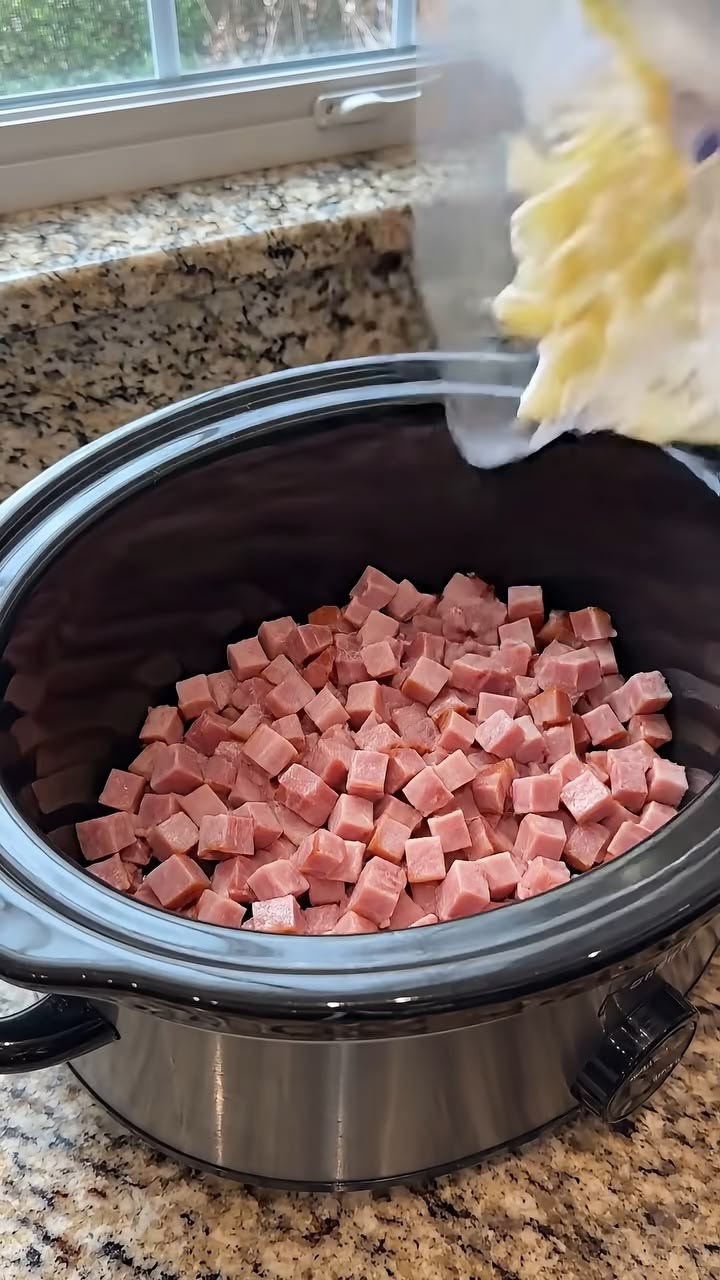
This Creamy Slow Cooker Ham and Potato Soup is the ultimate comfort food for chilly evenings, cozy family dinners, and busy weeknights. Made with tender potatoes, savory diced beef, aromatic garlic, and a rich blend of cream cheese and cheddar, this hearty soup delivers delicious flavor in every spoonful.
The slow cooker makes preparation wonderfully simple. Just combine the main ingredients, let everything cook until the potatoes are tender, and stir in the cheeses near the end for a smooth, creamy finish.
Each bowl is warm, satisfying, and packed with comforting flavors. Serve it with crusty bread, sprinkle extra cheddar on top, and finish with fresh parsley or chives for a homemade meal everyone can enjoy.
Recipe Overview
| Detail | Information |
| Recipe Name | Creamy Slow Cooker Beef and Potato Soup |
| Preparation Time | 15 minutes |
| Cooking Time | 6–8 hours on Low or 3–4 hours on High |
| Final Cheese-Melting Time | 30 minutes |
| Total Time | Approximately 6 hours 45 minutes to 8 hours 45 minutes on Low |
| Servings | 6 |
| Cuisine | American-inspired comfort food |
| Cooking Method | Slow cooker |
| Difficulty | Easy |
| Main Ingredients | Diced beef, potatoes, broth, cream cheese, cheddar |
| Best Served With | Crusty bread or a fresh green salad |
Why You’ll Love This Recipe
Rich and creamy texture: Cream cheese and cheddar melt into the broth to create a smooth, velvety soup that feels comforting and satisfying.
Easy slow cooker preparation: Most of the cooking happens unattended, making this recipe ideal for busy days when you want a warm homemade meal.
Hearty ingredients: Potatoes and tender pieces of beef make this soup filling enough to serve as a complete main course.
Simple pantry staples: Frozen diced potatoes, broth, seasonings, and cheese make preparation convenient without sacrificing flavor.
Perfect for family dinners: This generous soup is easy to serve in large bowls and pairs beautifully with bread or a simple salad.
Easy to customize: You can adjust the seasonings, add vegetables, or use different cheeses to create your preferred version.
Ingredients
For the Soup
| Ingredient | Quantity |
| Cooked diced beef | 450 g (about 3 cups) |
| Frozen diced potatoes or cubed hash browns | 800 g (about 1¾ lb) |
| Yellow onion, finely chopped | 1 medium |
| Garlic, minced | 2 cloves |
| Chicken or vegetable broth | 750 ml (3 cups) |
| Condensed cream of celery or cream of chicken soup | 1 can, approximately 300 ml |
| Black pepper | ½ teaspoon |
| Garlic powder | ½ teaspoon |
| Salt | To taste |
For the Creamy Cheese Finish
| Ingredient | Quantity |
| Cream cheese, softened and cubed | 225 g (8 oz) |
| Shredded cheddar cheese | 150 g (about 1½ cups) |
| Fresh parsley or chives, chopped | Optional, for garnish |
| Extra shredded cheddar | Optional, for serving |
Ingredient note: This version uses cooked diced beef instead of ham. Choose tender, fully cooked beef and cut it into small, evenly sized pieces. If using freshly cooked beef, let it cool slightly before adding it to the slow cooker.
Step-by-Step Instructions
Step 1: Prepare the Ingredients
Finely chop the onion and mince the garlic cloves.
Cut the cooked beef into small cubes if it is not already diced. If using frozen potatoes, keep them frozen until you are ready to assemble the soup.
Allow the cream cheese to soften at room temperature for easier mixing. Cut it into small cubes so it melts more evenly.
Step 2: Add the Main Ingredients to the Slow Cooker
Place the cooked diced beef in the bottom of a 5- to 6-quart slow cooker.
Add the frozen diced potatoes, chopped onion, and minced garlic.
Pour in the chicken or vegetable broth, then add the condensed cream of celery or cream of chicken soup.
Sprinkle in the black pepper and garlic powder. Stir gently to distribute the ingredients.
Hold off on adding much salt until the soup has finished cooking, because the broth, condensed soup, and cheese may already provide plenty of seasoning.
Step 3: Slow Cook the Soup
Cover the slow cooker with its lid.
Choose your preferred cooking setting:
Low: Cook for 6–8 hours.
High: Cook for 3–4 hours.
The soup is ready for the next step when the potatoes are completely tender and the flavors have blended together.
Cooking times vary depending on the slow cooker and the size of the potato pieces. Check toward the shorter end of the suggested cooking time.
Step 4: Add the Cream Cheese
Approximately 30 minutes before the end of cooking, add the softened cream cheese cubes.
Stir gently to distribute the cheese throughout the soup.
Replace the lid and allow the cream cheese to soften and melt into the hot broth.
For an extra-smooth texture, whisk the cream cheese with a small amount of hot broth in a separate bowl before adding it to the slow cooker.
Step 5: Stir in the Cheddar Cheese
Add the shredded cheddar cheese and stir until it melts into the soup.
Keep the slow cooker on Low or its warmest appropriate cooking setting. Avoid allowing the soup to boil vigorously after adding the cheese, as excessive heat can make the texture grainy or cause the dairy to separate.
Continue cooking for approximately 15–30 minutes, stirring occasionally, until the soup is creamy and the cheeses are fully incorporated.
Step 6: Adjust the Consistency and Seasoning
Check the thickness of the soup.
If it is too thick, add a little warm broth until it reaches your preferred consistency.
If you prefer a thicker soup, gently mash a few of the softened potato pieces against the side of the slow cooker and stir them back in.
Taste the soup and add salt or extra black pepper if needed.
Step 7: Garnish and Serve
Ladle the hot soup into individual bowls.
Top with extra shredded cheddar, chopped fresh parsley, or chives.
Serve immediately with crusty bread, toasted baguette slices, or crackers for a comforting meal.
Best Tips for Perfect Creamy Potato Soup
Soften the cream cheese first. Room-temperature cream cheese blends more easily into the hot soup and helps prevent lumps.
Add the cheese near the end. Dairy products can separate during prolonged cooking, so stir in the cream cheese and cheddar during the final 30 minutes.
Use fully cooked beef. Since this recipe uses cooked diced beef, adding it at the beginning allows it to warm and absorb the broth’s flavors. Avoid using raw beef cubes without adjusting the recipe and cooking method appropriately.
Season gradually. Broth, condensed soup, and cheddar can all contain sodium. Taste before adding extra salt.
Choose evenly sized potatoes. Similar-sized pieces cook more consistently and make the finished soup easier to eat.
Keep the heat gentle after adding cheese. A gentle heat helps the cheese melt smoothly without becoming grainy.
Mash a few potatoes for extra thickness. This creates a naturally creamy consistency without requiring additional flour or cornstarch.
Stir before serving. Potatoes and cheese can settle during cooking, so a gentle final stir helps distribute the ingredients evenly.
Best Ingredient Options
Beef: Leftover roast beef or other fully cooked, tender beef works well. Cut it into bite-sized pieces for the best texture.
Potatoes: Frozen diced potatoes are convenient, but peeled and diced Yukon Gold or russet potatoes can also be used. Fresh potatoes may require adjustments to the cooking time.
Broth: Chicken broth provides a mild savory flavor, while vegetable broth offers an alternative. Low-sodium broth gives you more control over seasoning.
Condensed soup: Cream of celery adds a mild herbal note, while cream of chicken creates a classic creamy base.
Cream cheese: Full-fat cream cheese generally produces the richest texture. Reduced-fat cream cheese may work, but the soup may be less creamy.
Cheddar: Sharp cheddar adds a stronger cheese flavor, while mild cheddar creates a gentler taste. Freshly shredded cheese often melts more smoothly than pre-shredded varieties.
Aromatics: Onion and garlic provide the foundation of the flavor. You can add a small amount of onion powder if you prefer a stronger onion taste.
Recipe Variations
Broccoli Cheddar Potato Soup: Add small broccoli florets during the final 30–60 minutes, depending on their size and how tender you prefer them.
Garlic Cheese Potato Soup: Add one extra minced garlic clove and a pinch of onion powder for a stronger savory flavor.
Loaded Beef and Potato Soup: Top each serving with extra cheddar, chopped chives, and a spoonful of sour cream.
Vegetable Potato Soup: Add diced carrots and celery at the beginning for more vegetables and extra flavor.
Smoky Cheddar Soup: Add a small pinch of smoked paprika for a deeper, smoky note.
Extra-Thick Potato Soup: Mash a larger portion of the cooked potatoes and stir them back into the broth.
Milder Cheese Soup: Use mild cheddar and slightly reduce the amount of cream cheese for a gentler dairy flavor.
Gluten-Free Variation: Check the labels on the condensed soup, broth, and seasonings. Use certified gluten-free alternatives where necessary.
What to Serve With Creamy Beef and Potato Soup
Crusty Bread: A slice of rustic bread is perfect for dipping into the rich, cheesy broth.
Garlic Bread: Toasted garlic bread adds a fragrant, crunchy contrast to the creamy soup.
Fresh Green Salad: A simple salad with a light vinaigrette balances the richness of the potatoes and cheese.
Roasted Broccoli: Roasted broccoli adds color and a slightly crisp texture to the meal.
Dinner Rolls: Soft rolls are ideal for serving alongside warm bowls of soup.
Steamed Green Beans: Their fresh flavor provides a lighter contrast to the rich cheese base.
Make-Ahead Instructions
You can chop the onion, mince the garlic, measure the broth, and prepare the seasonings a day in advance.
Store the prepared ingredients in separate covered containers in the refrigerator.
For the best texture, cook the soup and add the cream cheese and cheddar near the end of cooking. If you are preparing the soup completely ahead of time, cool it promptly and refrigerate it in shallow containers.
When reheating, warm it gently and stir in a little broth if needed to restore the creamy consistency.
Storage Instructions
Allow the soup to cool slightly, then transfer it to airtight containers.
Refrigerate within two hours of cooking and consume within 3–4 days.
Store the soup with its potatoes and beef fully coated in the creamy broth to help maintain moisture.
The soup may thicken as it cools because the potatoes absorb liquid. This is normal and can be corrected when reheating.
Reheating Instructions
Stovetop: Pour the soup into a saucepan and warm over low to medium-low heat, stirring frequently. Add a splash of broth or milk if it has become too thick.
Microwave: Place a portion in a microwave-safe bowl, cover loosely, and heat in short intervals. Stir between intervals to distribute the heat evenly.
Slow cooker: For a larger batch, reheat on High or an appropriate reheating setting, stirring occasionally until thoroughly hot. Avoid leaving refrigerated soup on the Low setting for an extended period while it slowly warms.
Reheat leftovers to an internal temperature of 165°F (74°C). Avoid boiling vigorously, as the cheese-based soup may separate.
Freezing Instructions
Creamy potato soup can be frozen, but the texture may change because potatoes can become grainy and cream cheese may separate after thawing.
For the best quality, freeze the soup in airtight, freezer-safe containers in individual portions and use within 2–3 months.
Thaw overnight in the refrigerator.
Reheat gently in a saucepan, stirring frequently. Add a little broth or milk and whisk to help restore the texture.
If you plan to freeze the recipe specifically for meal preparation, you may get a better texture by freezing the potato and beef soup base before adding the cream cheese and cheddar. Stir the cheeses in during reheating.
Common Mistakes to Avoid
Adding the cheese too early: Prolonged heating can make cream cheese and cheddar separate. Add them near the end of cooking.
Using raw beef without adjusting the method: This recipe is written for cooked diced beef. Raw beef requires a suitable cooking method and sufficient cooking time.
Adding too much salt at the beginning: The broth, condensed soup, and cheese may already be salty. Taste before making final seasoning adjustments.
Using cold cream cheese in large pieces: Very cold cream cheese takes longer to melt and can leave lumps. Soften it and cut it into cubes first.
Overcooking the potatoes: Check the soup near the end of the recommended cooking time. Very soft potatoes can break down completely, although some mashing is useful for thickening.
Boiling the soup after adding cheese: High heat can cause a grainy texture. Keep the soup hot but avoid a vigorous boil.
Making the soup too thick: Potatoes continue absorbing liquid as the soup rests. Add warm broth gradually until the desired consistency is reached.
Freezing without considering the texture: Cream-based soups may change after thawing. Reheat slowly and whisk gently to improve consistency.
Nutrition Estimate
The following nutrition values are approximate and depend on the beef, potato product, condensed soup, broth, and cheese brands used.
| Nutrient | Estimated Amount per Serving |
| Calories | 400–550 kcal |
| Protein | 20–30 g |
| Total Fat | 22–35 g |
| Saturated Fat | 10–18 g |
| Carbohydrates | 30–45 g |
| Fiber | 3–5 g |
| Sugar | 3–7 g |
| Sodium | 700–1,200 mg |
These estimates assume six servings and include the beef, potatoes, broth, condensed soup, and cheeses. Actual nutrition may vary substantially depending on the products used and the size of each serving.
Frequently Asked Questions
Can I use fresh potatoes instead of frozen hash browns?
Yes. Peel and dice Yukon Gold or russet potatoes into small, evenly sized pieces. Check their tenderness toward the end of cooking, as fresh potatoes may cook differently from frozen diced potatoes.
Can I use leftover roast beef?
Absolutely. Leftover cooked roast beef is a convenient choice. Dice it into bite-sized pieces and add it to the slow cooker with the other ingredients.
How do I make the soup thicker?
Mash some of the cooked potatoes directly in the slow cooker and stir them into the broth. You can also reduce the amount of broth slightly, while still maintaining enough liquid for the potatoes to cook properly.
Why is my soup grainy?
The soup may have become too hot after the cheese was added, or the cheese may not have melted smoothly. Keep the heat gentle and use freshly shredded cheddar when possible.
Can I make this soup without cream cheese?
Yes. The soup will be less rich and may have a thinner consistency. You can add a little extra cheddar, although the final texture will be different.
Can I use a different cheese?
Yes. Monterey Jack or a mild cheddar blend can work well. Choose a cheese that melts smoothly and complements the beef and potatoes.
Can I add broccoli?
Yes. Add small broccoli florets toward the end of cooking so they become tender without losing all their texture.
Can I prepare this soup on the stovetop?
Yes, but the cooking method will be different. Simmer the potatoes, onion, garlic, broth, and condensed soup in a large pot until the potatoes are tender. Add the cooked beef, then stir in the cream cheese and cheddar over low heat until melted.
How long does this soup last in the refrigerator?
Store it in airtight containers and consume within 3–4 days, reheating each portion thoroughly.
Can I freeze creamy beef and potato soup?
Yes, although the potatoes and dairy may change texture. Freeze in individual portions and reheat gently with a little extra broth if needed.
What can I serve with this soup?
Crusty bread, garlic bread, dinner rolls, green salad, or steamed vegetables all make excellent accompaniments.
Is this soup suitable for meal prep?
Yes. Divide it into individual portions and refrigerate for convenient meals throughout the week. If freezing, consider adding the cheeses after thawing for a smoother result.
Final Thoughts
Creamy Slow Cooker Beef and Potato Soup is a comforting, hearty dish that combines tender potatoes, savory beef, garlic, and a rich blend of cream cheese and cheddar.
With simple preparation and the convenience of a slow cooker, it is an excellent choice for busy weeknights, cold evenings, and family meals. The creamy texture, satisfying ingredients, and customizable toppings make every bowl feel warm and homemade.
Serve it hot with crusty bread, sprinkle extra cheddar on top, and finish with fresh parsley or chives for a delicious meal everyone can enjoy.
⚠️ This recipe may not be suitable for everyone, so it is advisable to consult a doctor if you have specific dietary restrictions, food allergies, or health concerns.