
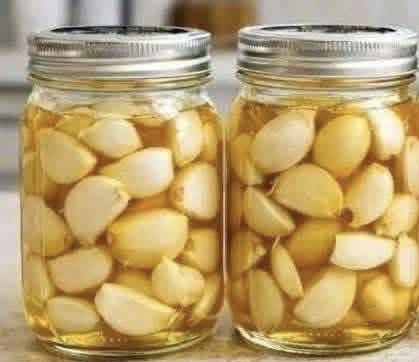
Fermented honey garlic is a traditional preparation made with just two ingredients: fresh garlic cloves and raw honey. Over time, the garlic releases moisture into the honey, creating a thinner, aromatic mixture with a mellow garlic flavor and a naturally sweet taste.
This simple recipe is popular in home kitchens because it requires very little preparation and can be used in marinades, salad dressings, sauces, and other savory dishes. The garlic develops a softer flavor as it sits in the honey, making it an interesting ingredient for people who enjoy homemade fermented foods.
However, garlic fermented in honey should be prepared carefully. Honey does not automatically make garlic safe to store at room temperature, and visible bubbles alone do not confirm that fermentation is safe. Follow a tested food-safety recipe rather than relying on appearance or smell.
Recipe Overview
| Detail | Information |
| Preparation Time | 15 minutes |
| Fermentation Time | Varies by tested method |
| Yield | 1 small glass jar |
| Main Ingredients | Fresh garlic and honey |
| Difficulty | Easy preparation |
| Recipe Type | Traditional food preparation |
| Suggested Uses | Marinades, sauces, and dressings |
Ingredients
| Ingredient | Quantity |
| Fresh garlic cloves, peeled | Enough for the chosen jar |
| Honey | As specified by a tested fermentation recipe |
Important: Use food-grade ingredients and a clean, food-safe container. Raw or unpasteurized honey is not automatically safer for fermentation, and using it does not eliminate the risk of harmful microorganisms.
Step-by-Step Preparation
Step 1: Prepare the Garlic
Separate the garlic bulbs into individual cloves and remove the papery skins.
Discard any cloves that are moldy, rotten, or badly damaged. Use fresh, sound garlic and follow the washing and preparation instructions in your tested recipe.
Step 2: Prepare the Jar
Choose a clean glass jar suitable for the fermentation method you are following.
Clean and sanitize the jar and any utensils according to the equipment manufacturer’s instructions and the tested recipe. Allow the equipment to drain and dry as directed.
Step 3: Add the Garlic and Honey
Place the prepared garlic into the jar, following the ingredient proportions and fill level specified in your tested recipe.
Add the honey as directed. Do not improvise the ingredient ratio or assume that completely covering garlic with honey makes the mixture safe for room-temperature storage.
Step 4: Follow the Correct Fermentation Method
Garlic is a low-acid food, and improperly prepared garlic stored in an oxygen-free environment can pose a risk of botulism, a rare but potentially life-threatening foodborne illness.
For that reason, do not rely on a loosely closed lid, daily turning, or a particular number of weeks as proof of safety. Use a reliable, tested preservation method from a recognized food-safety authority and follow its temperature, acidity, container, and storage instructions exactly.
Step 5: Check Before Use
Do not taste a batch to determine whether it is safe. Bubbles, a thinner honey consistency, and a milder garlic flavor do not establish that harmful microorganisms or toxins are absent.
Discard a preparation if you notice mold, unusual discoloration, or other signs of spoilage. However, remember that dangerous toxins may be present without visible warning signs.
How to Use Honey Garlic in Cooking
Marinades
If you have a safely prepared product, a small amount can add sweetness and garlic flavor to marinades for chicken, beef, or roasted vegetables.
Salad Dressings
Mix a little honey with olive oil, lemon juice, and seasonings to make a sweet-and-tangy dressing.
Sauces and Glazes
Honey garlic can contribute a sweet, savory flavor to sauces for roasted vegetables or grilled meats. Heat the mixture as appropriate for the dish.
Soups and Savory Dishes
A small amount may add depth to soups, stews, and sauces. Adjust the amount gradually because honey can make savory dishes sweeter.
Storage Instructions
Storage depends on the specific preparation method and its verified food-safety requirements. Do not assume that a homemade garlic-and-honey mixture is shelf-stable simply because it contains honey or has been left to bubble.
Use a tested recipe that clearly specifies safe storage conditions and follow those directions. If you cannot verify that a batch was prepared safely, do not consume it.
Common Mistakes to Avoid
Assuming raw honey prevents all harmful bacteria: Honey has properties that inhibit many microorganisms under certain conditions, but once fresh garlic is added, the mixture’s moisture and acidity change.
Using an arbitrary fermentation time: Two to four weeks is not a universal safety standard. Time alone cannot establish that a fermented garlic preparation is safe.
Relying on smell or appearance: Botulism toxin cannot reliably be detected by sight, smell, or taste. Never taste a questionable batch.
Storing an untested mixture at room temperature: Garlic in a moist, oxygen-limited environment can create conditions favorable to botulism toxin production if acidity and other safety controls are inadequate.
Giving honey to infants: Honey should never be given to children younger than 12 months because of the risk of infant botulism.
Frequently Asked Questions
What is fermented honey garlic?
It is a preparation combining garlic and honey. Depending on the method and conditions, microbial activity may occur, changing the mixture’s flavor and consistency.
Does fermented honey garlic boost immunity?
Garlic and honey are foods that contain various bioactive compounds, but there is insufficient evidence to conclude that homemade fermented honey garlic prevents infections or reliably strengthens the immune system.
Can fermented honey garlic cure a cold or flu?
No. It should not be considered a cure for colds, influenza, or other infections. Seek appropriate medical advice for persistent or severe symptoms.
Why does the honey become thinner?
Moisture from the garlic can dilute the honey, changing its consistency. This change does not prove that fermentation has proceeded safely.
Can I eat the garlic cloves as well as the honey?
Only if the preparation has been made using a verified safe method and has been stored according to its instructions. Both the cloves and the liquid may pose a risk if the batch was prepared incorrectly.
Is homemade fermented honey garlic safe for everyone?
Not necessarily. In addition to food-safety concerns, honey contains sugars, and people with diabetes or other dietary restrictions may need to account for it in their eating plan. Infants younger than 12 months must never consume honey.
Final Thoughts
Fermented honey garlic is an interesting traditional preparation that combines the distinctive taste of garlic with the sweetness of honey. When used in cooking, these ingredients can add flavor to marinades, dressings, sauces, and other dishes.
The most important part of this recipe is food safety. Homemade garlic preserved in honey should not automatically be considered safe for long-term storage at room temperature, and it should never be promoted as a proven medical remedy.
Medical and Food-Safety Disclaimer: This recipe is for general food information and is not medical advice. Garlic fermented or stored improperly can pose a risk of botulism, which can cause serious illness. Use a tested food-preservation method from a recognized food-safety authority. Never taste a potentially unsafe batch, and seek urgent medical care if symptoms suggest botulism, such as difficulty swallowing, blurred or double vision, drooping eyelids, or progressive muscle weakness.