
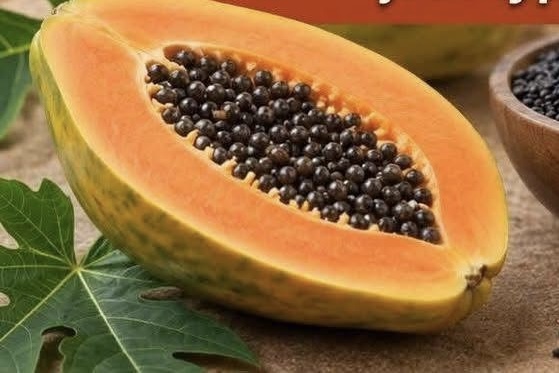
Introduction
Fresh papaya salad with papaya seed vinaigrette is a colorful tropical dish that combines the natural sweetness of ripe papaya with a tangy, slightly peppery dressing. Made with fresh fruit, olive oil, apple cider vinegar, and a touch of honey, this simple recipe offers a refreshing option for breakfast, a light snack, or a summer side dish.
Papaya seeds have a naturally sharp, pepper-like flavor that gives the vinaigrette a distinctive taste. However, claims that papaya seeds can cure diseases or eliminate parasites without medical treatment are not supported by sufficient clinical evidence. This recipe is intended as a culinary preparation, not a medical remedy.
Recipe Overview
| Detail | Information |
| Recipe Name | Fresh Papaya Salad with Papaya Seed Vinaigrette |
| Preparation Time | 15 minutes |
| Cooking Time | 0 minutes |
| Total Time | 15 minutes |
| Servings | 2–4 |
| Difficulty | Easy |
| Cuisine | Tropical-inspired |
| Main Ingredients | Papaya, papaya seeds, olive oil, apple cider vinegar |
| Cooking Method | No-cook |
| Flavor | Sweet, tangy, and peppery |
Why You’ll Love This Recipe
This fresh papaya salad is easy to prepare and requires no cooking. The ripe fruit provides a naturally sweet flavor, while the homemade vinaigrette adds acidity and a gentle peppery kick.
The recipe also offers a creative way to use a small amount of papaya seeds instead of automatically discarding them. Its bright colors and fresh ingredients make it a lovely addition to a summer lunch, tropical brunch, or light dinner.
Ingredients
For the Papaya Salad
| Ingredient | Quantity |
| Ripe papaya | 1 medium |
| Fresh lime juice | 1 teaspoon, optional |
| Fresh mint leaves | A few leaves, optional |
For the Papaya Seed Vinaigrette
| Ingredient | Quantity |
| Fresh papaya seeds | 2 teaspoons to 1 tablespoon |
| Apple cider vinegar | ¼ cup (60 ml) |
| Extra-virgin olive oil | ⅓ cup (80 ml) |
| Honey | 1 teaspoon |
| Salt | A small pinch |
| Water | 1–2 teaspoons, if needed |
Note: The original dressing uses 2 tablespoons of papaya seeds, but their strong flavor can overpower the fruit. Start with a smaller quantity and adjust to taste. Papaya seeds are not a proven treatment for any medical condition, and their safety in larger or medicinal amounts is not well established.
Step-by-Step Instructions
Step 1: Prepare the Papaya
Wash the outside of the papaya before cutting it. Slice the fruit in half lengthwise and scoop out the seeds.
Peel the papaya, cut the flesh into bite-sized cubes, and place the pieces in a serving bowl. Choose ripe papaya that feels slightly soft when gently pressed but is not mushy.
Step 2: Prepare the Papaya Seeds
If you plan to use the seeds in the dressing, rinse a small quantity under clean running water to remove the remaining fruit pulp.
Pat them dry with a clean paper towel. Because the seeds have a strong, peppery flavor, begin with a small amount.
Step 3: Blend the Vinaigrette
Place the papaya seeds, apple cider vinegar, olive oil, honey, and salt in a blender.
Blend until the dressing is emulsified and the seeds are finely crushed. Add a teaspoon of water if the mixture is too thick.
Taste a small amount and adjust the balance with a little more honey or vinegar if necessary.
Step 4: Assemble the Salad
Arrange the papaya cubes in a serving bowl or divide them between individual plates.
Add a few fresh mint leaves for a cooling aroma, or sprinkle with a little lime juice to brighten the fruit’s flavor.
Step 5: Add the Dressing
Drizzle a small amount of the papaya seed vinaigrette over the fruit just before serving.
Start with a light coating so the dressing does not overpower the papaya’s natural sweetness. Serve immediately for the freshest flavor and best texture.
Best Tips
Choose ripe, fragrant papaya for the sweetest flavor. If the fruit is very soft, cut it carefully and avoid stirring too vigorously.
Blend the dressing thoroughly to distribute the crushed seeds throughout the oil and vinegar. If you prefer a milder flavor, use fewer seeds or prepare a simple honey-lime vinaigrette instead.
For the best presentation, chill the papaya before assembling the salad, but add the dressing only when you are ready to serve.
Best Ingredient Options
| Ingredient | Alternative |
| Ripe papaya | Fresh mango |
| Apple cider vinegar | White wine vinegar |
| Extra-virgin olive oil | Avocado oil |
| Honey | Maple syrup |
| Fresh mint | Fresh basil |
| Papaya seed dressing | Honey-lime vinaigrette without seeds |
For a seed-free version, combine olive oil, lime juice, a little honey, and a pinch of salt. This creates a refreshing dressing without the strong flavor of papaya seeds.
Recipe Variations
Tropical Papaya Salad: Add diced mango and fresh pineapple for a sweeter combination of tropical fruits.
Papaya and Avocado Salad: Add sliced avocado for a creamy texture and a more substantial side dish.
Citrus Papaya Salad: Replace the vinegar dressing with fresh lime juice, a small amount of honey, and olive oil.
Mint and Lime Papaya Bowl: Toss the papaya cubes with fresh mint and lime juice for a simple, refreshing fruit salad without a blended dressing.
What to Serve With
Serve this papaya salad alongside grilled chicken, baked fish, or a light rice dish. It also pairs well with whole-grain toast, yogurt, or other fresh fruit for a simple breakfast.
For a tropical-inspired lunch, combine it with leafy greens, cucumber, and avocado. If serving it as a side dish, keep the dressing light so the natural sweetness of the papaya remains the main flavor.
Make-Ahead Instructions
You can prepare the papaya in advance by cutting it into cubes and storing it in an airtight container in the refrigerator.
For the best flavor and texture, prepare the vinaigrette shortly before serving. Keep the fruit and dressing separate until you are ready to eat.
Storage
Store cut papaya in a clean, covered container in the refrigerator and consume it within approximately 2–3 days for the best quality.
If you prepare the dressing with fresh papaya seeds, refrigerate it promptly in a sealed container and use it within 2–3 days. Shake or stir well before serving because the oil and vinegar may separate.
Discard the salad or dressing if it develops an unusual smell, appearance, or texture. Do not leave the prepared salad at room temperature for extended periods.
Reheating
This is a no-cook salad and should be served cold. Reheating is unnecessary and would soften the papaya and affect the fresh flavor of the dressing.
Freezing
Freezing is not recommended for the finished salad because thawed papaya becomes soft and watery.
If necessary, peeled papaya cubes can be frozen separately for later use in smoothies. Thawed fruit is better suited to blended drinks than fresh salads.
Common Mistakes to Avoid
Using unripe papaya can make the salad less sweet and more difficult to enjoy. Choose fruit that is ripe but still firm enough to hold its shape.
Adding too many papaya seeds can make the dressing excessively peppery and bitter. Start with a small amount and taste before adding more.
Another mistake is assuming that papaya seeds have proven medicinal benefits. Eating a food does not replace diagnosis or treatment, and the safety of consuming large quantities of papaya seeds has not been adequately established.
Nutrition Estimate
The following values are approximate per serving, assuming four servings and that the dressing is divided evenly.
| Nutrient | Approximate Amount |
| Calories | 150–190 kcal |
| Carbohydrates | 12–16 g |
| Sugars | 9–12 g |
| Fat | 11–15 g |
| Protein | 1–2 g |
| Fiber | 2–3 g |
| Vitamin C | Varies by papaya size |
Actual values depend on the size and ripeness of the papaya, the quantity of dressing consumed, and the amount of oil used.
Frequently Asked Questions
Can papaya seeds cure diseases?
There is insufficient reliable clinical evidence to establish that papaya seeds cure diseases or replace medical treatment. They should not be promoted as a proven remedy for parasites, cancer, digestive disorders, or other medical conditions.
Do papaya seeds taste like black pepper?
Papaya seeds have a sharp, peppery flavor with a slightly bitter finish. Their taste is more intense than the mild sweetness of the papaya flesh, which is why a small quantity is preferable in a dressing.
Can I eat papaya seeds every day?
The safety of regular consumption in medicinal or large quantities has not been established adequately. If you choose to use the seeds as a food ingredient, keep the amount modest and seek professional advice if you are pregnant, breastfeeding, taking medication, or managing a medical condition.
Can I make the recipe without papaya seeds?
Yes. A dressing made with olive oil, lime juice, honey, and a pinch of salt works beautifully with fresh papaya and offers a milder flavor.
Is this salad good for a healthy diet?
Fresh papaya provides fiber and vitamin C, while olive oil contributes unsaturated fats. This salad can fit into a balanced eating pattern, but its nutritional value depends on the portion size and dressing ingredients.
Can I use green papaya instead of ripe papaya?
Yes, but green papaya has a firmer texture and a less sweet flavor. It is more commonly used in savory salads and may require a different dressing, such as lime juice, a little honey, and olive oil.
Is this recipe suitable for everyone?
Not necessarily. People with papaya allergies should avoid the fruit and its seeds. Anyone who is pregnant, breastfeeding, taking medication, or managing a health condition should consult a qualified healthcare professional if uncertain about consuming papaya seeds.
Final Thoughts
Fresh papaya salad with papaya seed vinaigrette is a colorful, easy-to-make dish that combines sweet fruit with a tangy, peppery dressing. It is suitable as a light snack, a tropical side dish, or part of a balanced meal.
For a gentler flavor, use a small quantity of seeds or choose a simple honey-lime dressing instead. Most importantly, enjoy papaya as food rather than as a supposed cure for medical conditions.
Medical Disclaimer: This recipe is intended for culinary use only. Papaya seeds have not been established as a treatment for disease, and consuming them in large quantities may not be safe. Consult a healthcare professional about medical concerns or treatment decisions.
⚠️ This recipe may not be suitable for everyone, so it is advisable to consult a doctor.