
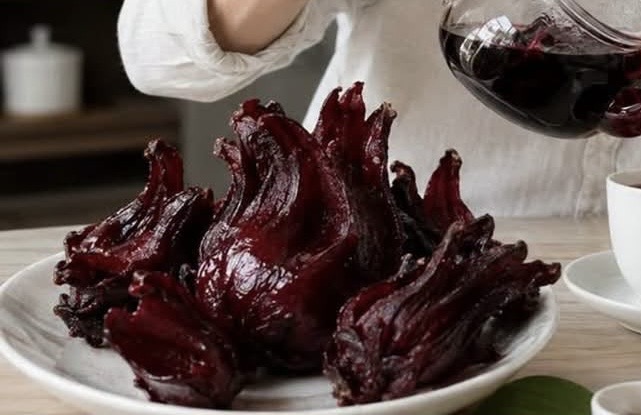
This Traditional Hibiscus Tea, also known as Bissap or Agua de Jamaica, is a refreshing drink made from dried hibiscus flowers steeped in hot water. It has a beautiful deep ruby-red color and a naturally tart, fruity flavor that tastes a little like cranberries.
Popular in many parts of Africa, the Caribbean, and Latin America, hibiscus tea can be enjoyed hot or cold. A little honey or sugar balances its natural tanginess, while cinnamon, ginger, or fresh mint adds extra flavor.
This easy homemade recipe requires only a few simple ingredients and is perfect for warm afternoons, family gatherings, or whenever you want a refreshing drink.
Recipe Overview
| Detail | Information |
| Prep Time | 5 minutes |
| Steeping Time | 15–20 minutes |
| Total Time | 25 minutes, plus cooling time |
| Servings | 8 |
| Yield | Approximately 2 liters |
| Course | Beverage |
| Cuisine | African, Caribbean, Latin American |
| Flavor | Tart, fruity, lightly floral |
| Difficulty | Easy |
| Serving Temperature | Hot or iced |
Why You’ll Love This Recipe
Beautiful natural color: Dried hibiscus flowers create a gorgeous ruby-red infusion without artificial coloring.
Simple ingredients: You only need dried hibiscus, water, and your preferred sweetener.
Easy to customize: Adjust the sweetness or add ginger, cinnamon, lime, or mint to create your favorite flavor combination.
Hot or cold: Enjoy a warm cup during cooler weather or serve it over ice for a refreshing summer drink.
Perfect for preparing ahead: Make a large batch, refrigerate it, and enjoy a chilled glass whenever you like.
Ingredients
Main Ingredients
| Ingredient | Quantity | Notes |
| Dried hibiscus flowers | 2 cups | Use food-grade dried hibiscus calyces |
| Water | 2 liters (about 8 cups) | Fresh drinking water |
| Honey, agave syrup, or sugar | 4–8 tablespoons | Adjust to taste |
Optional Flavor Additions
| Ingredient | Quantity | Purpose |
| Cinnamon stick | 1 | Adds warm, aromatic flavor |
| Fresh ginger | 1 small piece, crushed | Adds a gentle spicy note |
| Fresh mint leaves | A few leaves | Adds freshness |
| Lime | 1, sliced | Adds a bright citrus flavor |
Step-by-Step Instructions
Step 1: Boil the Water
Pour 2 liters of water into a large saucepan and bring it to a boil over medium-high heat.
If you’re using cinnamon or fresh ginger, add them to the water while it heats. This allows their flavors to infuse into the liquid.
Step 2: Add the Hibiscus Flowers
Once the water reaches a boil, turn off the heat. Add the dried hibiscus flowers and stir gently to make sure they are submerged.
The flowers will begin releasing their beautiful red color almost immediately.
Step 3: Let the Tea Steep
Cover the saucepan and allow the hibiscus flowers to steep for 15–20 minutes.
For a stronger, more intense flavor, you can let the infusion steep a little longer. Avoid excessive steeping if you prefer a milder taste.
Step 4: Strain the Tea
Place a fine-mesh strainer over a large heatproof pitcher or bowl. Carefully pour the infusion through the strainer to remove the hibiscus flowers, ginger, and cinnamon.
Discard the used flowers and spices.
Step 5: Sweeten the Infusion
While the tea is still warm, add 4–8 tablespoons of honey, agave syrup, or sugar.
Stir until the sweetener dissolves completely. Start with a smaller amount and add more according to your taste.
Step 6: Serve Hot or Iced
For hot hibiscus tea: Pour the warm infusion into cups and enjoy immediately.
For iced hibiscus tea: Allow the tea to cool, refrigerate until chilled, and serve over ice. Garnish with fresh mint leaves or a slice of lime if desired.
Best Tips for Perfect Hibiscus Tea
Use good-quality dried flowers. Choose food-grade hibiscus calyces with a rich red color and a fresh, slightly fruity aroma.
Adjust the steeping time. Fifteen to twenty minutes produces a flavorful infusion. A shorter steep creates a milder drink, while a longer steep can produce a stronger, more tart flavor.
Sweeten gradually. Hibiscus has a naturally tangy taste, so start with 4 tablespoons of sweetener and increase it until the flavor is balanced.
Don’t boil the flowers for too long. Turning off the heat before adding the hibiscus helps create a pleasant infusion without unnecessary prolonged cooking.
Chill before serving. For the best iced hibiscus tea, refrigerate it until completely cold before pouring it over ice.
Use fresh garnishes. Lime slices and mint leaves add a refreshing aroma and make the drink especially attractive when serving guests.
Best Ingredient Options
Dried hibiscus flowers: Look for food-grade dried hibiscus, often sold as roselle or hibiscus sabdariffa. Avoid ornamental flowers that are not intended for consumption.
Honey: Adds a gentle sweetness and a distinctive flavor. It is a good option if you prefer something other than white sugar.
Agave syrup: Dissolves easily and has a mild taste that doesn’t overpower the hibiscus.
Sugar: Regular granulated sugar is a traditional and inexpensive choice. You can also use brown sugar for a slightly deeper flavor.
Fresh ginger: Adds warmth and a little spice. Use a small amount so it doesn’t overpower the floral, fruity notes.
Cinnamon: Gives the tea a warm aroma and pairs beautifully with hibiscus.
Recipe Variations
Classic West African Bissap: Prepare the hibiscus infusion with water and sweetener, then add fresh mint or a little pineapple juice for a refreshing variation.
Ginger Hibiscus Tea: Add extra crushed fresh ginger during the boiling stage for a stronger, spicier flavor.
Cinnamon Hibiscus Tea: Steep one cinnamon stick with the water for a warm, aromatic drink.
Hibiscus Mint Cooler: Add fresh mint leaves after straining and chill the tea before serving.
Hibiscus Lime Tea: Add fresh lime juice after the infusion has cooled. The citrus adds brightness and balances the tart flavor.
Naturally Unsweetened Hibiscus Tea: Skip the honey and sugar entirely for a sharper, more tart drink.
Pineapple Hibiscus Drink: Stir in a little pineapple juice after the tea has cooled for a tropical twist.
What to Serve With Hibiscus Tea
Fresh fruit: Watermelon, pineapple, oranges, and berries complement the fruity flavor of hibiscus.
Light pastries: Serve it with croissants, muffins, or simple butter cookies for an afternoon treat.
Grilled foods: Its tart flavor pairs nicely with grilled chicken, fish, and other savory dishes.
Moroccan-inspired snacks: Enjoy a chilled glass with homemade pastries, dates, or light savory appetizers.
Summer desserts: Hibiscus tea is delicious alongside fruit salads, lemon cake, or vanilla desserts.
Make-Ahead Instructions
Hibiscus tea is an excellent make-ahead beverage because its flavor holds up well after refrigeration.
Prepare the infusion according to the instructions, strain it, and add your preferred sweetener. Allow it to cool before transferring it to a clean, covered pitcher.
Refrigerate until ready to serve. You can prepare it up to a day ahead for convenient entertaining or everyday enjoyment.
For the freshest presentation, add mint leaves and lime slices just before serving.
Storage
Store leftover hibiscus tea in a clean, airtight pitcher or bottle in the refrigerator.
| Storage Method | Recommended Storage Time |
| Refrigerator | 3–4 days |
| Room Temperature | Do not leave out for more than 2 hours |
| Freezer | Up to 2 months for best quality |
Keep the tea refrigerated and avoid leaving it uncovered, as it can absorb odors from other foods.
Reheating
Stovetop: Pour the desired amount into a small saucepan and warm gently over low heat. Avoid bringing it to a rolling boil.
Microwave: Pour into a microwave-safe mug and heat in short intervals until it reaches your preferred temperature.
If you originally prepared the tea as an iced drink, you can also enjoy it cold without reheating.
Freezing Instructions
Hibiscus tea can be frozen for later use.
Allow the infusion to cool completely, then pour it into freezer-safe containers, leaving some space at the top for expansion.
You can also freeze it in ice cube trays. Hibiscus ice cubes are perfect for cooling future glasses of tea without diluting the flavor as quickly as regular ice.
Thaw frozen tea in the refrigerator and stir before serving.
Common Mistakes to Avoid
Using ornamental hibiscus flowers: Not every decorative hibiscus plant is intended for consumption. Always choose food-grade dried hibiscus.
Adding too much sweetener: Hibiscus is naturally tart, but too much sugar or honey can overpower its fruity flavor. Add sweetener gradually.
Steeping for too little time: A very short steep may produce a weak infusion with a lighter color. Allow 15–20 minutes for a more developed flavor.
Boiling the flowers continuously: Prolonged boiling is unnecessary for this recipe. Turn off the heat before adding the dried flowers.
Forgetting to strain the tea: Leaving the flowers in the liquid can make the flavor stronger over time. Strain after steeping.
Adding ice before the tea cools: Hot tea melts ice quickly and can make the drink watery. Cool it first for a better iced beverage.
Nutrition Estimate
Approximate values per serving, assuming 8 servings and 4 tablespoons of honey. Values will vary depending on the sweetener used.
| Nutrient | Approximate Amount |
| Calories | 35 kcal |
| Carbohydrates | 9 g |
| Protein | 0 g |
| Total Fat | 0 g |
| Saturated Fat | 0 g |
| Fiber | 0 g |
| Sugar | 9 g |
| Sodium | 5 mg |
These estimates are for the prepared drink, not the discarded hibiscus flowers.
Frequently Asked Questions
What is hibiscus tea called in different countries?
It is commonly called Bissap in parts of West Africa and Agua de Jamaica in Mexico and other Latin American communities. It is also known as roselle tea.
Does hibiscus tea taste sweet or sour?
Hibiscus tea has a naturally tart, fruity flavor similar to cranberries. Adding honey, agave, or sugar makes it sweeter and balances its acidity.
Can I drink hibiscus tea every day?
Many people enjoy hibiscus tea as part of their regular beverage choices. However, it may not be suitable for everyone. It can affect blood pressure, and people taking blood-pressure medication or other relevant medicines should ask a healthcare professional before drinking it regularly. Pregnant or breastfeeding individuals should also seek medical advice.
Can I make hibiscus tea without sugar?
Absolutely! The infusion tastes delicious without added sweetener if you enjoy its naturally tart flavor.
Can I use fresh hibiscus flowers instead of dried ones?
Yes, provided they are an edible hibiscus variety and have not been treated with pesticides or chemicals unsuitable for food. The amount and steeping time may need adjustment.
Why is my hibiscus tea too sour?
It may have steeped too long or contain a strong concentration of flowers. Dilute it with a little water or add more sweetener to balance the flavor.
Can I drink hibiscus tea cold?
Yes! It is especially refreshing when chilled and served over ice with lime slices or fresh mint.
Can I add lemon instead of lime?
Yes. Fresh lemon juice works beautifully and gives the infusion a slightly different citrus flavor.
Final Thoughts
This Traditional Hibiscus Tea, or Bissap, is a simple, colorful, and refreshing homemade drink that is easy to prepare with just a few ingredients. Its beautiful ruby-red color and naturally fruity, tangy taste make it delicious both hot and cold.
Customize it with honey, ginger, cinnamon, mint, or lime to create your favorite version. Make a large pitcher, refrigerate it, and enjoy a refreshing glass whenever you want something flavorful and homemade!
⚠️ This recipe may not be suitable for everyone, so it is advisable to consult a doctor.